

Japan offers some of the world’s most thrilling racetracks to experience in person, whether you just spectate or grab the wheel yourself. From high-speed straights to drift arenas to time-attack temples, these venues combine motorsport history, fan access, and pure adrenaline.
If you want to explore some of Japan’s best racetracks, here are six must-visit locations, each offering unique features and experiences.
Fuji Speedway: Racing at the Foot of Mount Fuji
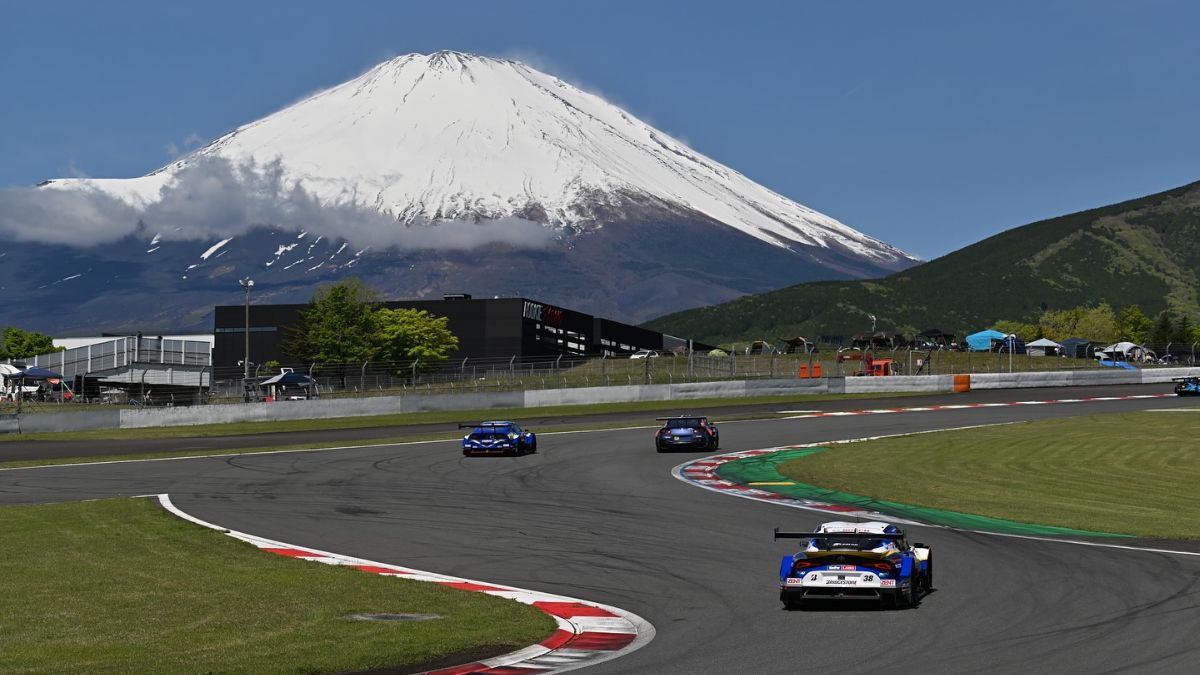
Located in Oyama, Fuji Speedway presents a dramatic backdrop with Mount Fuji behind the circuit. The track is 2.8 miles long with 16 turns and one of the longest straights in motorsport history at 0.9 miles.
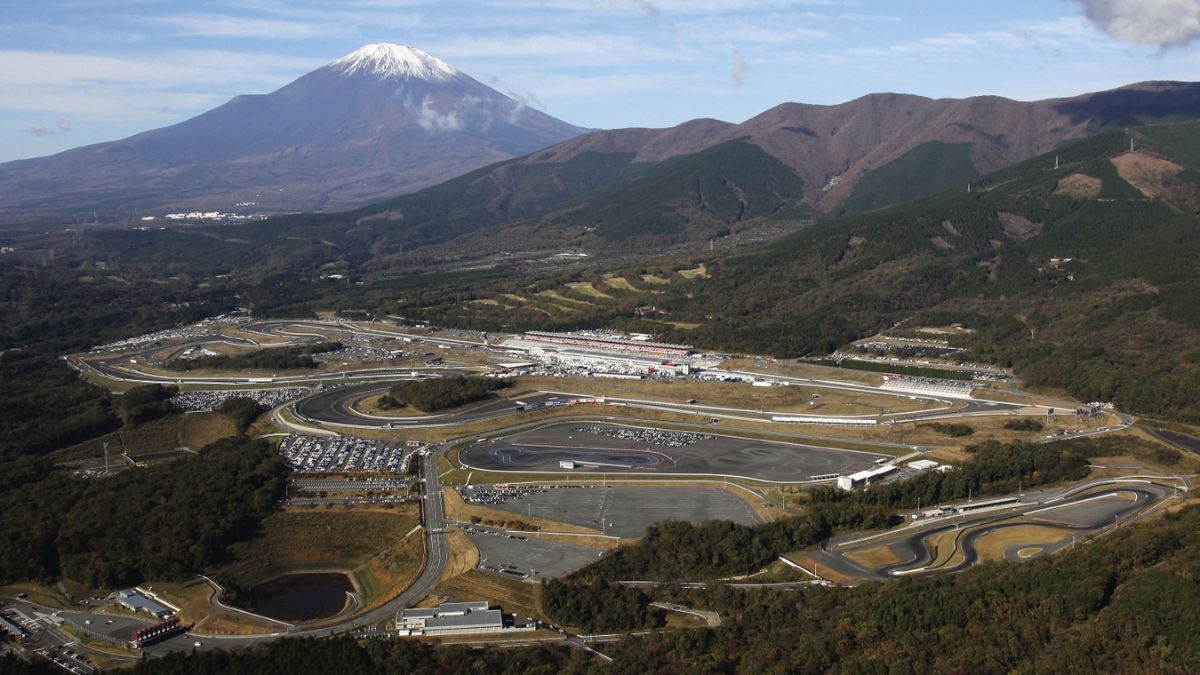
The facility opened in 1965 and underwent a major redesign in 2005 by Hermann Tilke when it was modernized under Toyota’s ownership. Fuji has hosted the Japanese Grand Prix and the FIA WEC endurance rounds, making it a historic location.
Visitors can explore more than just the racing action. The Fuji Motorsports Museum offers exhibitions on legendary cars and races, and the “Motorsports Village” hotel allows enthusiasts to stay nearby.
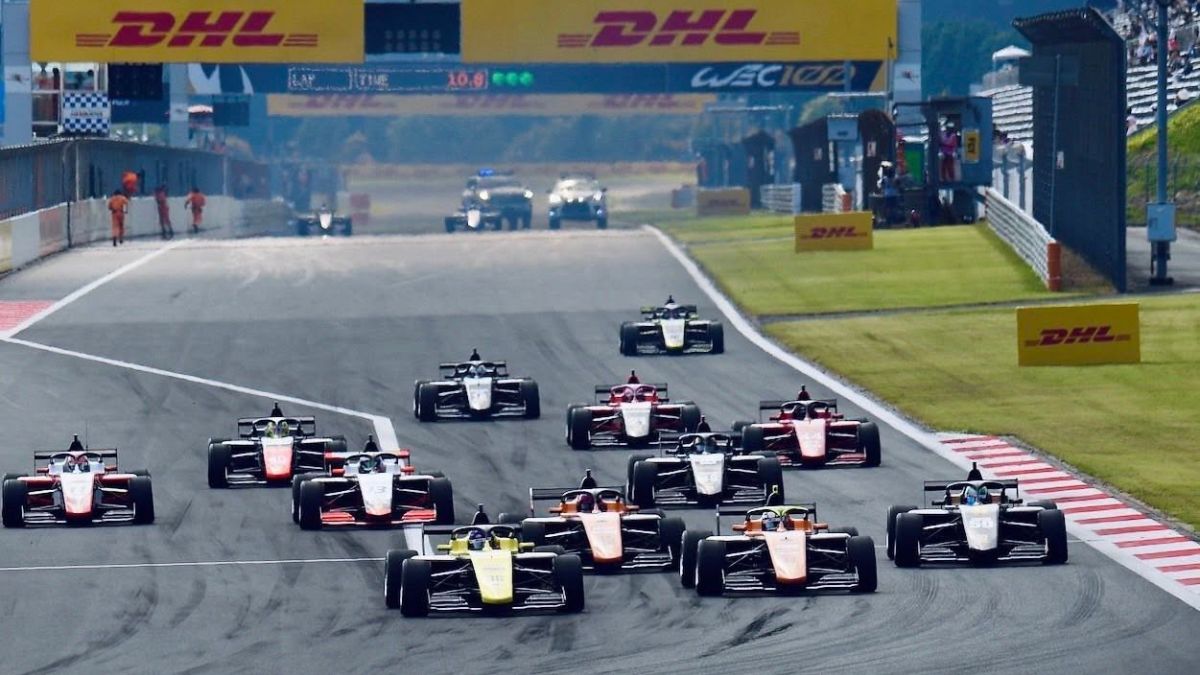
Driving programs and track-day rentals let visitors experience the track first-hand. Fuji’s long, straight, and sweeping corners make it perfect for recording high-speed laps or covering car testing events for content.
Suzuka Circuit: The Figure-Eight Technical Test
Suzuka Circuit in Suzuka is one of Japan’s most technically demanding racetracks. Measuring 3.6 miles with 18 turns, its figure-eight layout crosses over itself via an overpass, challenging car balance, driver skill, and vehicle setup.
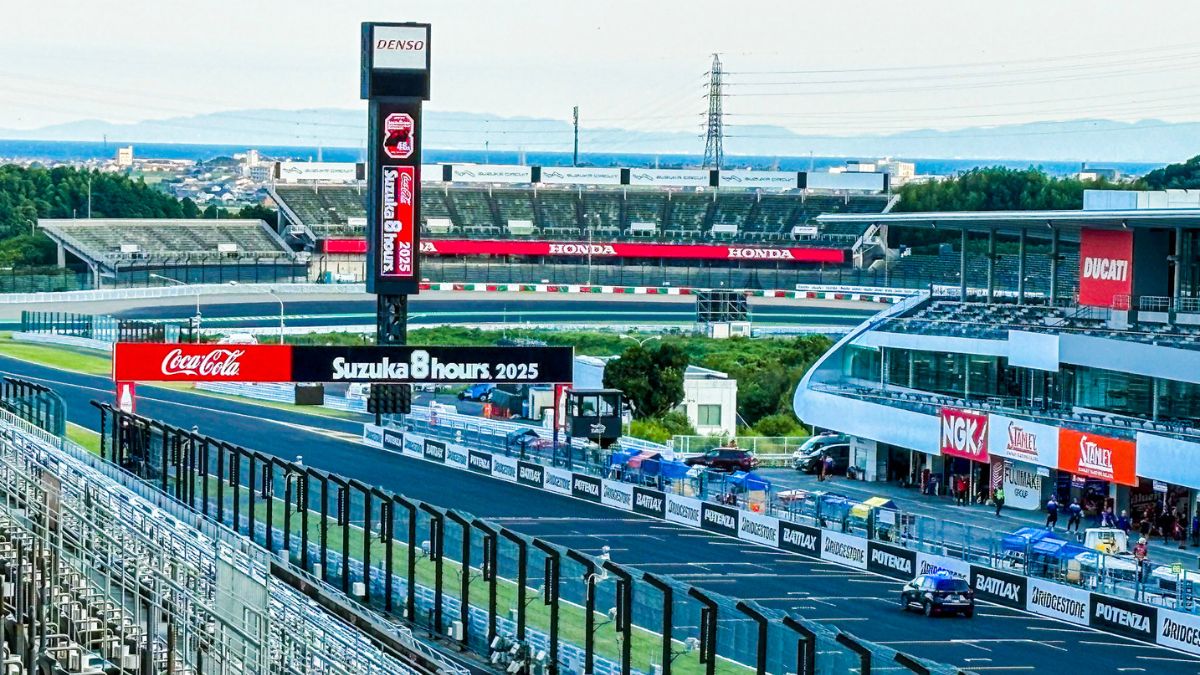
Key sections such as the S Curves, Degner Curve, and high-speed 130R have earned it a legendary reputation among drivers and fans.
The track hosts Formula 1, Super GT, and various other motorsport events. Visitors can participate in corporate or public track events, including test drives and go-karting.
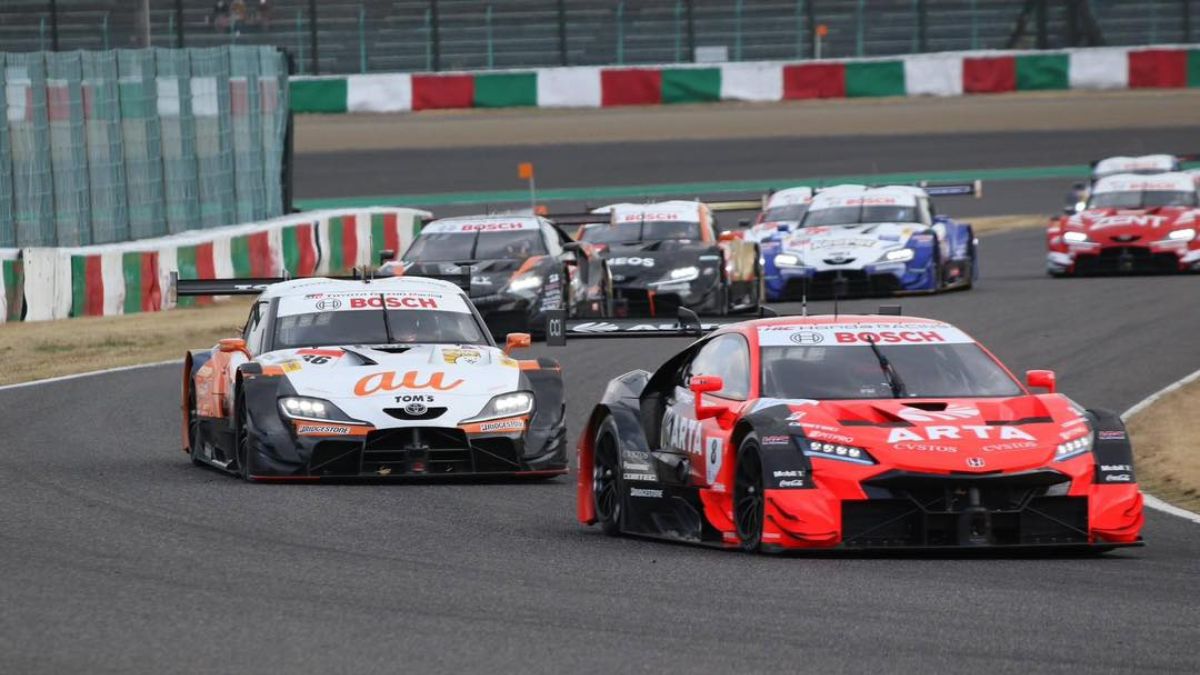
Suzuka offers an immersive experience for content creators to highlight handling challenges, track culture, and behind-the-scenes access to paddocks and grandstands.
Ebisu Circuit: The Drift Mecca
Ebisu Circuit in Fukushima is internationally famous for drifting. The complex features seven main tracks plus two skid pads called Kuru-Kuru Land.
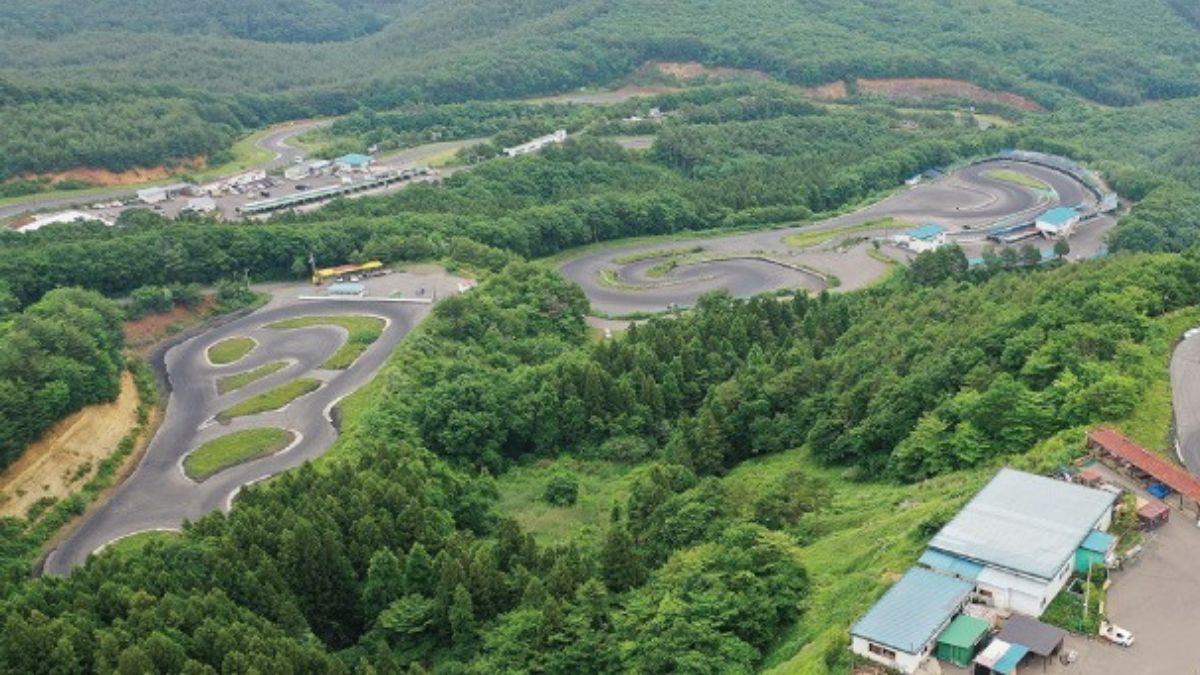
The South and Touge courses are favorites for professional events, including the D1 Grand Prix. The track hosts Drift Matsuri three times a year, opening multiple courses for continuous drifting.
Drift enthusiasts can rent cars, participate in public drift sessions, or ride in a drift taxi with professional drivers. The facility includes garages, vending machines, and cafes, making it easy to spend a full day at the circuit.
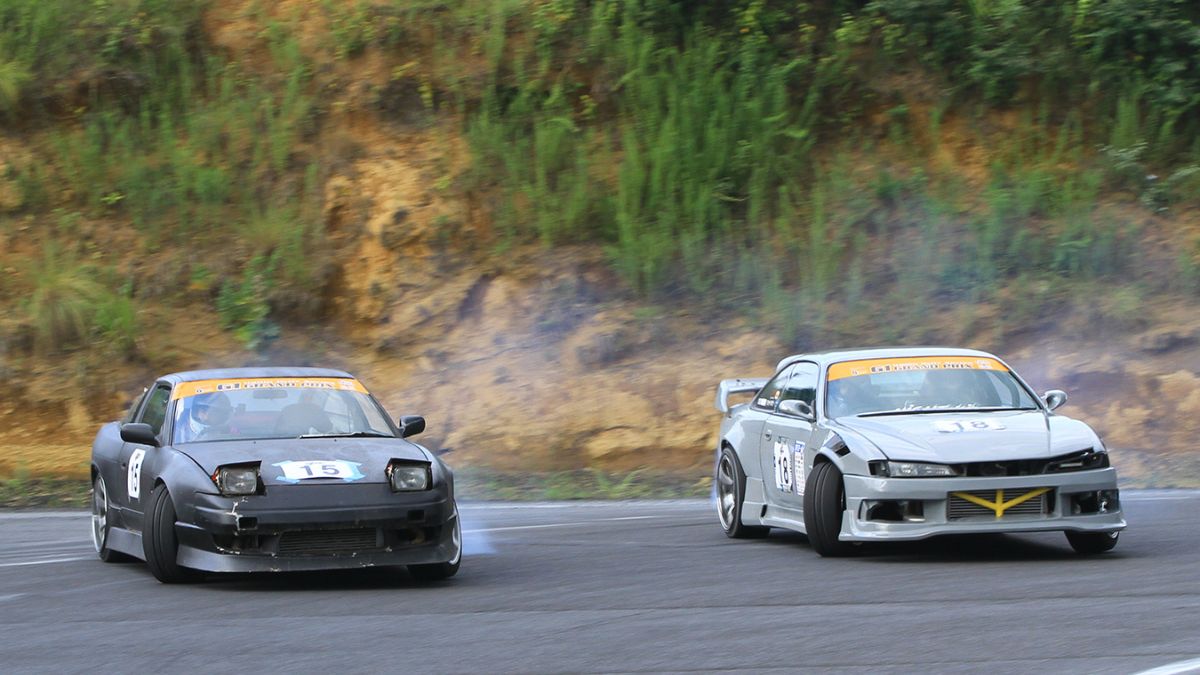
Ebisu provides ample content opportunities for showcasing drift culture, car builds, and festival-style events that resonate with the import car scene.
Tsukuba Circuit: Home of Time Attack Near Tokyo
Tsukuba Circuit, located near Tokyo, is a compact but legendary venue for tuners and time-attack enthusiasts.
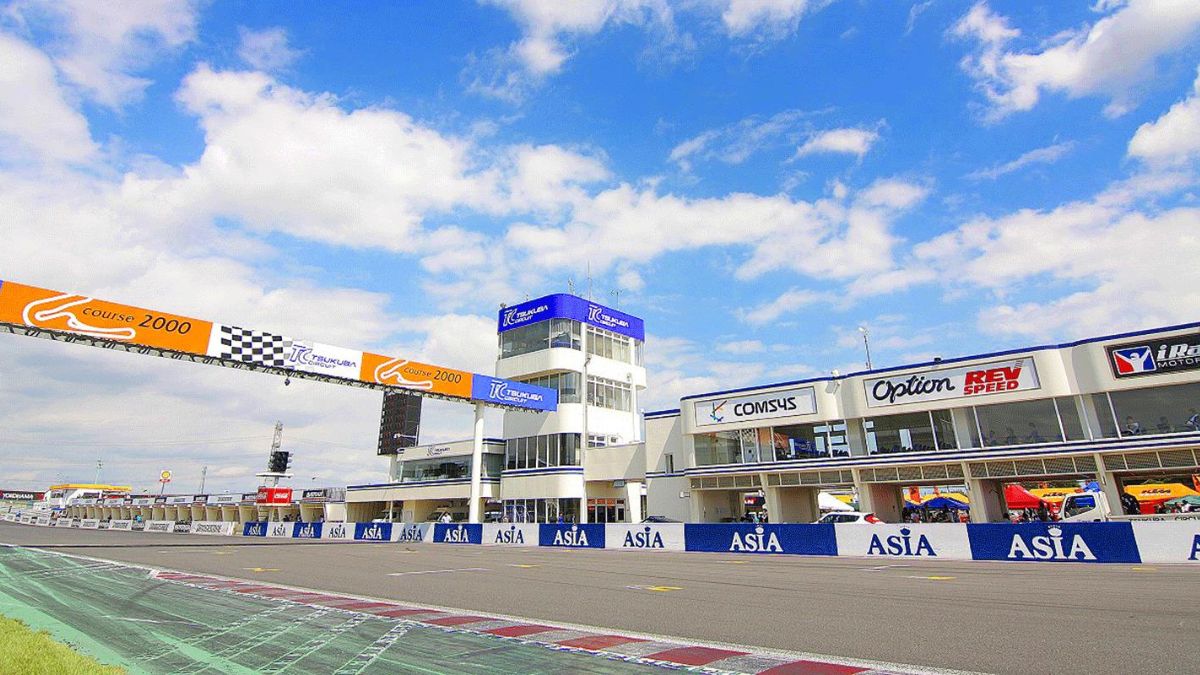
Course 2000 measures 1.27 miles with 14 turns, while Course 1000 is approximately 0.6 miles long. The layout features hairpins, wide turns, and fast curves, creating the perfect mix for competitive lap times.
Events like the Rev Speed Super Lap Battle attract professional and amateur drivers alike. Track days allow visitors to rent or test cars, film POV laps, or observe top builds in action.
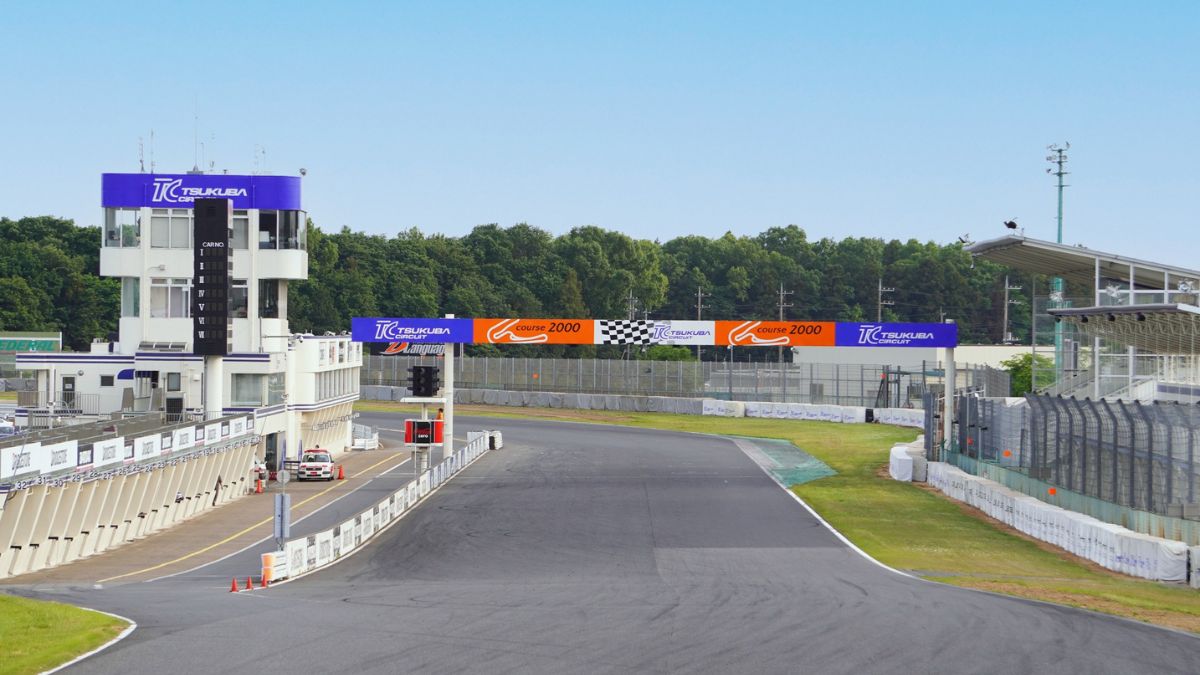
Tsukuba’s proximity to Tokyo makes it easy for fans to visit, and it provides rich material for content focused on tuner culture, time attack setups, and racing strategy.
Sportsland Sugo: Elevation & Speed in the North
Sportsland SUGO in Murata features a 2.3-mile international car course with elevation changes of nearly 230 feet per lap. The layout combines high-speed corners, downhill sections, and technical entry and exit points.
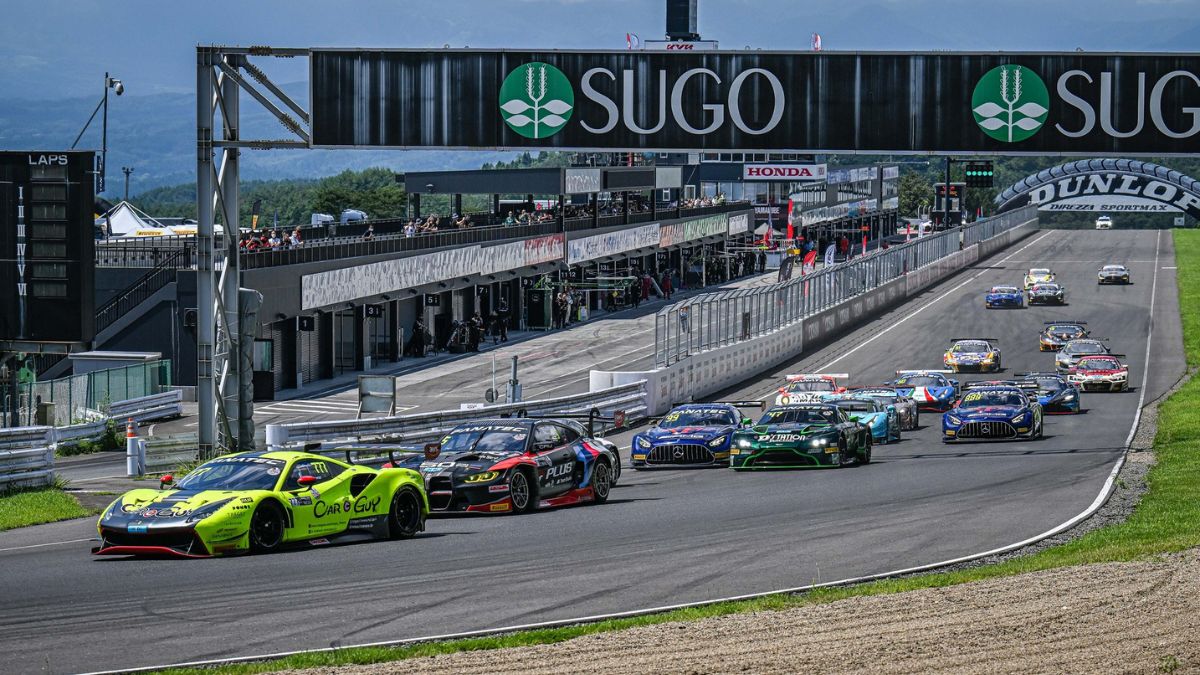
SUGO hosts Super GT, Super Formula, Formula Drift Japan, and track day events, making it a central hub for motorsport in northern Japan.
The facility also has motocross, trials, and go-kart tracks, as well as hotels and spectator areas. Visitors can experience high-speed driving or attend drift events.
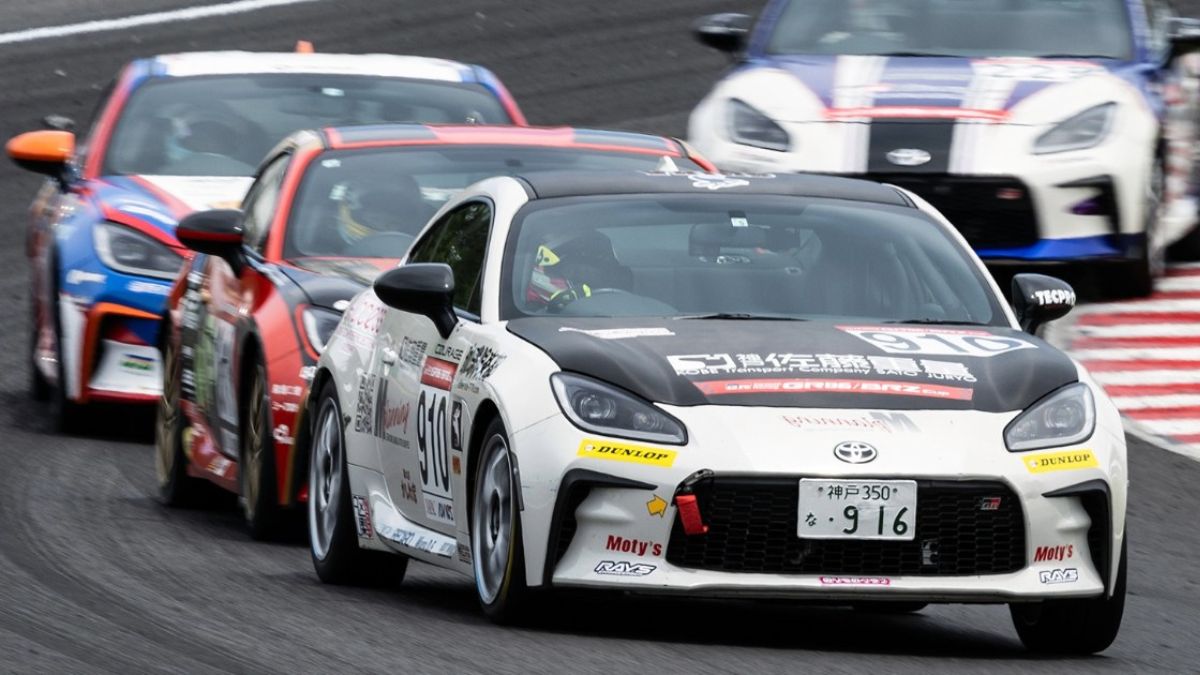
Sugo offers unique angles for content creation, including elevation challenges, drift techniques, and vehicle setup comparisons for JDM and import builds.
Okayama International Circuit: Motorsport History & All-Round Fun
Okayama International Circuit in Mimasaka, formerly TI Circuit Aida, is 2.3 miles long and has hosted events like the Formula One Pacific Grand Prix in 1994 and 1995.
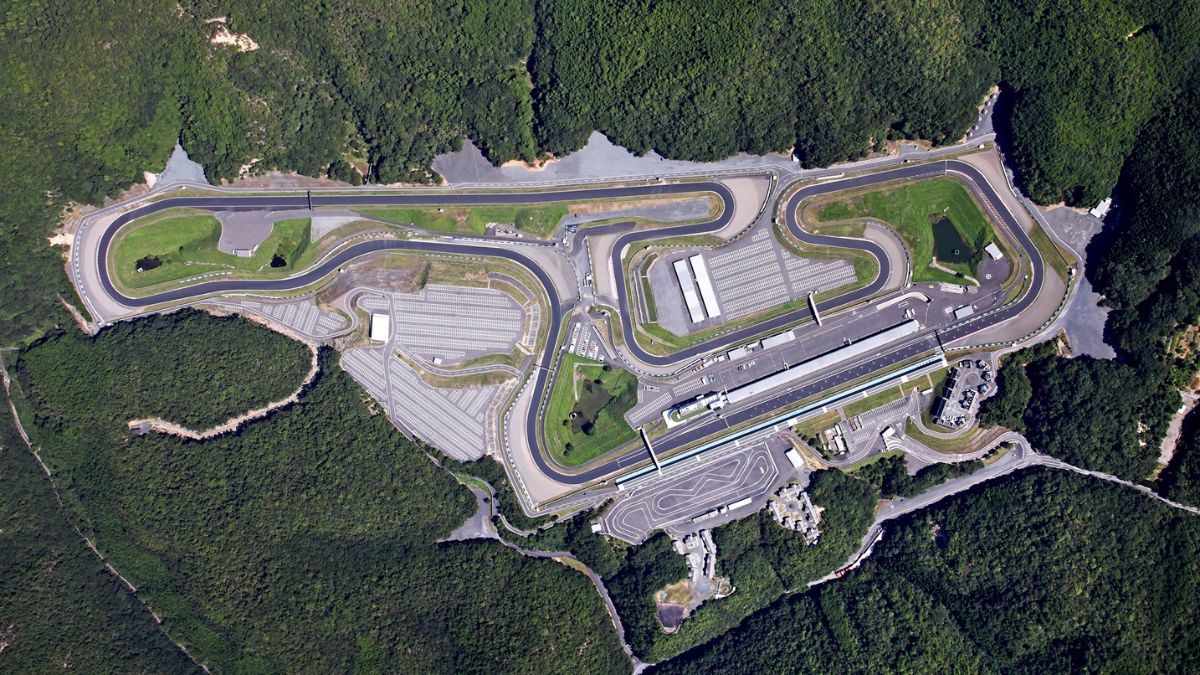
Its layout combines technical infield sections with sweeping corners, making it a versatile track for both grip and drift events.
The circuit hosts club track days, Formula Drift Japan, and domestic racing series. Guests can practice drifting, run their first track day, attend events, or film laps in high-performance vehicles.
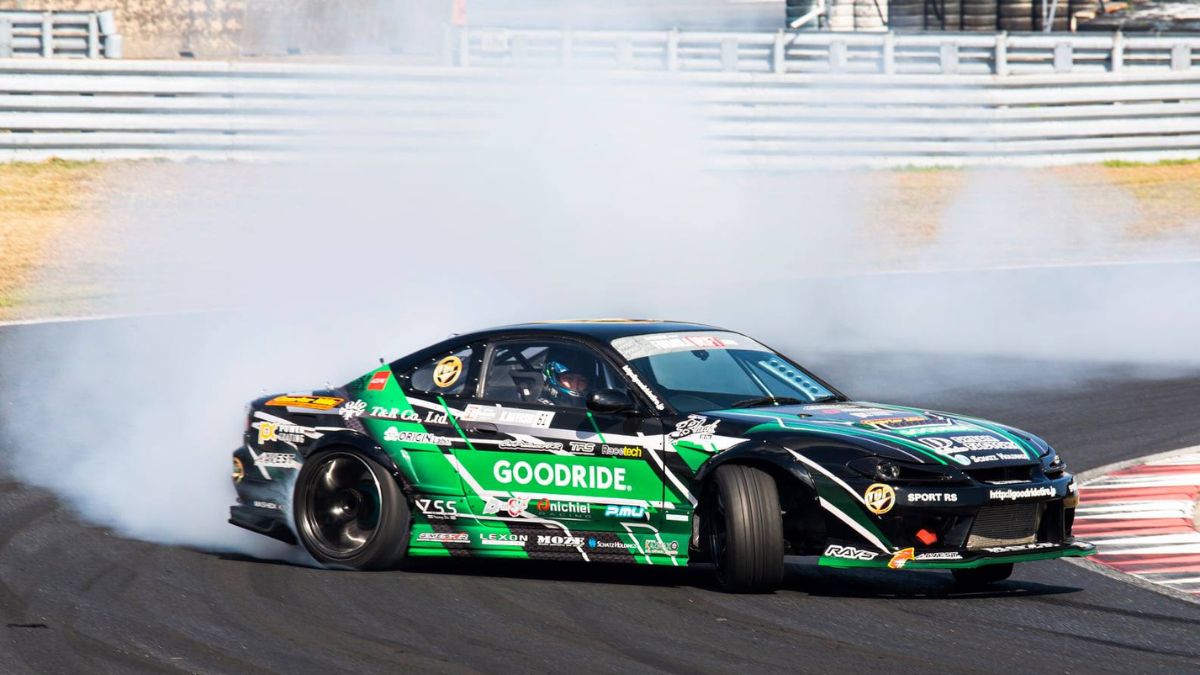
Okayama’s history and modern offerings provide an engaging way to explore the evolution of Japanese motorsport and document driving experiences for content.
Drive, Drift, and Discover Japanese Motorsport
Plan ahead by checking each track’s calendar for public driving days, drift events, and track rentals. Many circuits require reservations or fees for track use. Accessibility varies, with some venues near cities and others in remote areas.
Accommodations and transport logistics should be considered for a comfortable visit. Each track offers unique content opportunities, from drift culture at Ebisu to high-speed testing at Fuji and Suzuka, all perfect for articles and videos focused on JDM and import car enthusiasts.
Visiting these six circuits: Fuji Speedway, Suzuka Circuit, Ebisu Circuit, Tsukuba Circuit, Sportsland Sugo, and Okayama International Circuit provides a broad look at Japan’s motorsport culture.

Submit a Tip or Correction
If you spotted an error in one of our stories or want to share additional details, we’d love to hear from you. RōdoHouse also welcomes brands, photographers, and creators interested in partnerships or collaborations.
Contact