

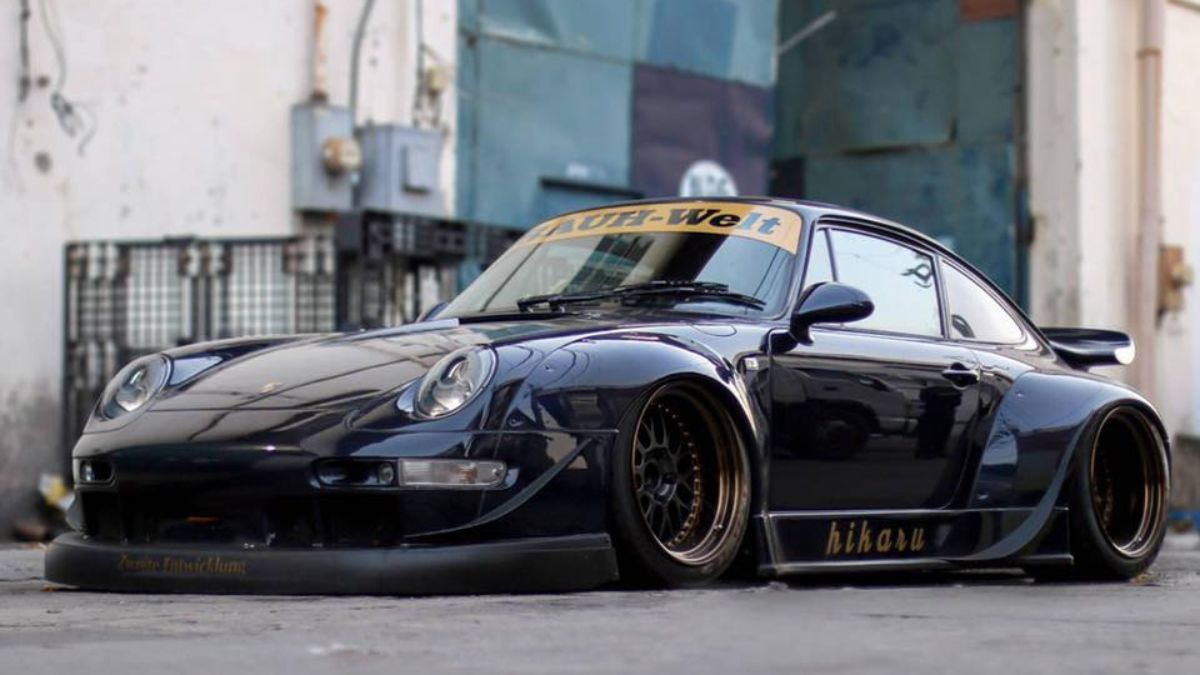
The internet has found a new villain, and it’s not who you’d expect. RWB, once the holy grail of car culture, is now the target of online hate. Scroll through any post and the comments are brutal.
But behind the noise and memes lies a deeper story — one that most of these young JDM fans don’t really understand yet.
A Glimpse Into The Current Rough World
RAUH-Welt BEGRIFF translates from German to “Rough World Concept.” It’s more than a name, it’s a philosophy.
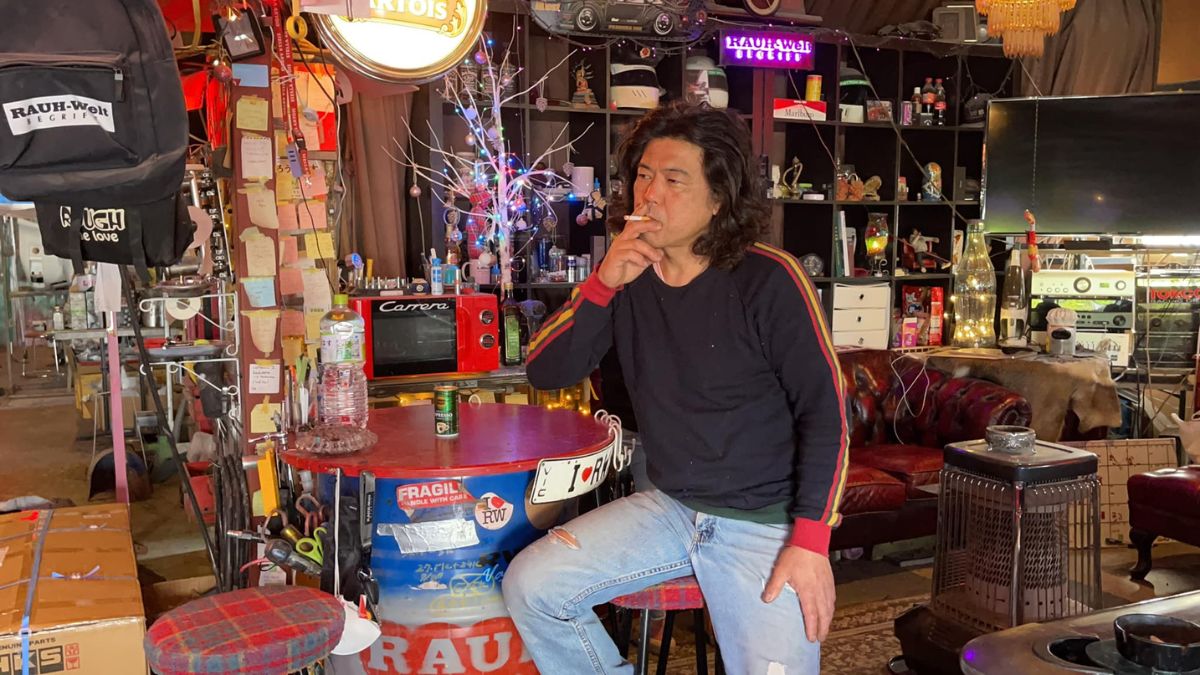
Founded by Akira Nakai in Chiba, Japan, RWB combines raw emotion with rebellion against perfection. Nakai isn’t some corporate designer chasing trends.
He’s a craftsman with a cigarette in one hand and a wrench in the other, shaping cars by feel, not formulas.

His approach isn’t conventional. It’s chaos turned into art. RWB isn’t built to please everyone. It’s meant to provoke a reaction, good or bad. And that’s exactly what keeps it relevant decades later.
One Man, One Porsche, and One Wild Idea
It all began with a battered Porsche 930 911 that Nakai could’ve easily scrapped or restored. Instead, he took a grinder to its fenders, dropped it to the ground, and fitted impossibly wide wheels.
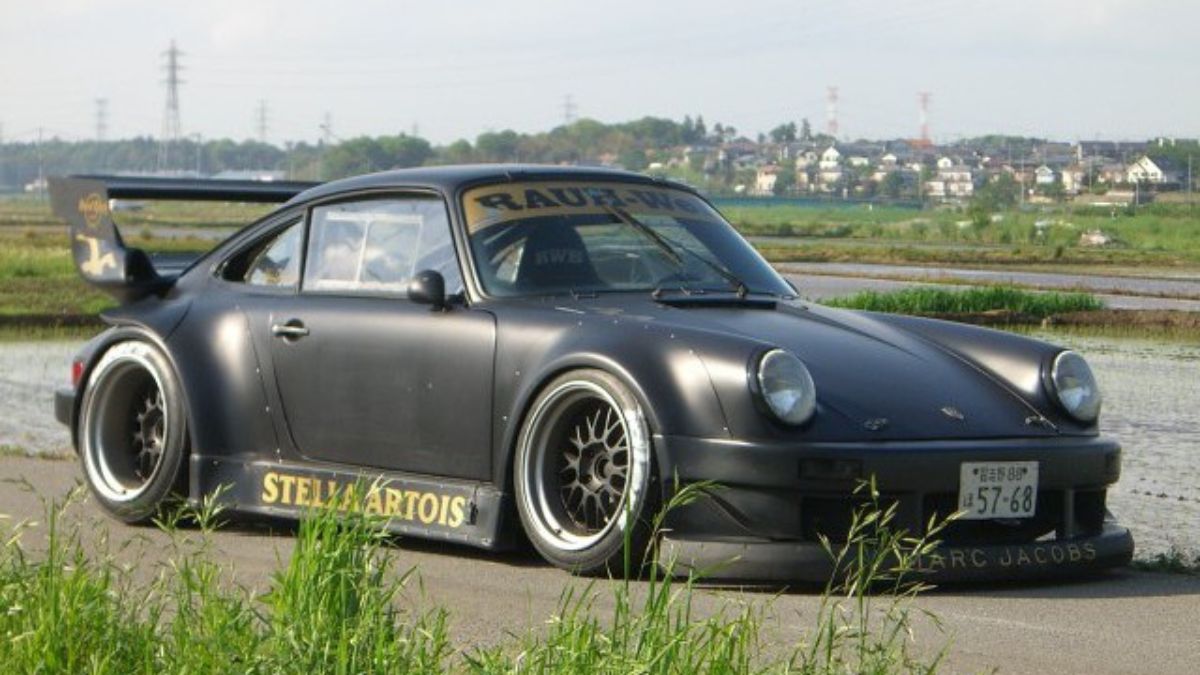
That car, “Stella Artois,” named after his favorite beer, became the first RWB Porsche. It shocked traditionalists and inspired tuners worldwide.
From his small Chiba garage, Nakai turned his personal project into a global phenomenon that bridged Japanese street culture with European performance heritage.
It wasn’t about fame or profit. It was about expressing individuality in metal, rubber, and bolts.
The Rise of the RWB Style
RWB Porsches aren’t built for subtlety. The signature flared fenders, deep lips, and towering wings are unmistakable. But beneath that aggression lies artistry. Every cut, every rivet, every line is done by hand.
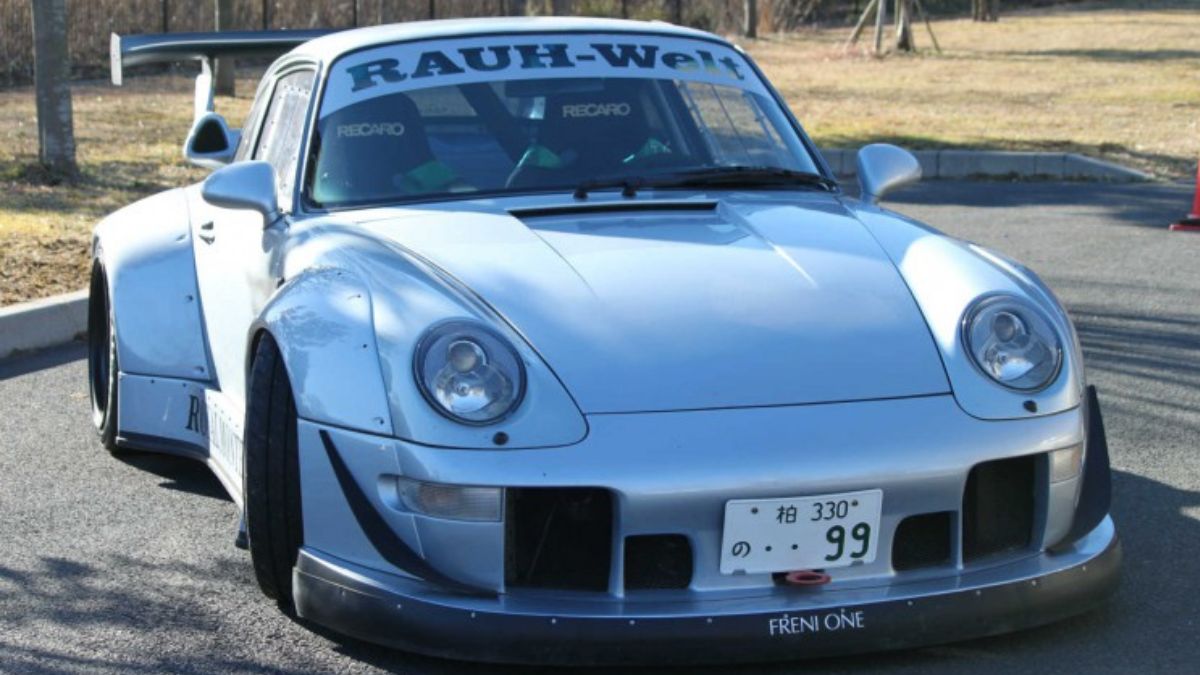
Nakai doesn’t use CAD programs or templates, just tape, instinct, and experience. Each car is built uniquely for its owner, and no two RWBs are ever the same.
That’s part of the appeal, and part of the controversy. Critics see it as repetitive and “samey.” Supporters see it as timeless, a consistent art form that refuses to be diluted by trends.
A Price of Passion
Here’s where the critics get loud again. RWB kits can cost upwards of $30,000, and that’s before installation.
If you want the full experience, Akira Nakai himself flies out to install it on your dime. That means covering his travel, hotel, food, and whatever he needs while he’s there.
To the internet, that sounds “ridiculous.” But to RWB owners, it’s a privilege. Nakai doesn’t rely on fancy lasers or 3D scanners. He cuts everything by freehand, guided by decades of experience and instinct.

It’s like trusting a surgeon with 30 years under his belt — someone who knows exactly where to cut, how deep, and why.
He isn’t recklessly slicing into someone’s dream car for fun. He’s performing a careful operation to bring it to life. Every mark, every bolt, every adjustment is done with purpose.
Nakai wants the best for the car, and when he’s finished, what’s left isn’t just a modified Porsche — it’s a rolling masterpiece.
The Controversy Behind the Cuts
Still, RWB builds attract criticism. Detractors argue that Nakai only installs body kits while leaving the rest of the powertrain, suspension, or interior untouched. To them, paying that much for “just a body kit” makes no sense.
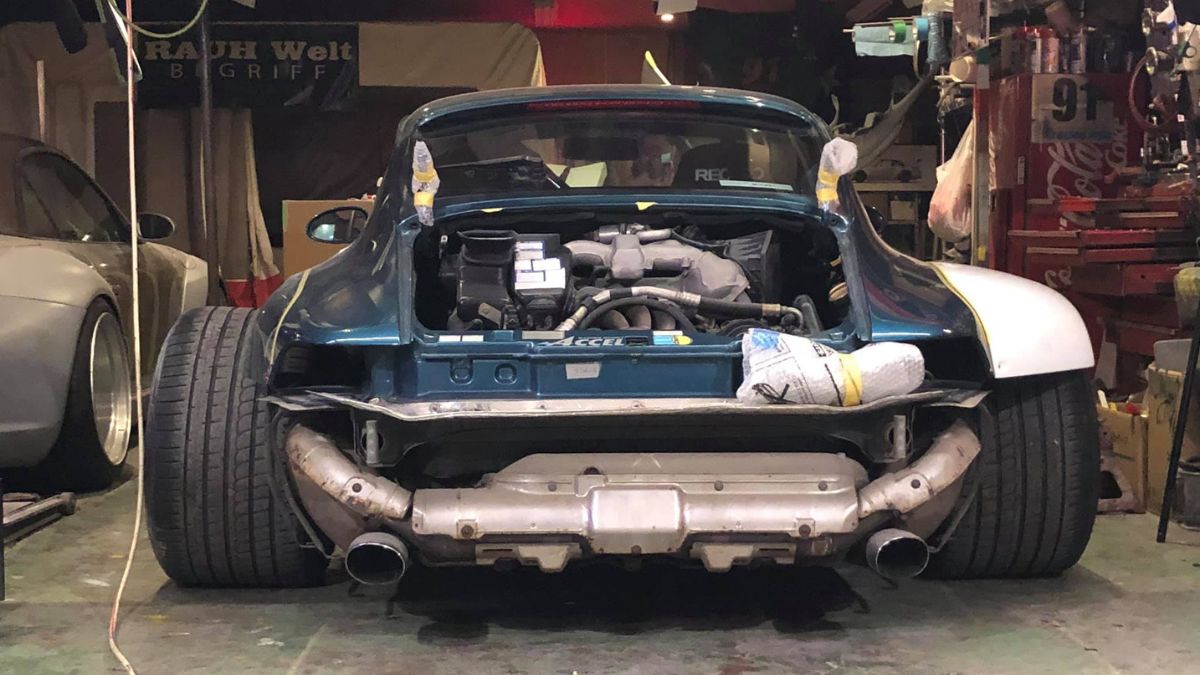
Others think the look is outdated, a relic of early-2000s tuning excess. But fans see it differently. They view RWB as a collaboration. Nakai brings the soul, the owner brings the story.
It’s not about factory perfection; it’s about human touch. The imperfections, the grit, and the individuality are exactly what make it special. RWB builds are emotional, not clinical.
A New Generation Preferring Clout Over Craft
Most of today’s criticism comes from the new wave of car centhusiasts who don’t understand what RWB is and stands for.
To them, cutting into a Porsche 911 feels like a crime. They call it “destroying heritage” or “chicken wire cars.” Some even argue that RWB has become overcommercialized, more of a brand than a movement. But that misses the essence entirely.
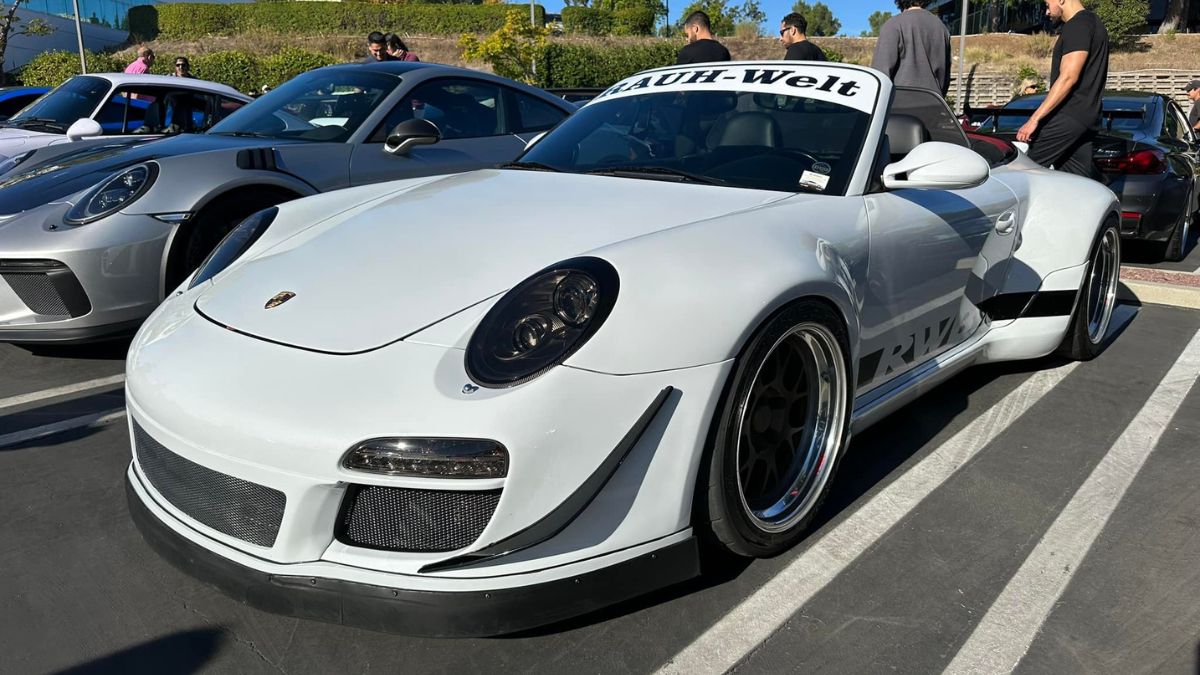
RWB was born from rebellion, from rejecting what was “proper.” Japan’s car scene was built on rule-breaking and self-expression, not conformity. Nakai’s builds carry that same DNA, even if the internet doesn’t always get it.
Everyone’s Inspired, No One Admits It
Even with the noise, RWB’s influence is undeniable. Its style has inspired countless copycats and influenced the aesthetic of global tuning culture.
From Liberty Walk to Rocket Bunny, traces of Nakai’s raw, handcrafted approach can be found everywhere. Even major manufacturers have borrowed his aggressive, widebody look for their special-edition models. And despite what critics claim, RWB’s reputation isn’t fading.
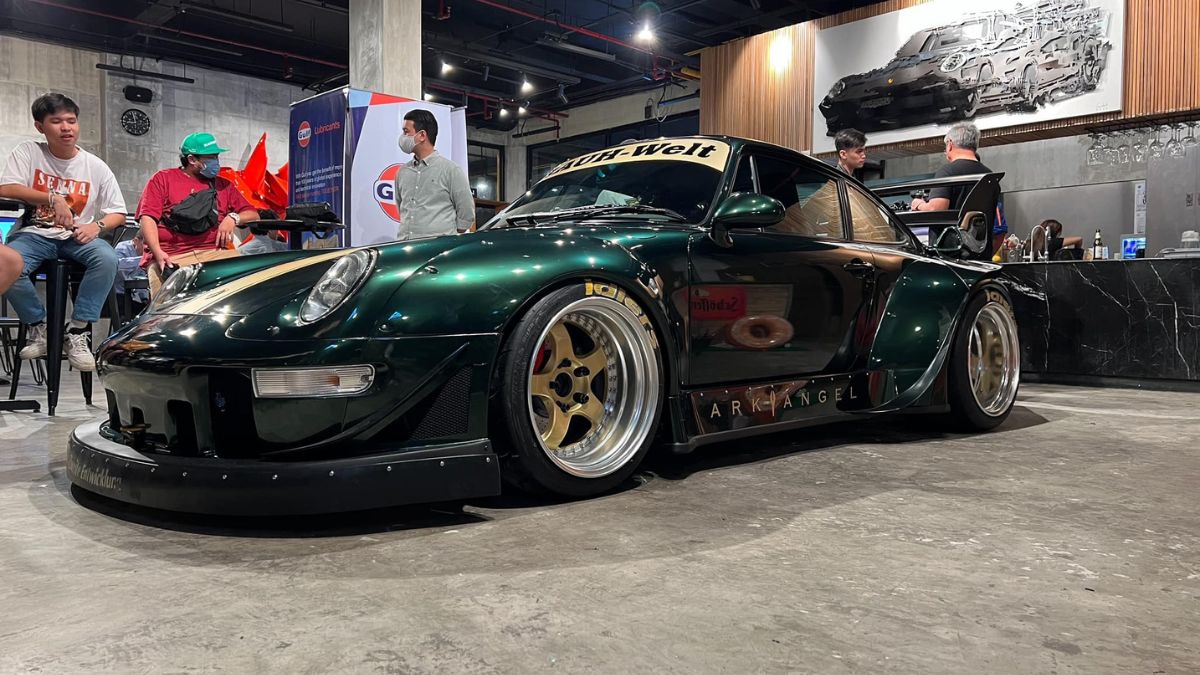
The same people mocking it online are often running RWB liveries in Gran Turismo or Forza. Love it or not, it’s part of modern car culture DNA.
The Rough World Will Always Roll On
Love it or hate it, RWB isn’t going anywhere. Akira Nakai still travels the world, installing kits, smoking cigarettes, and creating magic with every fender cut.
He doesn’t care about internet trends or resale value. He builds because it makes him happy. And that’s the real spirit of car culture. Doing it for yourself, not for the likes.
The younger generation might not get it now, but they will. Because the longer RWB stays around, the clearer its message becomes. It’s not about perfection. It’s about passion and creativity. It’s about taking something already great and making it yours!

Submit a Tip or Correction
If you spotted an error in one of our stories or want to share additional details, we’d love to hear from you. RōdoHouse also welcomes brands, photographers, and creators interested in partnerships or collaborations.
Contact