

Japan’s car culture comes alive in its museums. The country’s endless JDM museums showcase legendary vehicles, motorsports history, and engineering milestones.
Any gearhead can see cars that shaped an era of automotive innovation. From Honda and Mazda to NISMO and Toyota, each pit stop tells a story that’s worth visiting.
6 JDM Museums in Japan To Visit
Fuji Motorsports Museum
- City: Oyama
- Cost: Weekdays $12 USD, weekend online $13 USD.
Located adjacent to the famous Fuji Speedway, this museum traces over 130 years of motorsports history, exploring how racing influenced the evolution of automobiles.

There are roughly 40 exhibits of racing vehicles from domestic and international manufacturers.
You’ll find iconic competition cars, endurance racers, and early powertrain pioneers, all displayed in pristine lighting that makes each model stand out.
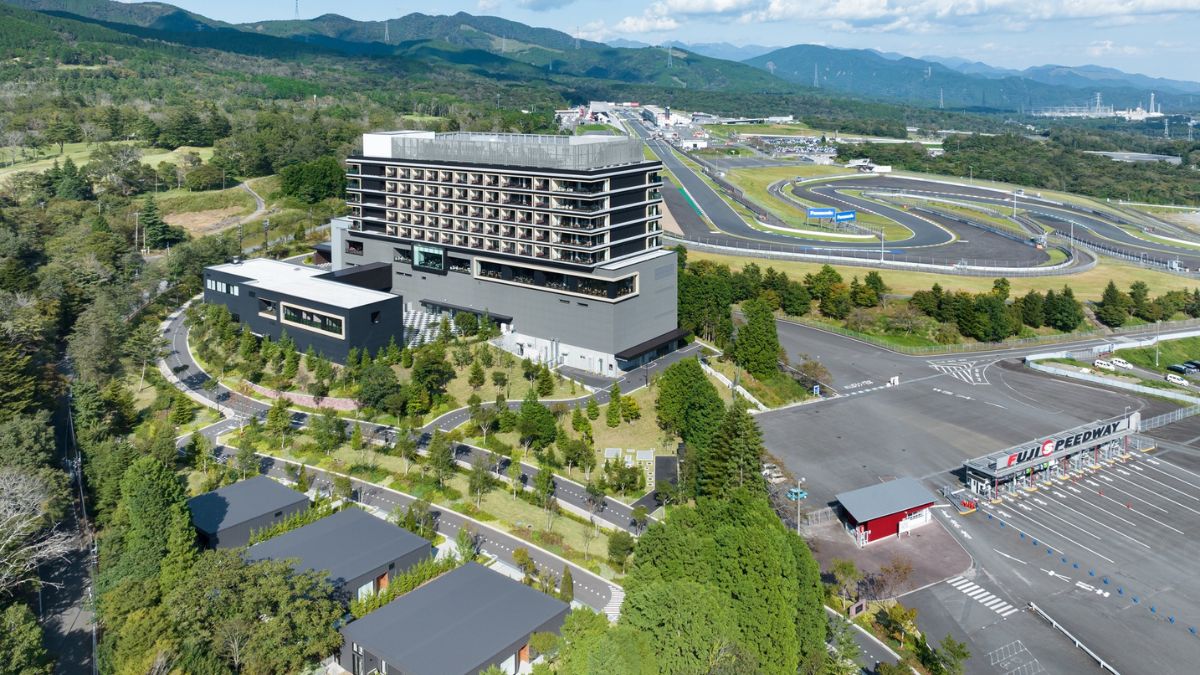
Visitors are encouraged to reserve online because capacity is limited and you may get priority admission.
Exhibits include famous Japanese race cars like the Toyota 7, early Formula Toyota entries, and Group C endurance racers from the 1980s and 1990s. International icons like early Bugatti and Porsche race cars also appear in rotating displays.
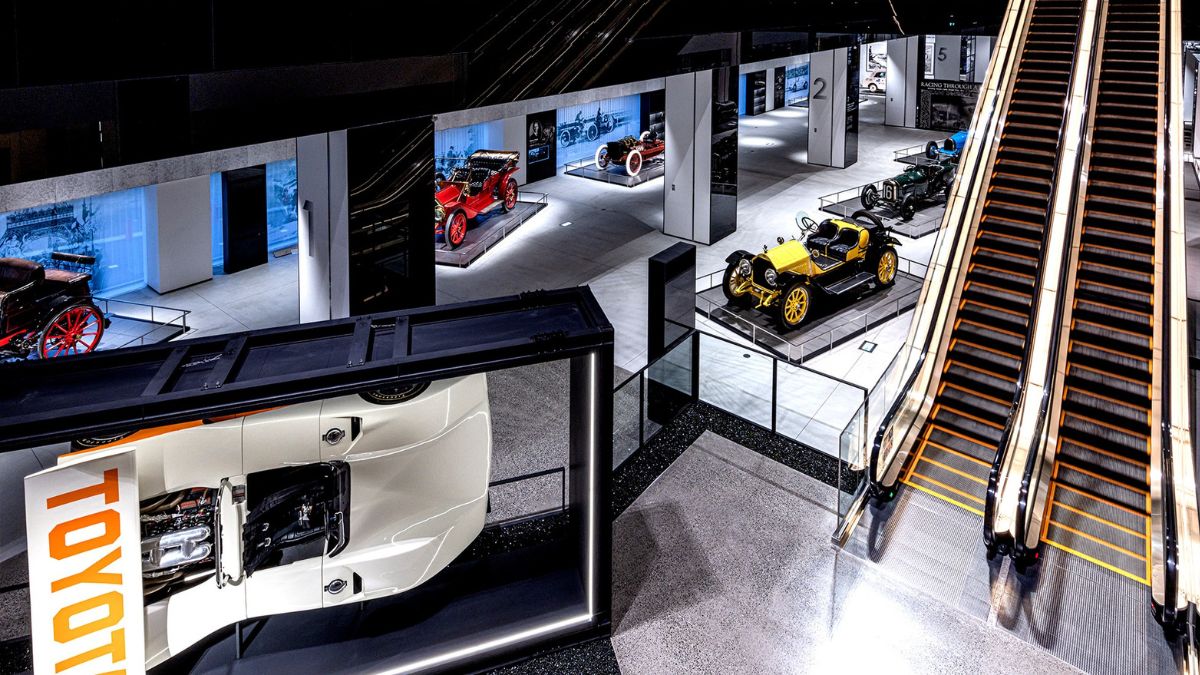
The museum focuses on how innovations from the track made their way into consumer vehicles. The walk-through experience is well-paced and takes about 60 minutes for most visitors. Set next to the Fuji Speedway circuit, the atmosphere captures the thrill of motorsport history perfectly.
NISMO Showroom
- City: Yokohama
- Cost: Free admission (no ticket required)
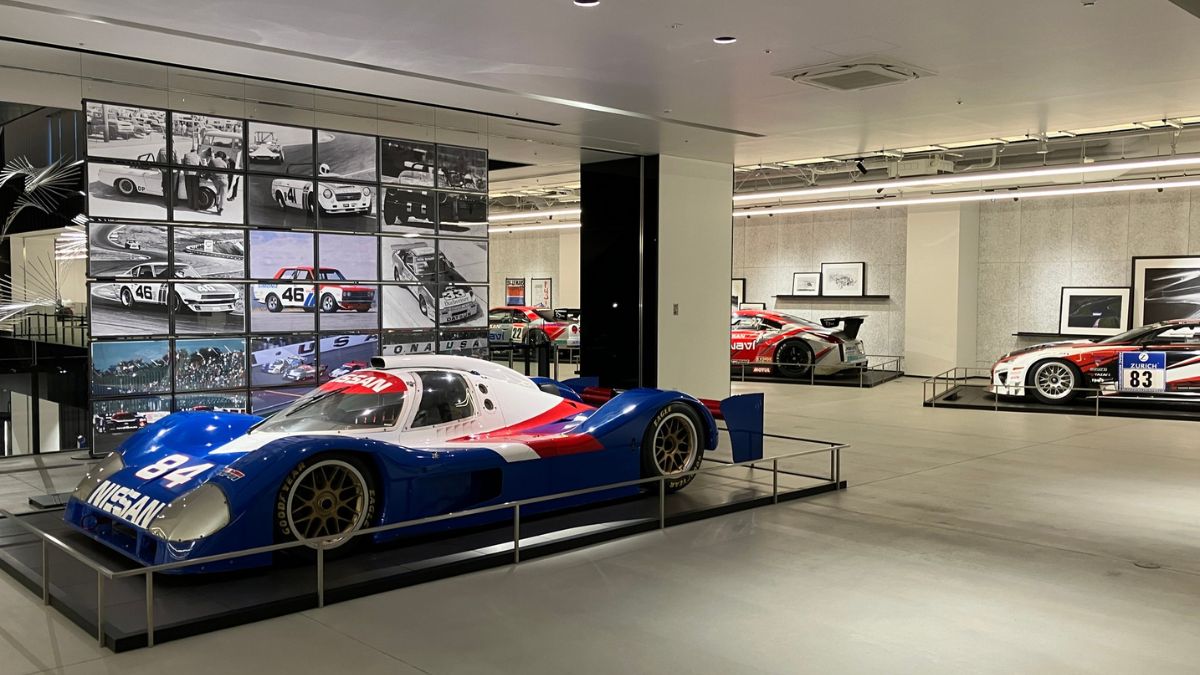
This showroom is part of NISMO’s facility in Yokohama city and displays finely curated pieces of racing and brand heritage from the Nissan and NISMO story.
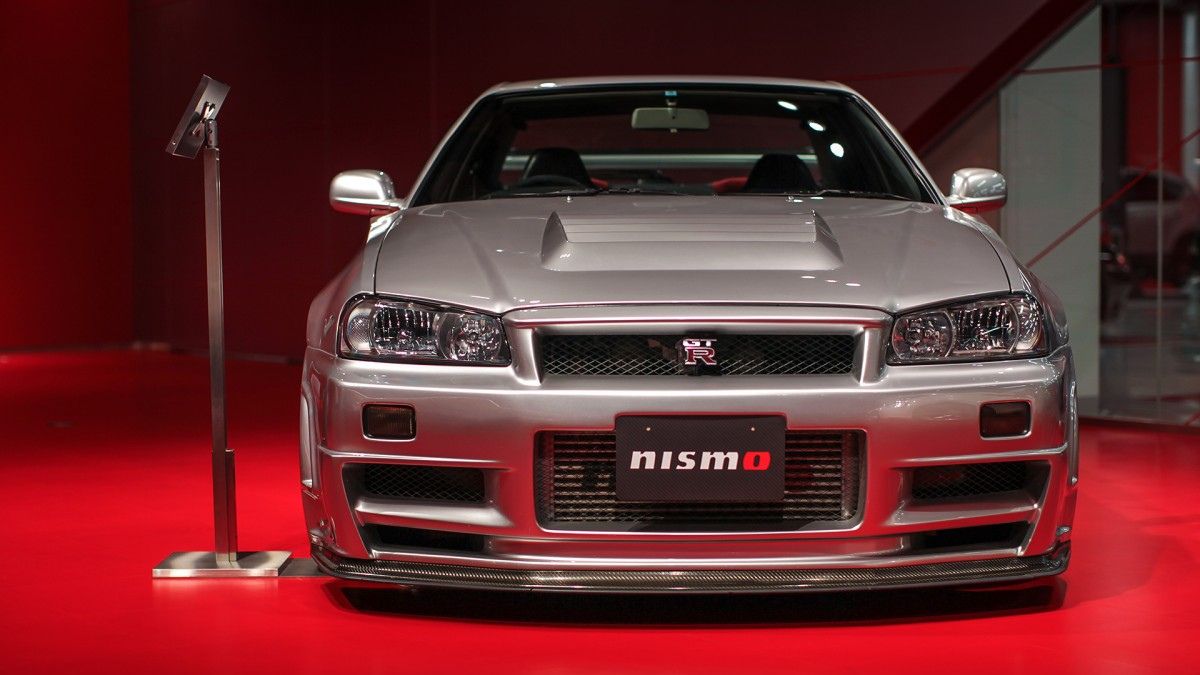
On display are vehicles like the Fairlady 240ZG, a 1982 Safari Rally-winning Violet GT, a 2013 MOTUL AUTECH GT-R, and even a Nissan Formula E machine.
It’s not a massive museum, but it’s packed with quality over quantity and changes vehicles throughout the year to keep things fresh.
The showroom also includes actual racing parts such as camshafts, connecting rods, trophies, and driver helmets used in competition. Most visitors spend around 60 minutes exploring, though diehard Nissan fans might linger to study every display.
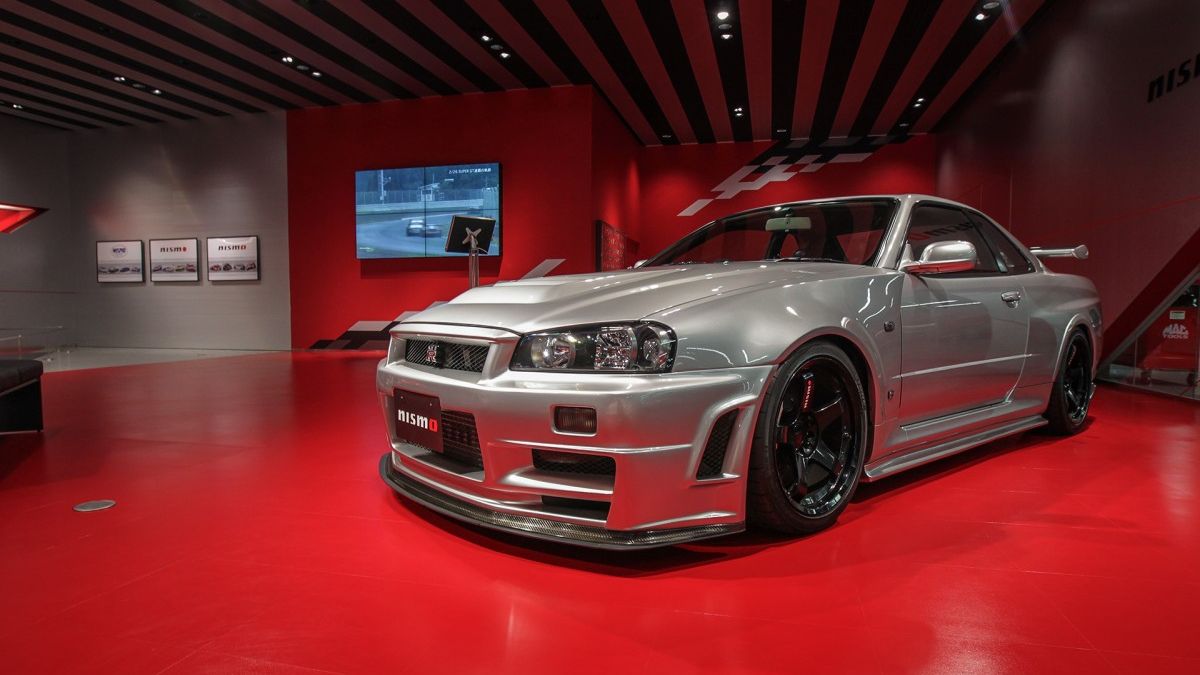
It’s open primarily on weekends, so it’s best to check the official schedule before visiting. Though small, this spot is an essential stop for Nissan and motorsport enthusiasts, offering a personal look into the spirit of Japanese performance engineering.
Honda Collection Hall
- City: Motegi
- Cost: Free admission
Perched inside the Twin Ring Motegi circuit complex, the Honda Collection Hall in Motegi offers one of the most complete looks into Japan’s engineering heritage.

From early motorcycles to the company’s latest Formula 1 and MotoGP machines, the museum reflects Honda’s constant push for innovation.
Spread over three floors, the collection holds more than 350 vehicles and machines, with about 200 on display at any given time.
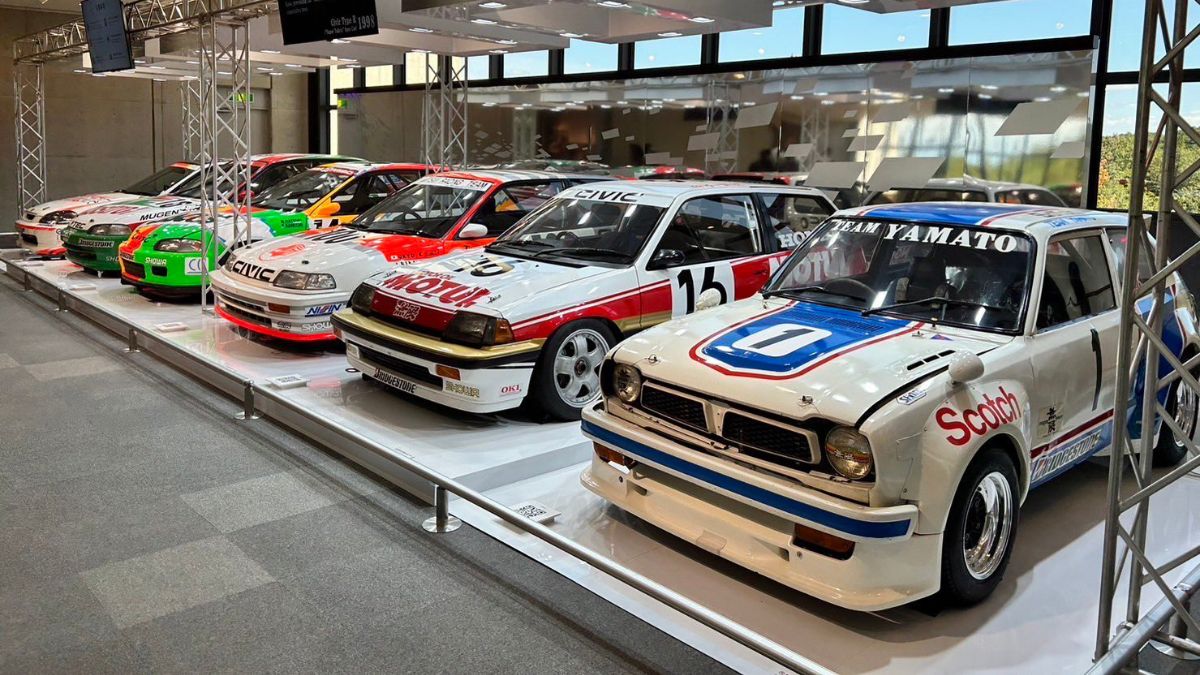
Visitors can expect to spend 1–2 hours on a self-guided tour through the different eras of Honda. The first floor focuses on mobility and innovation, while the second and third floors showcase historic racing cars and motorcycles.
Highlights include Ayrton Senna’s McLaren-Honda MP4/5 Formula 1 car, classic Honda Civics, NSX prototypes, and original Super Cub models.

Because admission is free, you can take your time exploring or revisiting during race events at Twin Ring Motegi; just note that certain areas may close during race weekends.
Mazda Museum
- City: Hiroshima
- Cost: Free admission
The Mazda Museum, located at Mazda’s global headquarters in Hiroshima, provides a guided tour through more than 100 years of innovation.
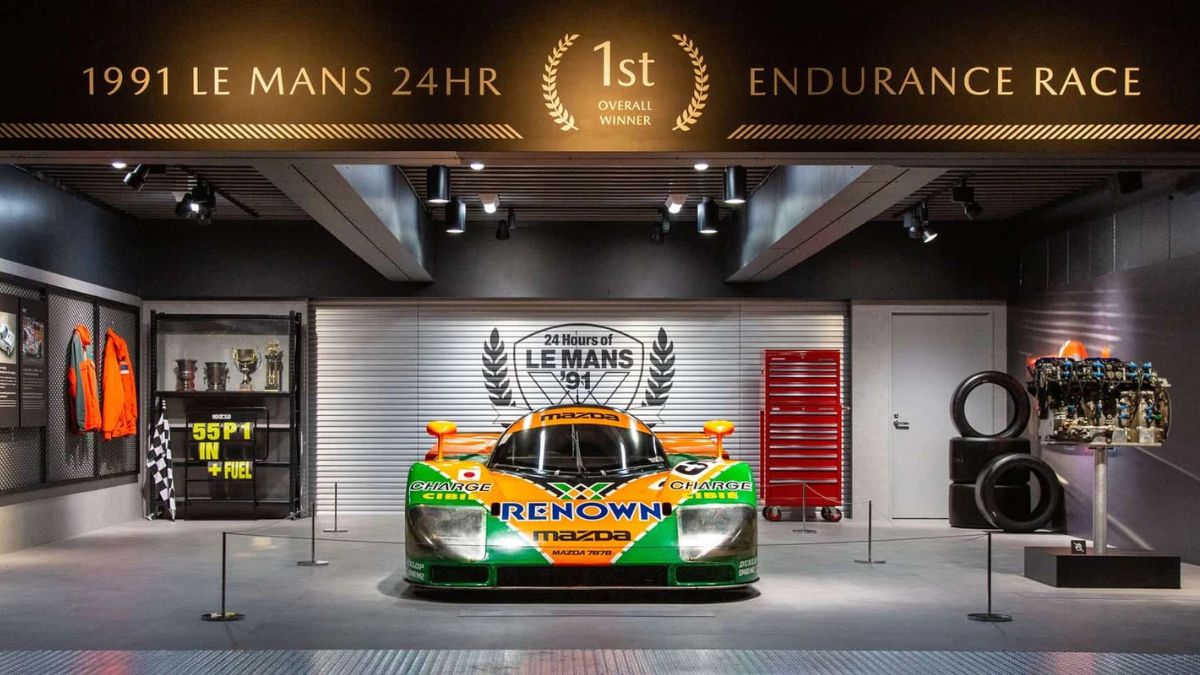
Highlights include the legendary 787B — Japan’s only Le Mans-winning car — along with the Cosmo Sport, RX-7s, and the rotary-powered RX-8 concept vehicles.
Visitors also get a rare behind-the-scenes look at Mazda’s assembly line, where modern models are built in real time.
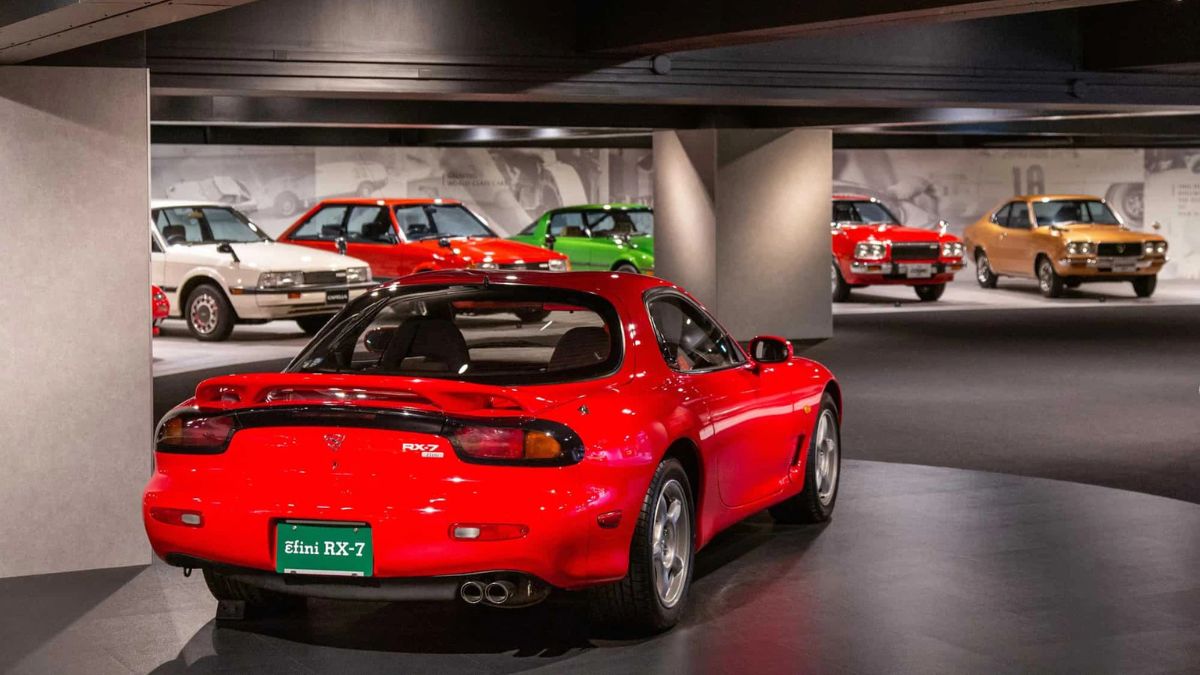
The tour divides the brand’s history into ten themed zones, ranging from its early cork manufacturing days to its futuristic EV concepts. Tours take about 90 minutes and must be reserved in advance.

English-language tours are typically held on weekdays. The chance to see both production in motion and Japan’s rotary-engine legacy makes this one of the most unique and memorable car museums in the country.
Toyota Automobile Museum
- City: Nagakute
- Cost: Adult admission $8 USD
This museum by Toyota showcases around 150 full-sized cars from Japan and around the world, offering a complete history of the automobile, not just Toyota.

The cars are displayed chronologically, starting from the late 19th century’s first gasoline-powered vehicles to modern Japanese icons like the AE86, 2000GT, and Supra.
The museum also includes the Automobile Culture Showroom, featuring about 4,000 car-related artifacts such as miniature cars, posters, and vintage advertisements.

This is a large-scale facility that takes roughly 1.5 to 2 hours to explore comfortably. The exhibits cover European, American, and Japanese contributions to automotive progress, showing how design philosophies evolved over time.
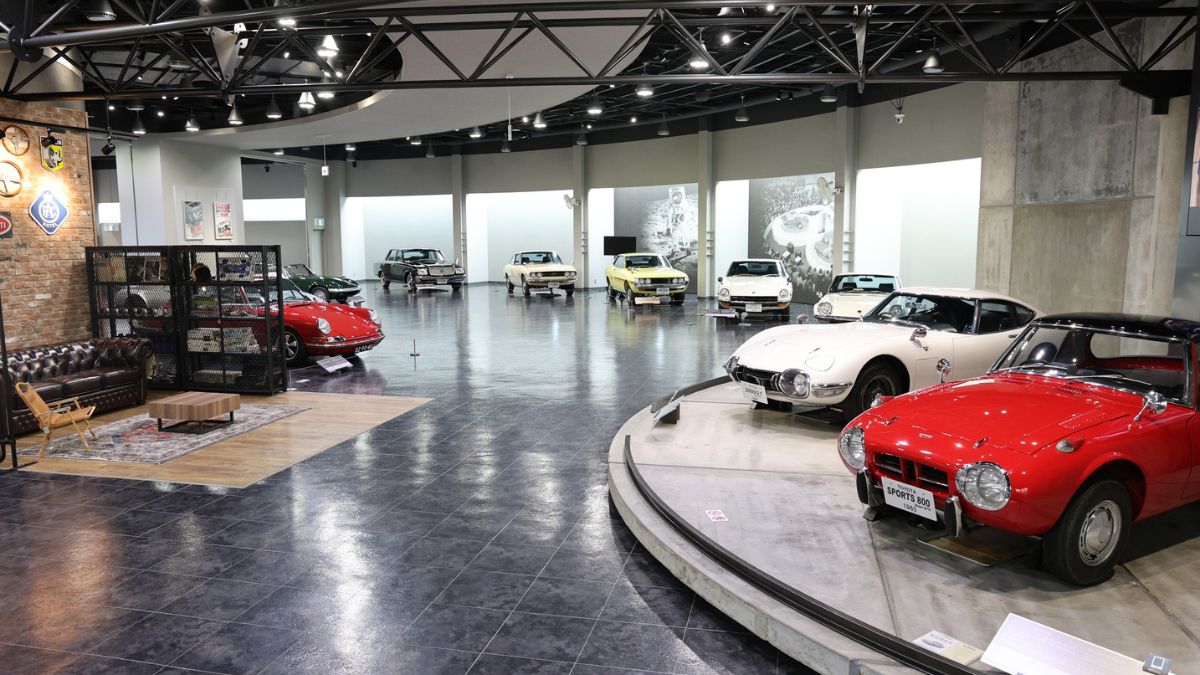
It’s a must-see for anyone interested in global car culture, giving valuable context to Japan’s role in shaping the modern automobile industry.
Prince & Skyline Museum
- City: Okaya
- Cost: Adult admission $7 USD
- Hours: 9:30 AM – 5:00 PM (last entry at 4:30 PM)
- Season: Open from April 13, 2025, to November 3, 2025 (closed during winter)
Tucked away in the mountains of Okaya, the Prince & Skyline Museum is a pilgrimage site for Skyline enthusiasts. This smaller but passionate museum celebrates the legacy of the Prince Motor Company and its transformation into Nissan.
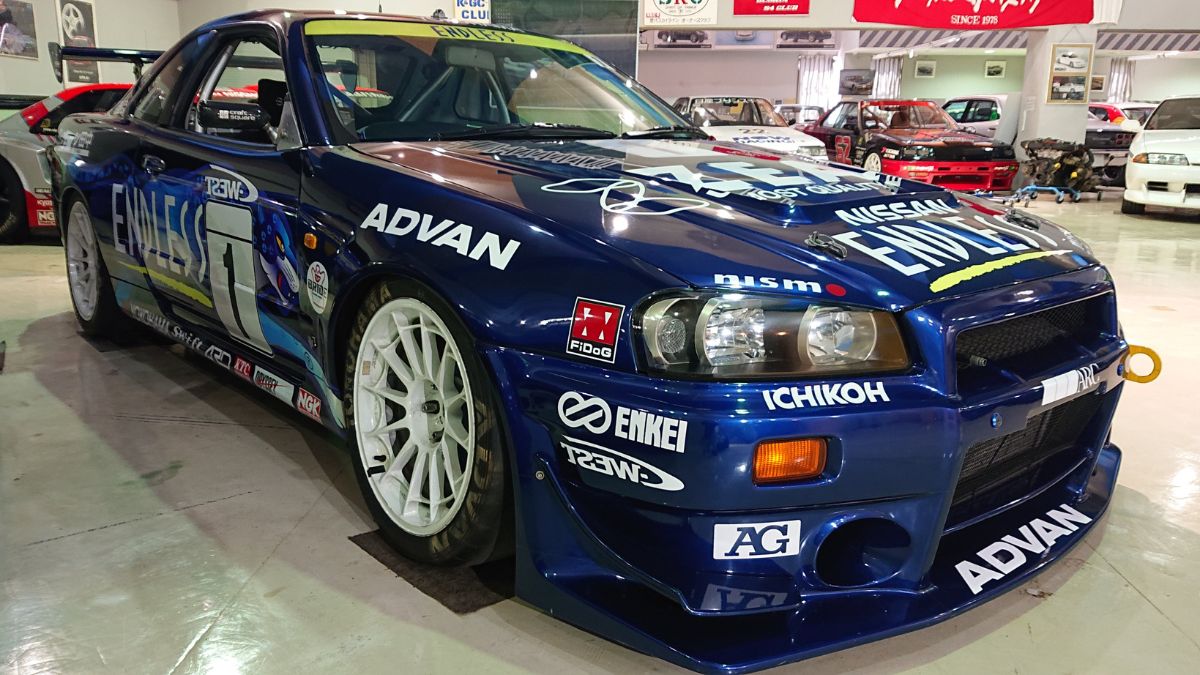
Exhibits feature nearly every generation of the Skyline from the early Prince Skyline 1500 to the iconic R32 GT-R.
The facility is compact yet deeply focused, taking about 45–60 minutes to explore. Visitors can see rare motorsport Skylines from the 1960s and 1970s, along with development prototypes and cutaway engines.
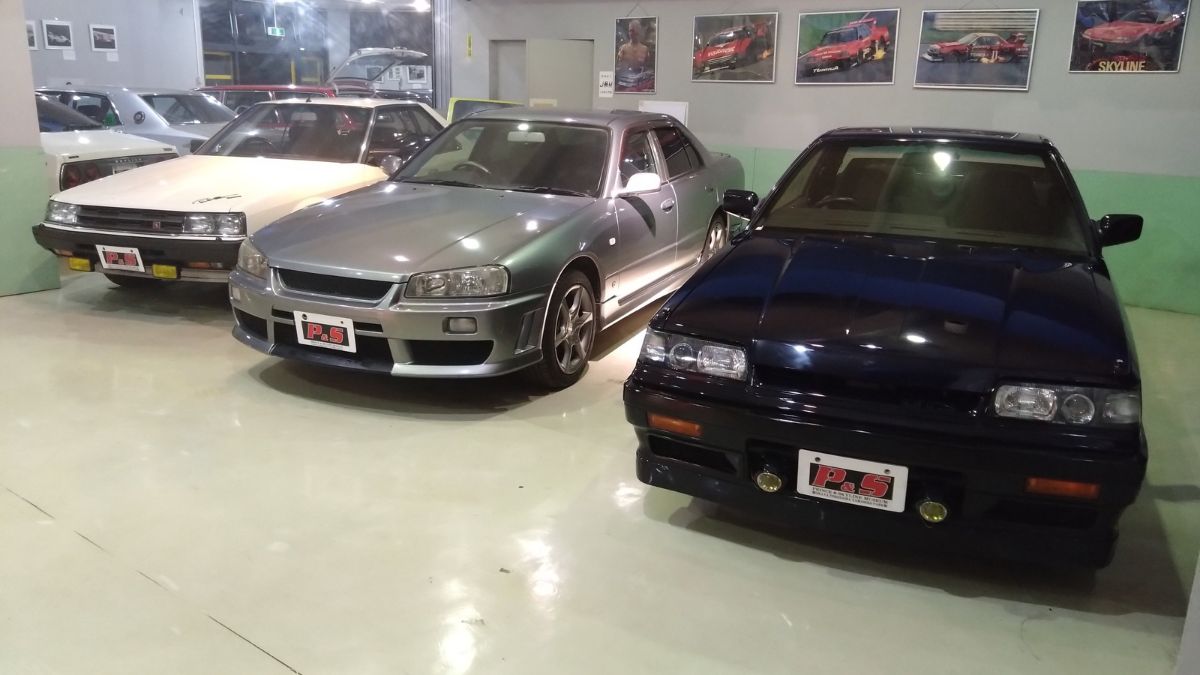
Because it’s off the beaten path, it’s usually quiet, giving fans plenty of time to admire every detail. It’s a must-visit destination for anyone who grew up loving the Skyline GT-R legend.
Shift Into Gear For Your Next JDM Trip
Each of these six museums offers its own angle on Japanese automotive culture, from global history and brand heritage to performance and racing.
To make the most of your visit, check opening days, reserve tours when required (especially Mazda), and allow at least 1–2 hours per stop. Some are located in more remote areas, so factoring in travel time is key.
Whether you have one day or a full road trip across Japan, these destinations provide far more than static displays — they tell the stories behind the machines that defined Japan’s automotive identity.
With the rising global love for JDM culture, these museums stand as time capsules of innovation, speed, and the passion that drives Japan’s car scene.

Submit a Tip or Correction
If you spotted an error in one of our stories or want to share additional details, we’d love to hear from you. RōdoHouse also welcomes brands, photographers, and creators interested in partnerships or collaborations.
Contact