


For decades, whispers of a shadowy racing crew haunted the Wangan Expressway. Known only as the Mid Night Club, its members pushed their cars past 190 MPH while obeying a strict code of honor and secrecy.
What began as a secret brotherhood of racers became one of the most mysterious legends in automotive history.
Ghosts of the Wangan: Inside The Mid Night Club
The Mid Night Club was an underground street racing crew that emerged in the early 1980s, founded and led by Eiichi Yoshida, a highly skilled Porsche driver who sought to bring discipline and professionalism to Japan’s street racing scene.
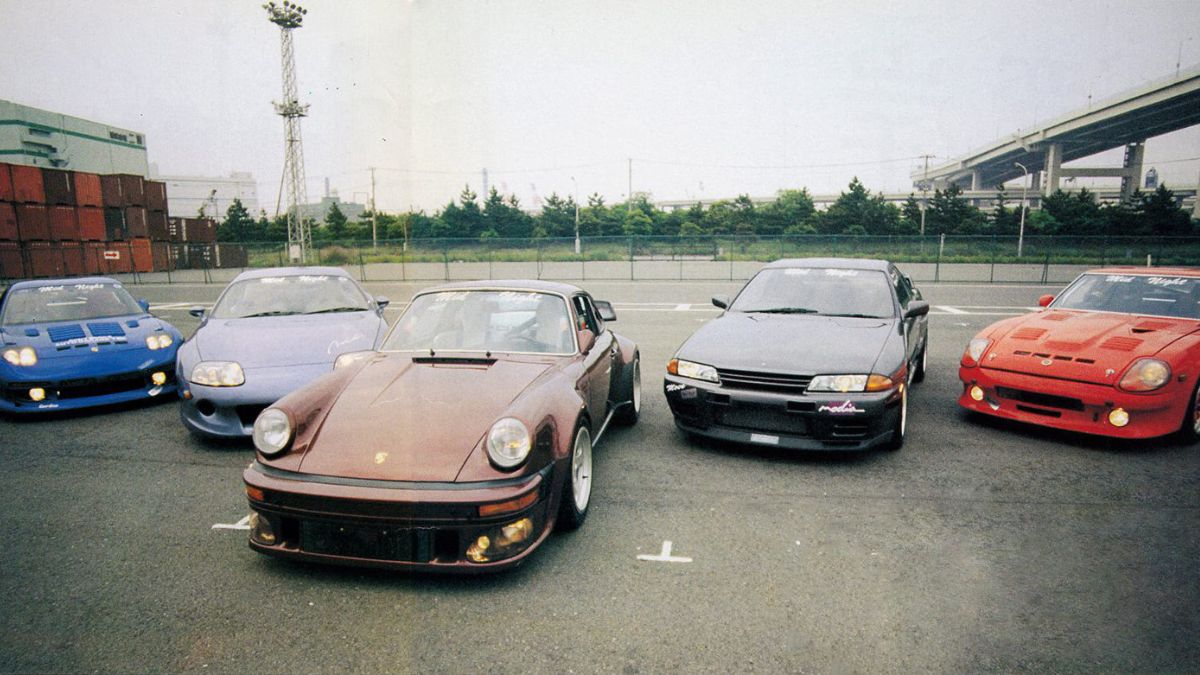
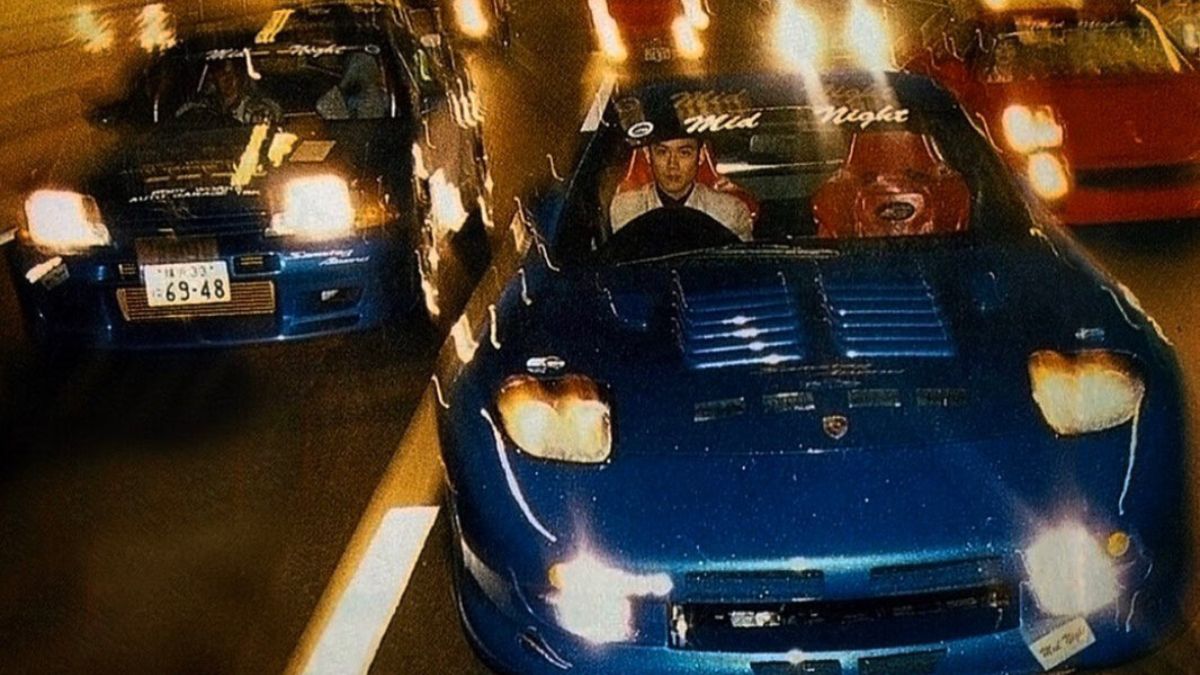
The club’s members raced on Tokyo’s highways, including the Shuto Expressway, Tomei Expressway, and Hakone Turnpike, pushing their cars to extreme speeds while following an unspoken code of safety and precision.
Only drivers capable of maintaining speeds over 155 MPH with absolute control were considered for membership.
The club prioritized safety, speed, and technical mastery, limiting its roster to around 30 to 75 active members at any given time, each handpicked for both skill and discipline.
How the Mid Night Club Stayed Elite
Mid Night Club enforced strict rules for all members. No member could reveal personal information. Safety was critical; endangering civilians was forbidden.
Cars had to handle extreme speeds for long distances. Apprentices trained for at least one year, attending every race and meeting.
Only after proving skill and discipline could an apprentice become a full member. Silver “Mid Night Car Speciall” stickers signified official membership.
Finding The Mark of the Mid Night Elite
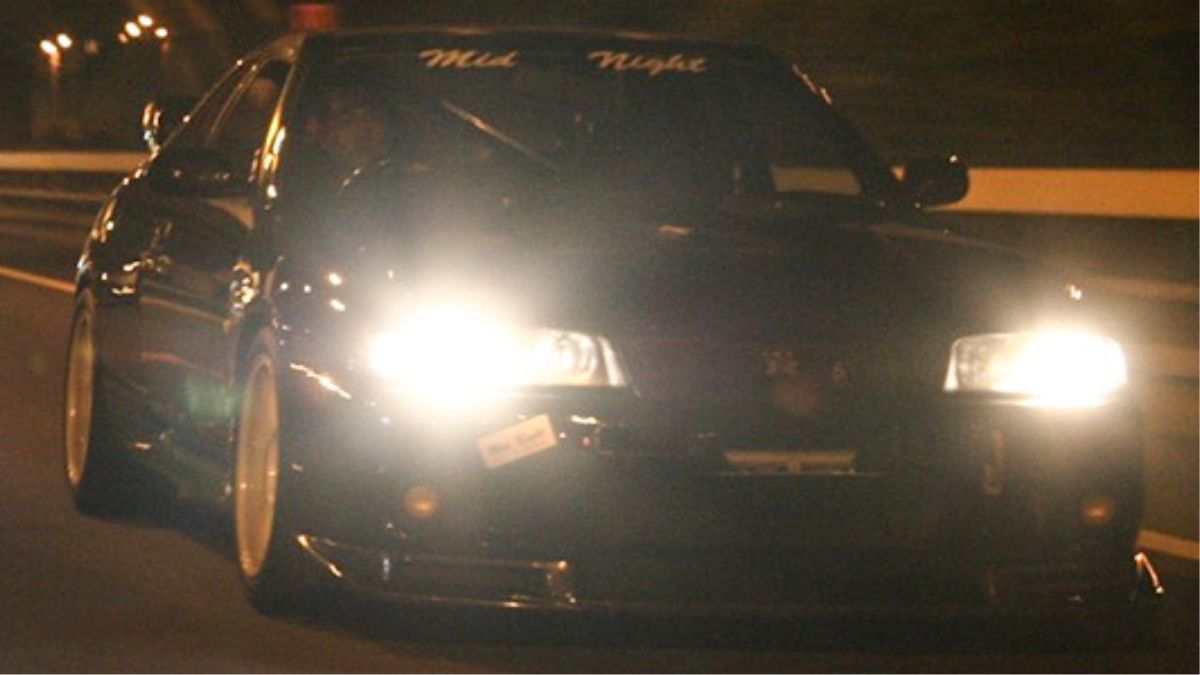
Members displayed the silver “Mid Night Car Speciall” sticker on bumpers. It indicated proven ability to handle high-speed racing safely.
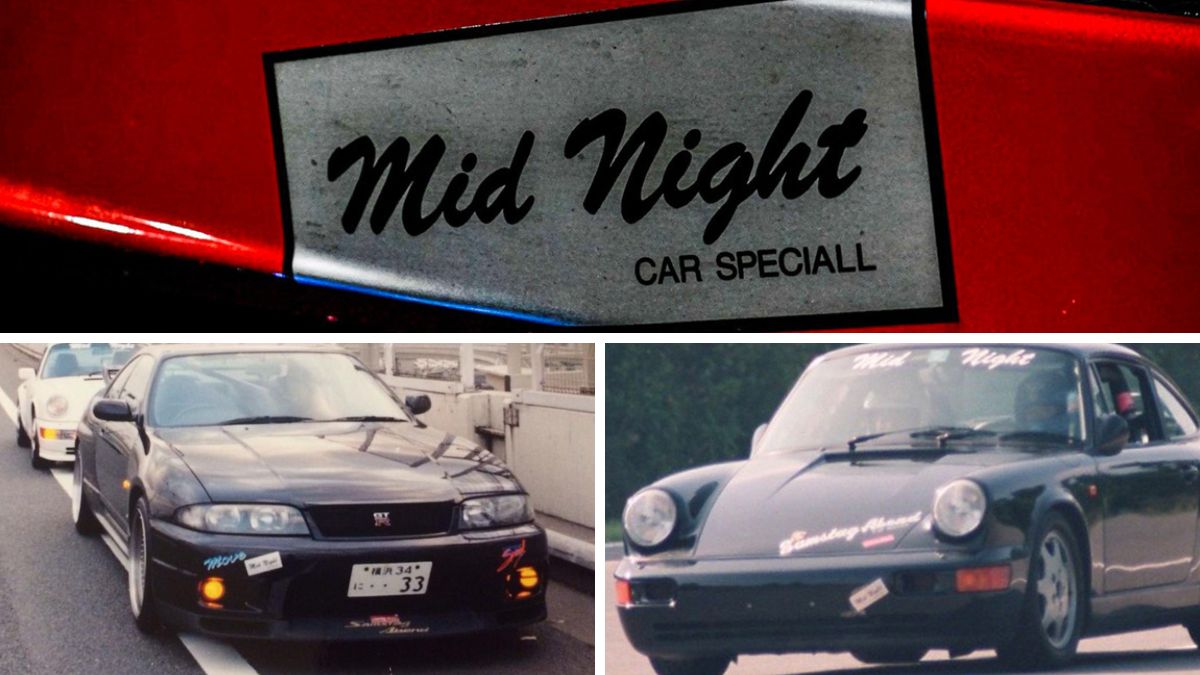
The silver “Mid Night Car Speciall” sticker was the club’s badge of honor. Only approved members could display it. It signified elite skill and adherence to the club’s strict rules.
Attempting to mimic the sticker without approval could result in punishment from true members. This sticker remains iconic in JDM culture.
Other identifying marks included diagonal placement on front and rear of cars. Some members also used windshield banners to show their elite status. The club remained secretive despite its fame.
The Cars That Defined The Club
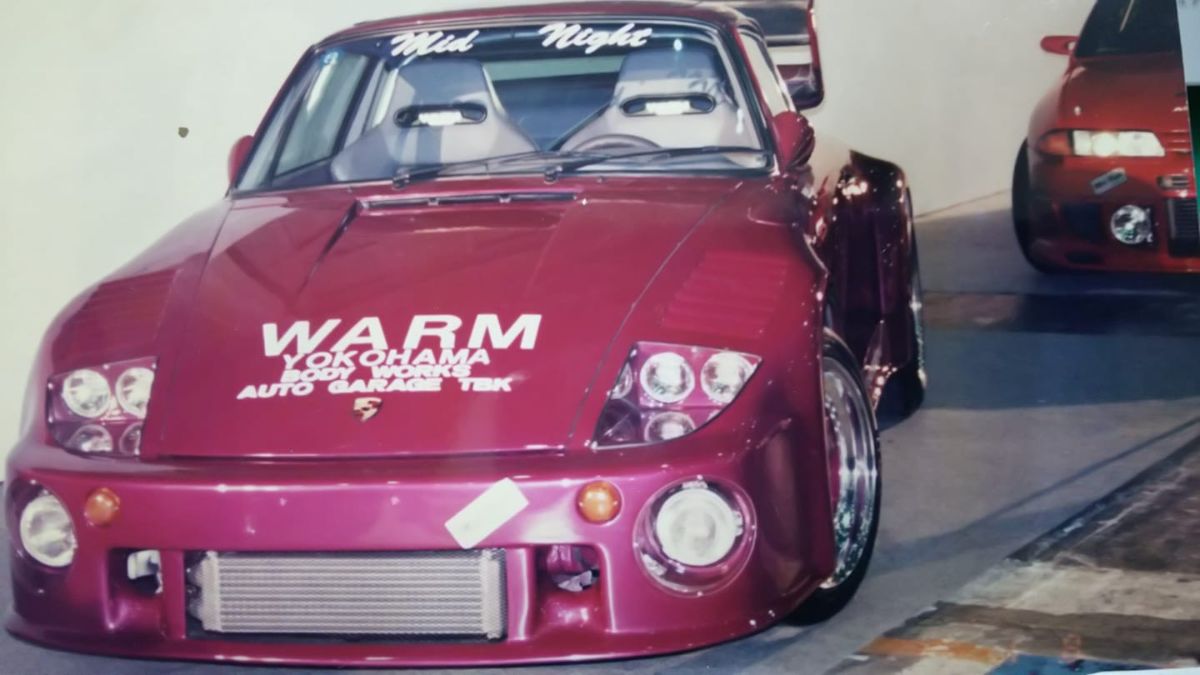
Eiichi Yoshida, one of the club’s most famous alleged associated members, drove a Porsche 930 Turbo. His “Yoshida Specials 930” was tuned at Porsche’s Weissach development center.
The car produced 620 horsepower and reached record speeds. Yoshida’s precision and skill made him a legendary driver in the Wangan scene.
Hiroshi Tamura, another prominent member, is known as the “Godfather of the GT-R.” He helped develop the Nissan R35 GT-R and latest Z car.

Tamura still owns his R32 GT-R, tuned by PentRoof to 600 horsepower for stability. It can reach 195 MPH. His car keeps a mostly stock appearance, preserving its original aesthetic while performing at top levels.
Other members drove cars such as the Mazda RX-7 FD3S, Nissan Skyline R33 and R34 GT-R, Ferrari, Lamborghini, NSX, and Porsche 964.
Many cars exceeded 186 MPH in top speed trials. The club’s vehicles were the pinnacle of Japanese tuning and performance.
Recorded Top Speed Tales
Mid Night Club members raced primarily on Tokyo’s Wangan Expressway at night. The highway was nearly empty, allowing extreme high-speed runs.
The club also raced on other roads, including the Shuto Expressway, Tomei Expressway, Hakone Turnpike, and Daisan Keihin Expressway.
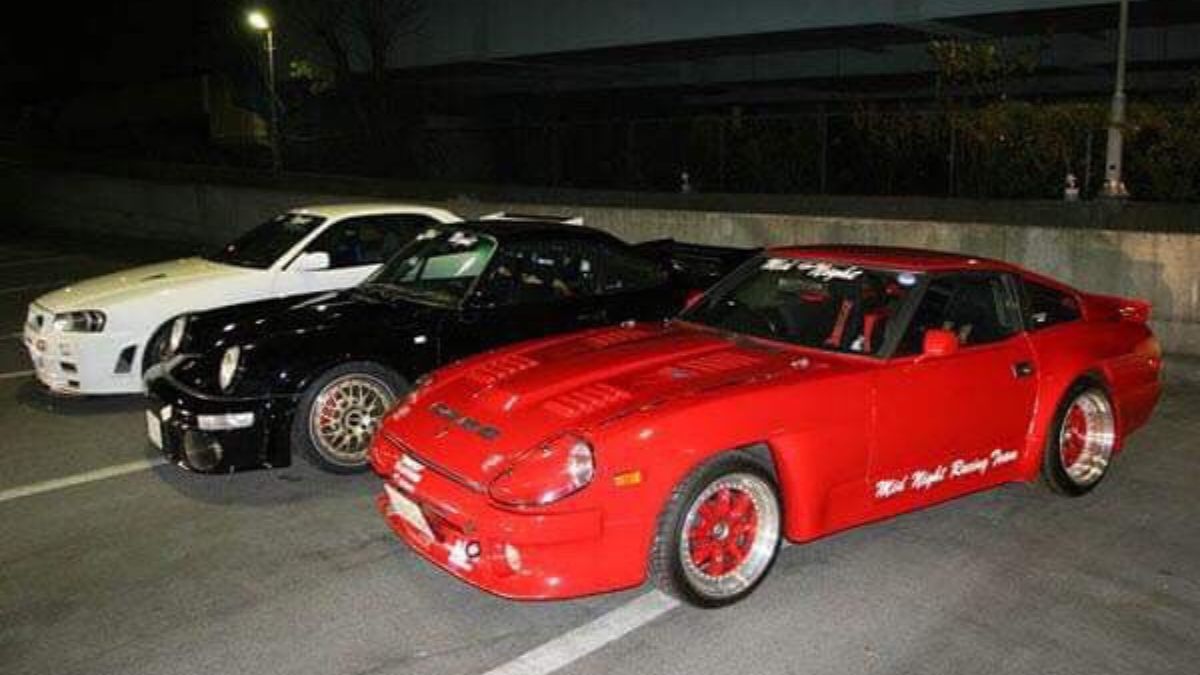
Each location had its own challenges, from tight curves to long straights. Members adapted their cars for stability, handling, and aerodynamics to dominate these tracks. Hiroshi Tamura’s R32 GT-R ran 195 MPH in controlled runs.
Mid Night Club also participated in the Yatabe Top Speed Challenge. Cars like the BNR32 GT-R, Porsche 964 Turbo, and FD3S RX-7 exceeded 200 MPH during these trials.
The events helped cement the club’s reputation as Japan’s fastest and most skilled street racing group. Many of these battles remain legendary among enthusiasts today.
The Alleged Disbandment and Hiding
By the late 1990s, stricter law enforcement in Japan had made high-speed street racing extremely risky. Speed cameras, highway patrols, and license plate scanners forced many crews to go underground.
The Mid Night Club was no exception, and its members chose to keep a low profile during this period.

According to widely circulated stories, in 1999, some Mid Night Club members were involved in a catastrophic incident with a Bosozoku biker gang.
Allegedly, the bikers attempted to ambush the racers on the Wangan Expressway and diverted them into heavy traffic.
The resulting multi-car collision reportedly injured several and fatalities bystanders, club members, and other drivers. Some versions of the story change, though the numbers and details vary depending on the source.
Regardless of the truth, the incident is often cited as a turning point when the club stopped racing publicly and chose to maintain secrecy.
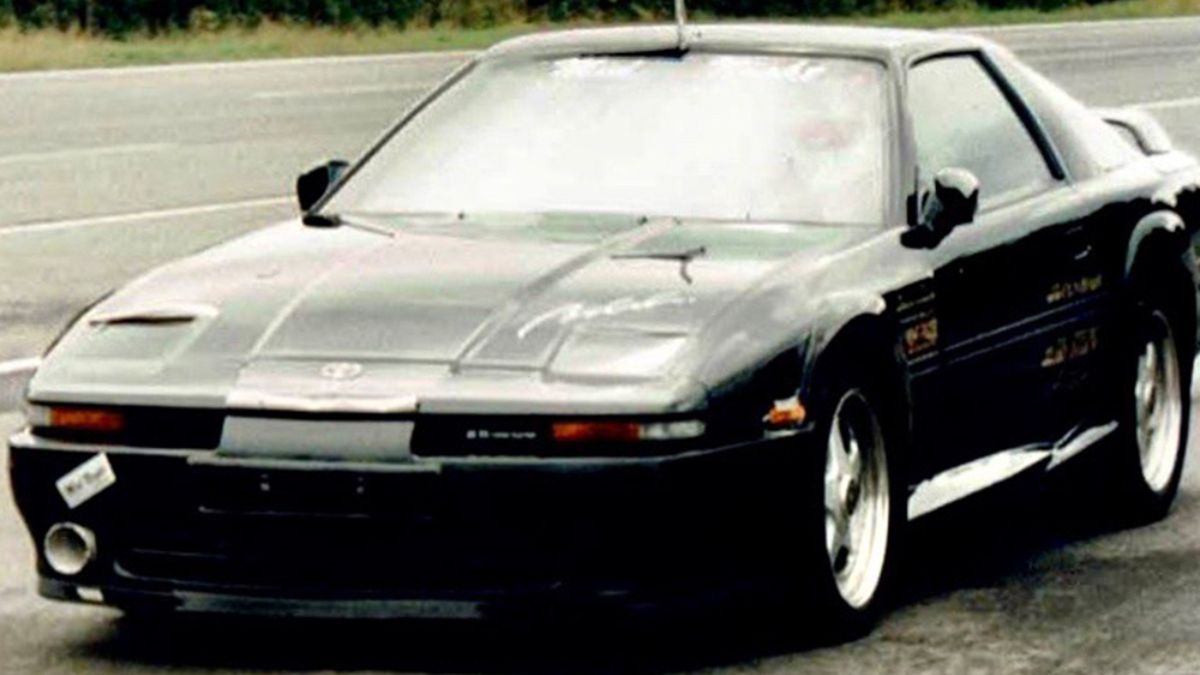
During this period, members went into hiding. The club did not officially disband but quietly retreated from public view, keeping the Midnight mystique alive among enthusiasts and new generations of JDM fans.
The Club’s New Era of Racing
In 2019, Tadao Tamura became the second chairman of the Mid Night Club, taking over after the troubled period under Eiichi Yoshida. Yoshida, a co-founder and former chairman, was arrested for fraud in 2018 and 2019.
He allegedly used millions of dollars from fraudulent deals, including falsely claiming to secure a Porsche 918 for a dealership, to pay off personal debts.
These incidents led to the closure of his Porsche tuning shop and marked a major downfall for the former leader.
Under Tamura’s leadership, the club shifted its focus from illegal street racing to sanctioned track events. Members now compete at circuits such as Tsukuba, maintaining high-speed driving skills in a controlled environment.
The club also established a website and active social media presence, showcasing both its historic legacy and modern activities.
The Mid Night Club continues to honor its history of skill, discipline, and precision while adapting to contemporary motorsport practices.
It inspires JDM enthusiasts worldwide, bridging its legendary street racing past with a safer, professional racing future.
The Legend Lives On Past Midnight
Mid Night Club inspired the manga and movie series “Wangan Midnight,” selling 17 million copies globally.
The club’s cars, techniques, and members influenced tuning culture. Its commitment to skill, discipline, and secrecy set standards for street racing.
Mid Night Club remains a legendary symbol of Japan’s street racing culture. From its elite membership and silver stickers to iconic cars and high-speed battles, the club’s history fascinates enthusiasts worldwide.
While no longer racing illegally on highways, its legacy endures through modern track activities and cultural influence. The Midnight spirit continues to inspire JDM fans everywhere.

Submit a Tip or Correction
If you spotted an error in one of our stories or want to share additional details, we’d love to hear from you. RōdoHouse also welcomes brands, photographers, and creators interested in partnerships or collaborations.
Contact