

In Japan, few names carry the weight of Skyline. By the time the R34 arrived, it had evolved into a sophisticated blend of technology and raw performance. Behind the iconic GT-R badge, a whole family of Skylines existed, each trim serving a different purpose.
From base sedans to rare track editions, we’ll break down every model and its unique features.
The Skyline Story
The Skyline started life long before turbochargers and racing wings. In the sixties, it was a stylish sedan under Prince Motor Company. By the late eighties, Nissan had transformed it into a performance powerhouse.
The R32 Skyline GT-R of 1989 became known as Godzilla after dominating racing on and off the track around the world.
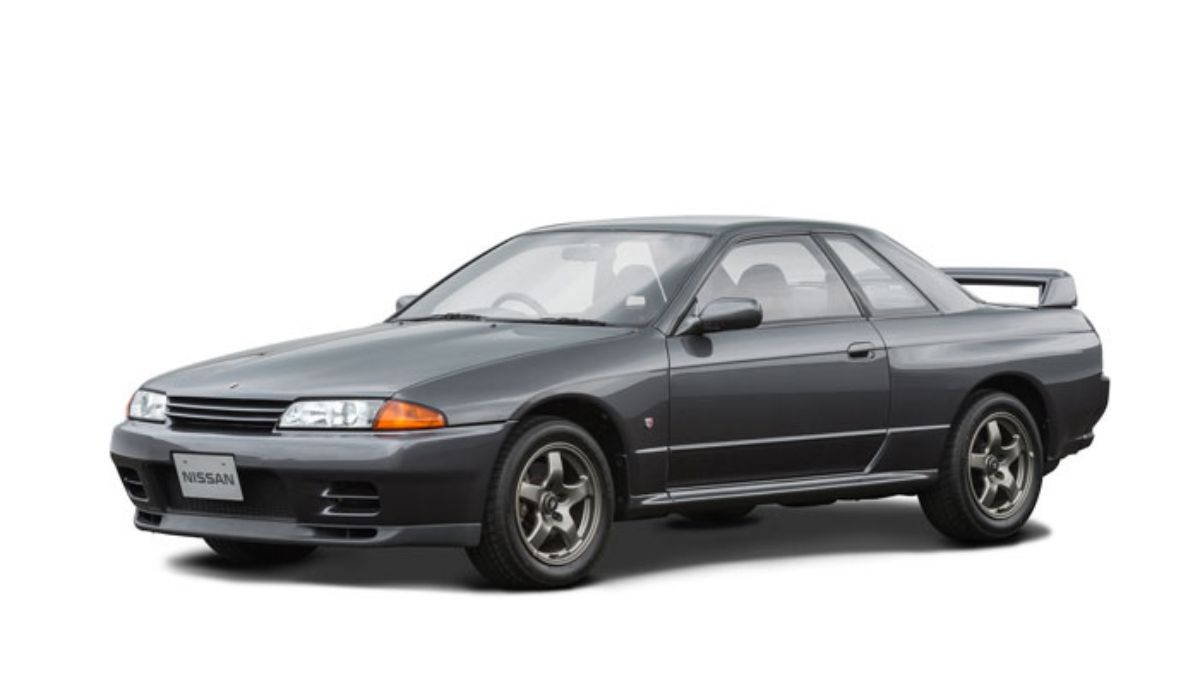
It packed the legendary RB26DETT engine and ATTESA all-wheel drive, a formula that stayed alive through the R33 and finally into the R34. The R33 GT-R was bigger and heavier, but it refined the car’s technology.
The R34 brought it all together with sharper handling, a shorter wheelbase, and futuristic electronics. Still, the GT-R trims were just one part of the R34 lineup. Many Skylines looked similar but carried different engines and drivetrains, offering something for everyone.
Our focus is on the R34 generation, both the base models and the GT-Rs that became automotive royalty.
The R34 Skylines That Weren’t GT-Rs
The most affordable version of the R34 was the Skyline GT, also called the ER34. It came with the RB25DE, a naturally aspirated 2.5-liter inline-six producing around 200 horsepower. This model was rear-wheel drive and came as a coupe or a four-door sedan.
It was smooth and reliable, designed more for daily driving than performance. The ER34 often became a donor car for GT-R styling conversions since the chassis looked almost identical to the GT-R. Its light weight and lower price tag made it a popular entry point into Skyline ownership.

The Skyline GT Four and GT-X filled a different niche. These trims brought all-wheel drive into the non-GT-R world, which made them rare and unique. They often came as sedans and could be powered by the RB25DE or turbocharged RB25DET engines.
The GT Four used the ATTESA all-wheel-drive system, although it was less advanced than the GT-R’s setup.
But they provided traction and stability that appealed to drivers in snowy climates. Today, finding a GT Four or GT-X in good condition is increasingly difficult, making them hidden gems in the Skyline lineup.
R34 GT & GT-T: The Accessible Skylines
The R34 generation introduced a range of trims that made the Skyline more accessible without sacrificing its balance of performance and style.
Positioned below the GT-R, the R34 GT and GT-T offered drivers both naturally aspirated and turbocharged options depending on their needs and budget.
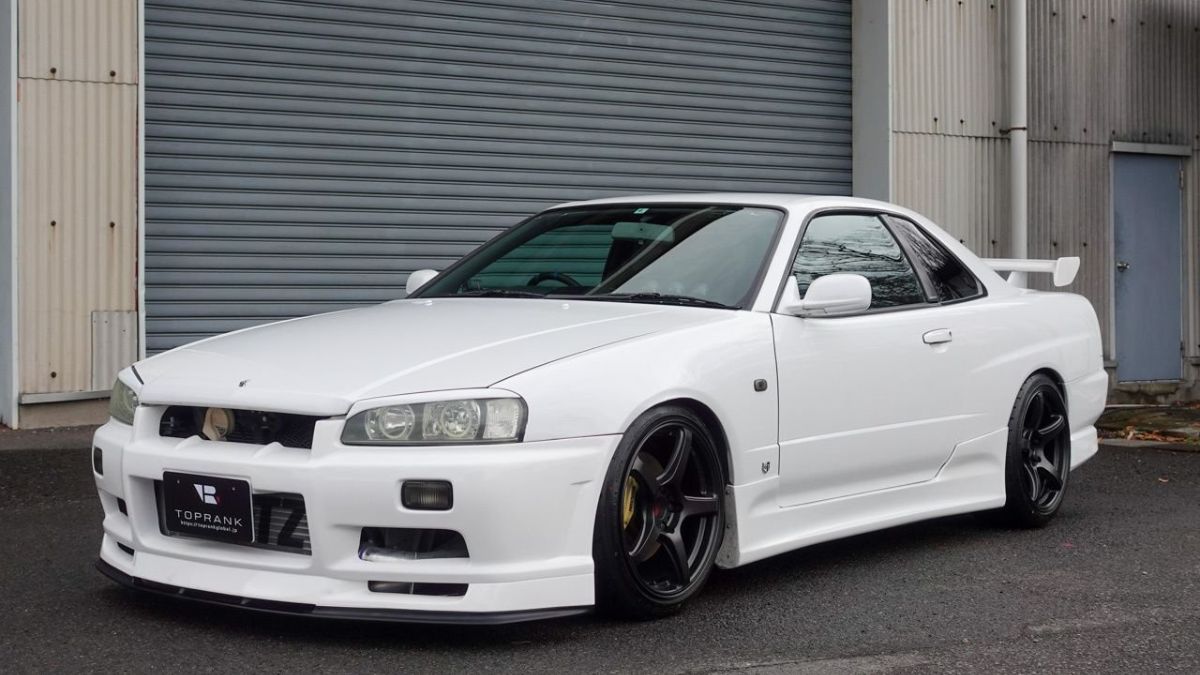
The R34 GT came equipped with either the 2.0-liter RB20DE or the 2.5-liter RB25DE NEO inline-six engine. Both were naturally aspirated and produced between 155 and 197 horsepower.
While not turbocharged, these engines delivered smooth, reliable performance with the refined sound and balance that made the RB series famous. Available in coupe and sedan body styles, the GT featured rear-wheel drive and a comfortable suspension setup, making it ideal for daily use or light tuning.
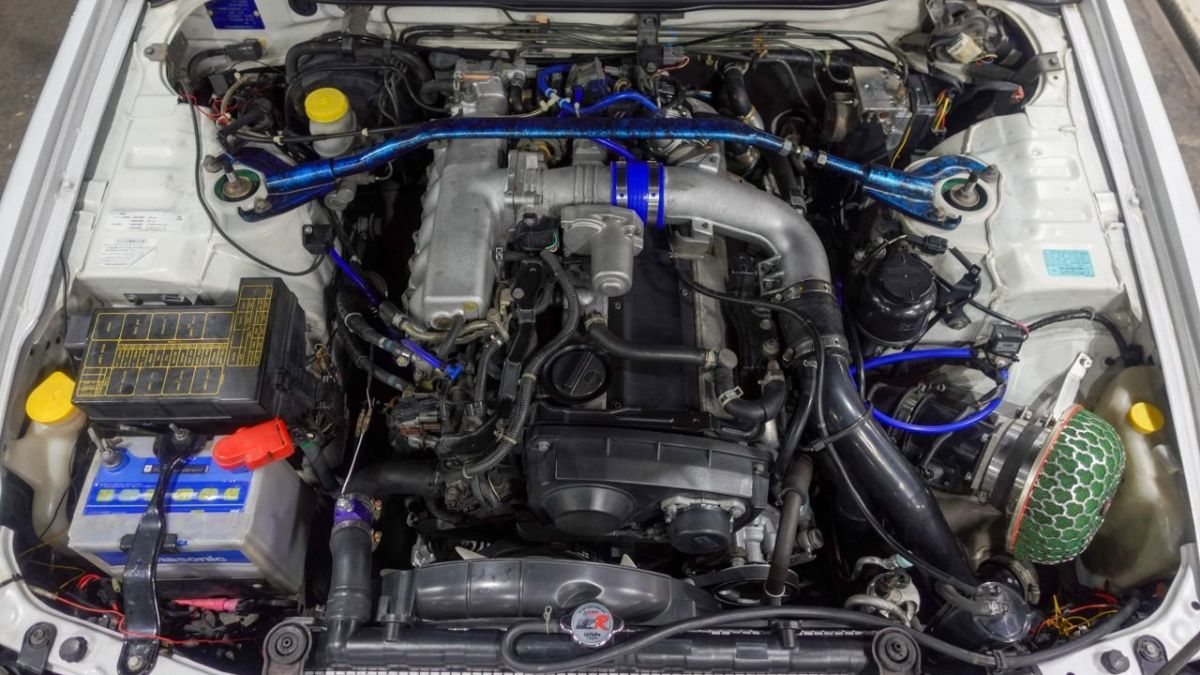
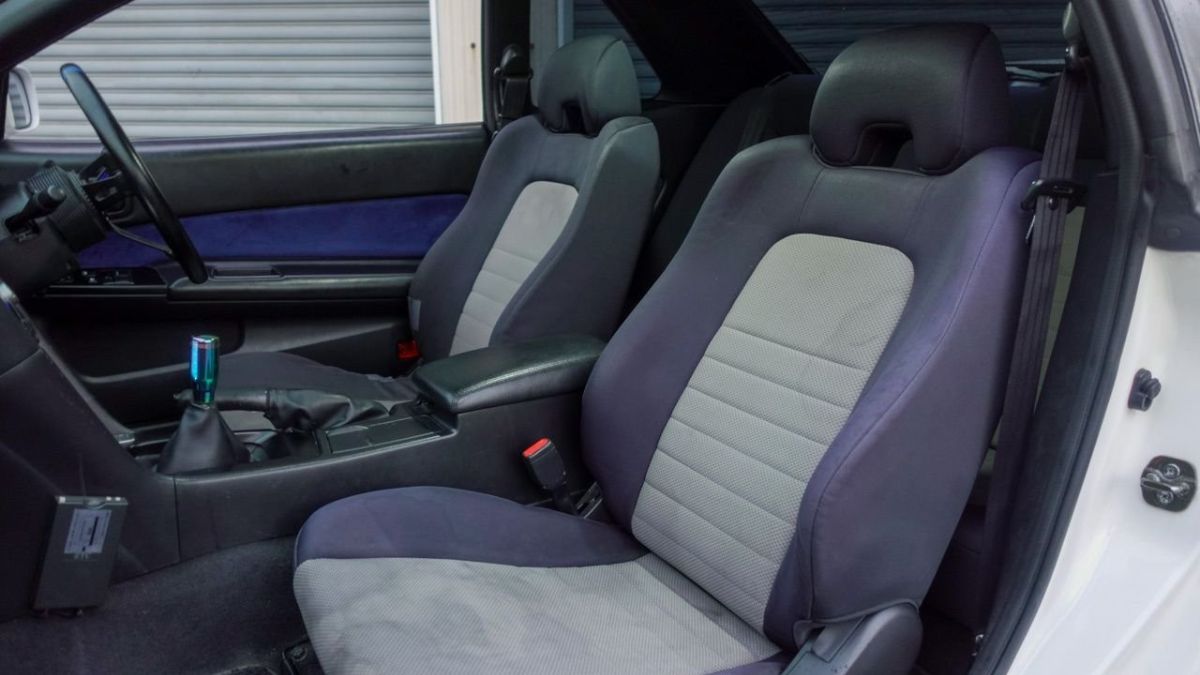
The Skyline GT-T, also under the ER34 chassis code, was a different beast. It came with the RB25DET NEO, a turbocharged 2.5-liter inline-six that pushed out 280 horsepower.
The “NEO” engine featured variable valve timing and improved fuel efficiency while meeting stricter emissions standards. Buyers could choose between a five-speed manual or a four-speed automatic transmission.
The GT-T was rear-wheel drive but included a limited-slip differential, upgraded suspension, and bigger brakes compared to the base GT.
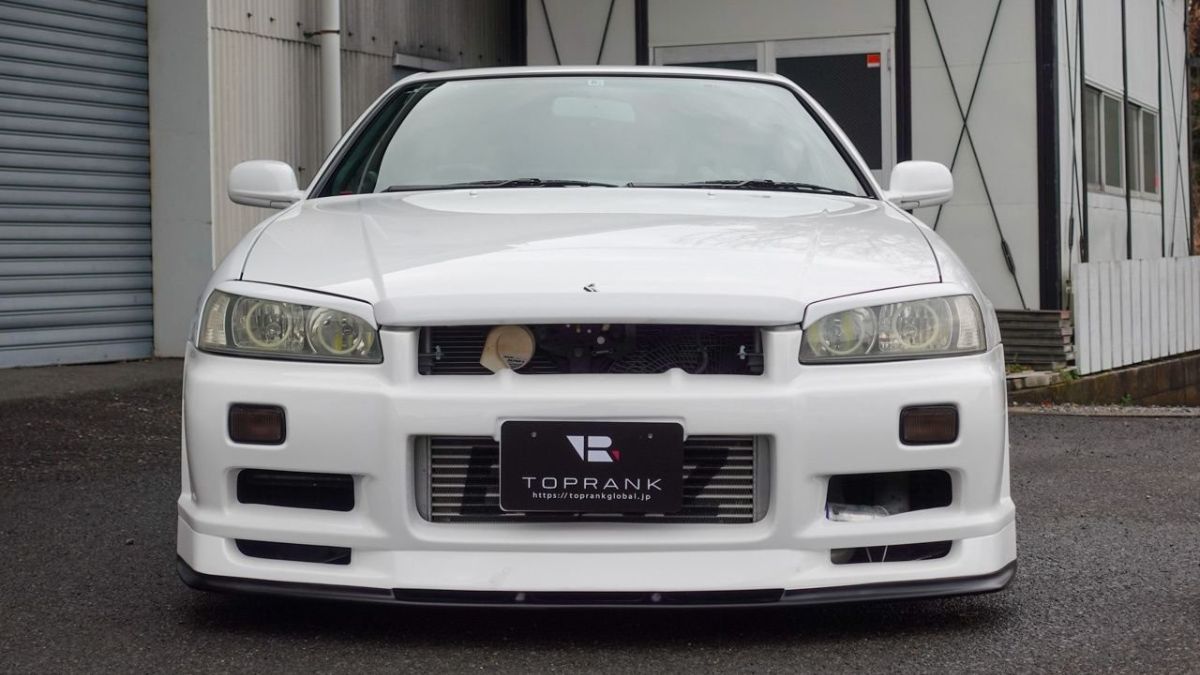
With its balance of power and affordability, the GT-T became a favorite for drift builds and street projects worldwide. It was as close as you could get to GT-R performance without the GT-R badge.
Both trims shared the sleek R34 styling and compatibility with a wide range of aftermarket parts, making them appealing platforms for customization or restoration.
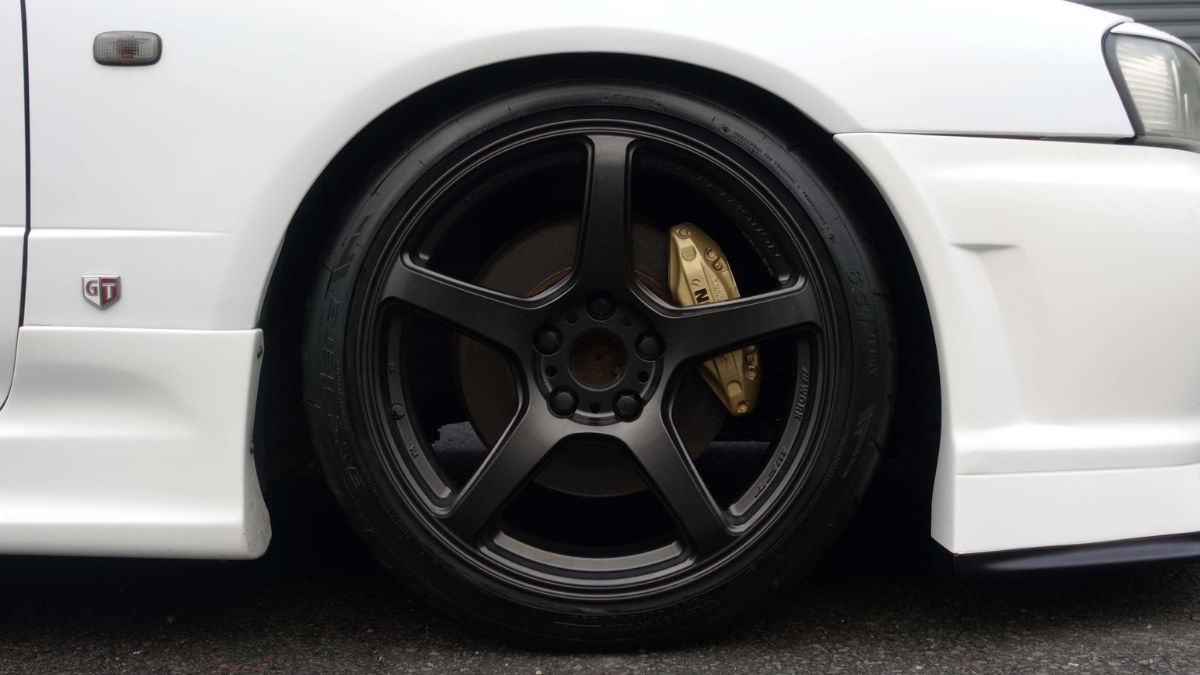
Today, they remain sought after for their balance of drivability, performance potential, and authentic Skyline character.
The R34 GT-R: The Legend Refined
The R34 GT-R debuted in 1999 through 2002 and represented the peak of Nissan’s Skyline performance engineering. Powered by the 2.6-liter twin-turbo RB26DETT inline-six, it produced over 280 horsepower and 392 Nm of torque.
The engine’s true output was often higher, giving the R34 explosive mid-range power and exceptional tuning potential.

Performance was managed by the ATTESA E-TS all-wheel-drive system and an active rear limited-slip differential, allowing precise torque distribution and confident cornering.
Brembo brakes provided strong stopping power, while an integrated aero kit improved stability and downforce at high speeds.
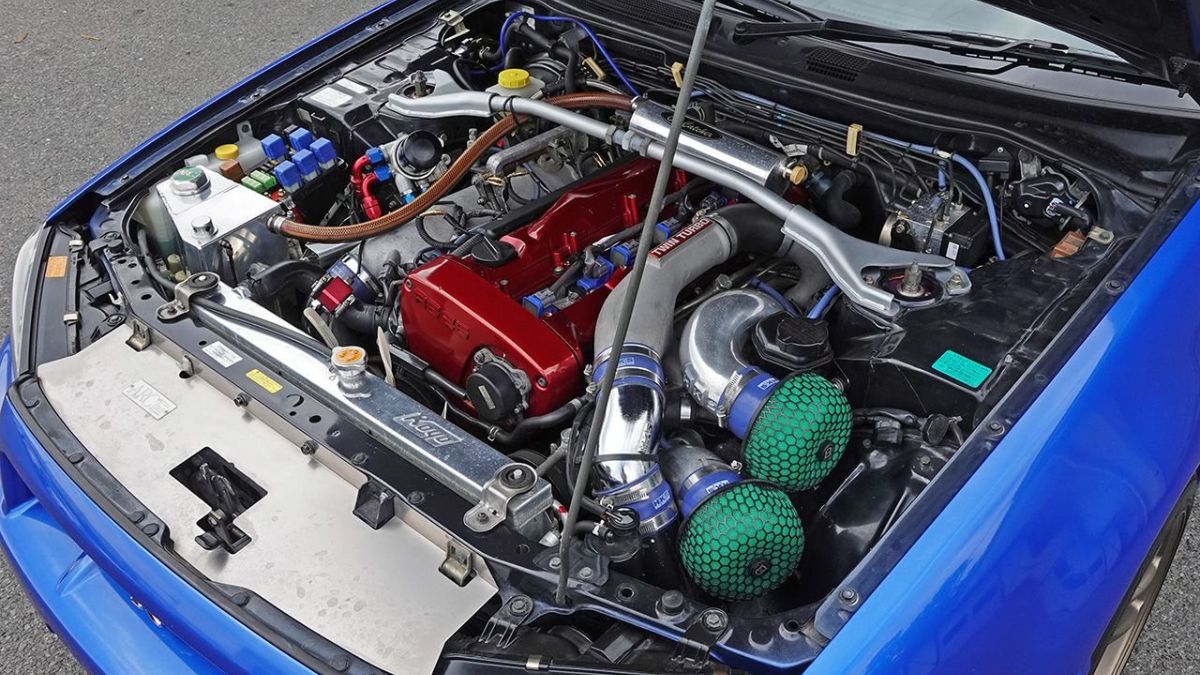
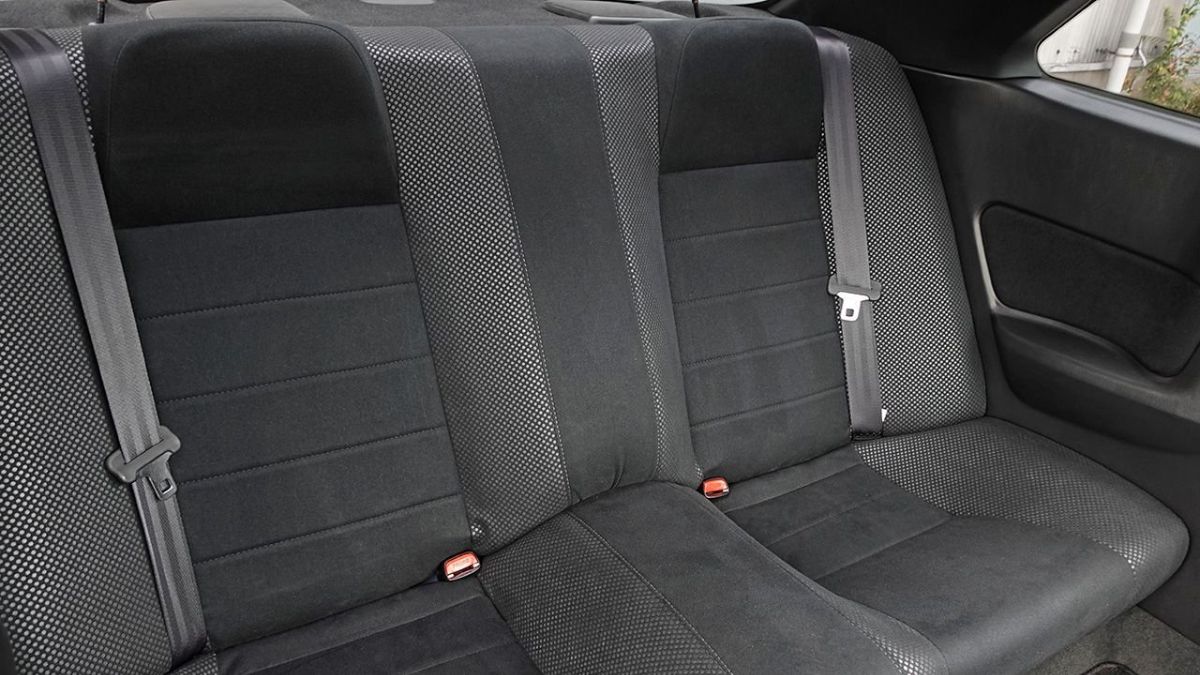
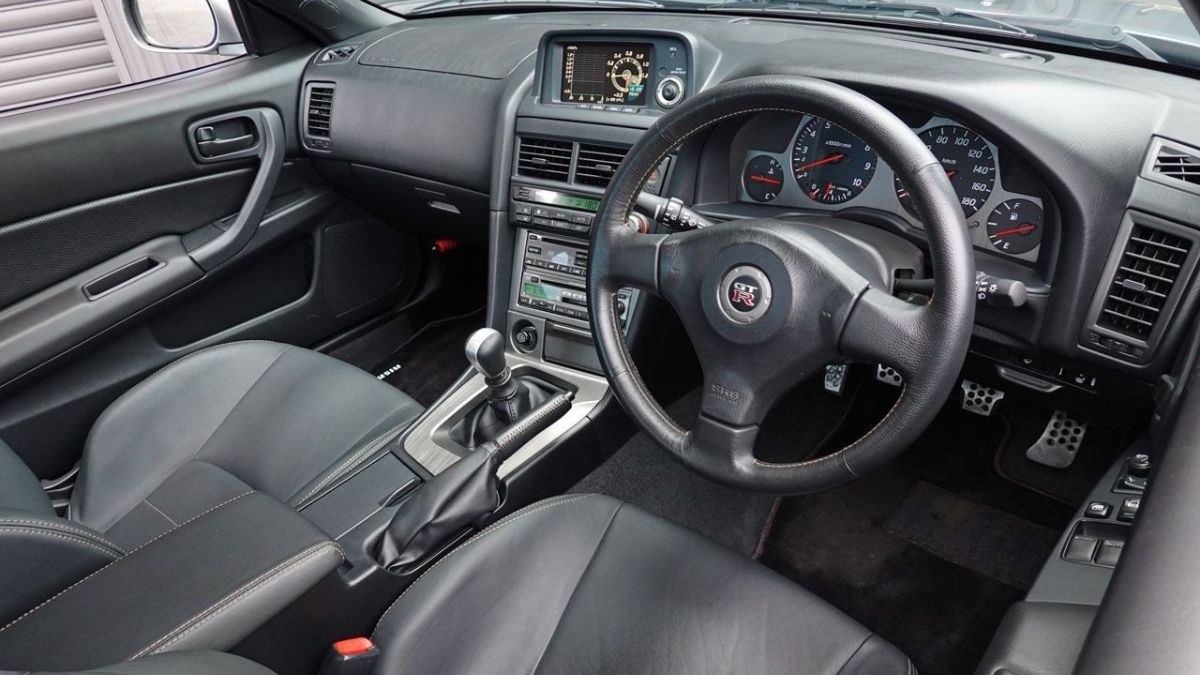
Inside, the R34 introduced a digital multifunction display (MFD) that showed real-time performance data, including boost pressure, oil temperature, and throttle position—technology far ahead of its time.
Combined with a six-speed Getrag manual transmission and sharp chassis tuning, the car offered both precision and control.
Inside the NISMO R34 GT-R
When talking about the R34, it is impossible not to mention NISMO. Short for Nissan Motorsports International, NISMO is Nissan’s in-house performance division, responsible for tuning, racing programs, and creating special production models.
NISMO’s goal was always simple: take Nissan’s strongest platforms and make them sharper, faster, and more exclusive. The R34 Skyline GT-R was no exception, and NISMO released several versions that pushed the car beyond standard factory limits.
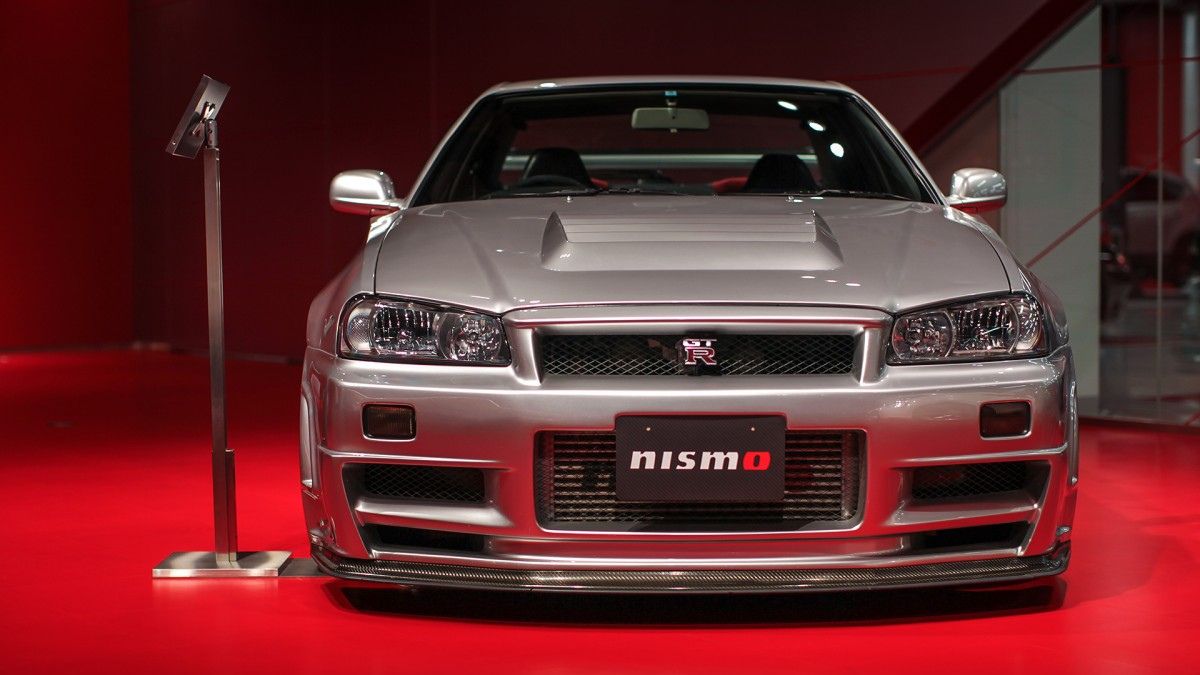
One of the most famous was the NISMO R34 GT-R Z-Tune, often considered the ultimate Skyline. Built in 2003–2005 using hand-picked, low-mileage R34 V-Spec II chassis, only 19 cars were ever completed.
Each car was stripped, reinforced, and rebuilt with a heavily modified RB26DETT engine enlarged to 2.8 liters.
This NISMO-tuned motor produced around 500 horsepower, although it was capable of much more. The Z-Tune also featured upgraded suspension, Brembo brakes, carbon fiber bodywork, and a unique silver paint called Z-Tune Silver.
It was effectively a race car made legal for the street, tested at the Nürburgring, and built to celebrate NISMO’s 20th anniversary.
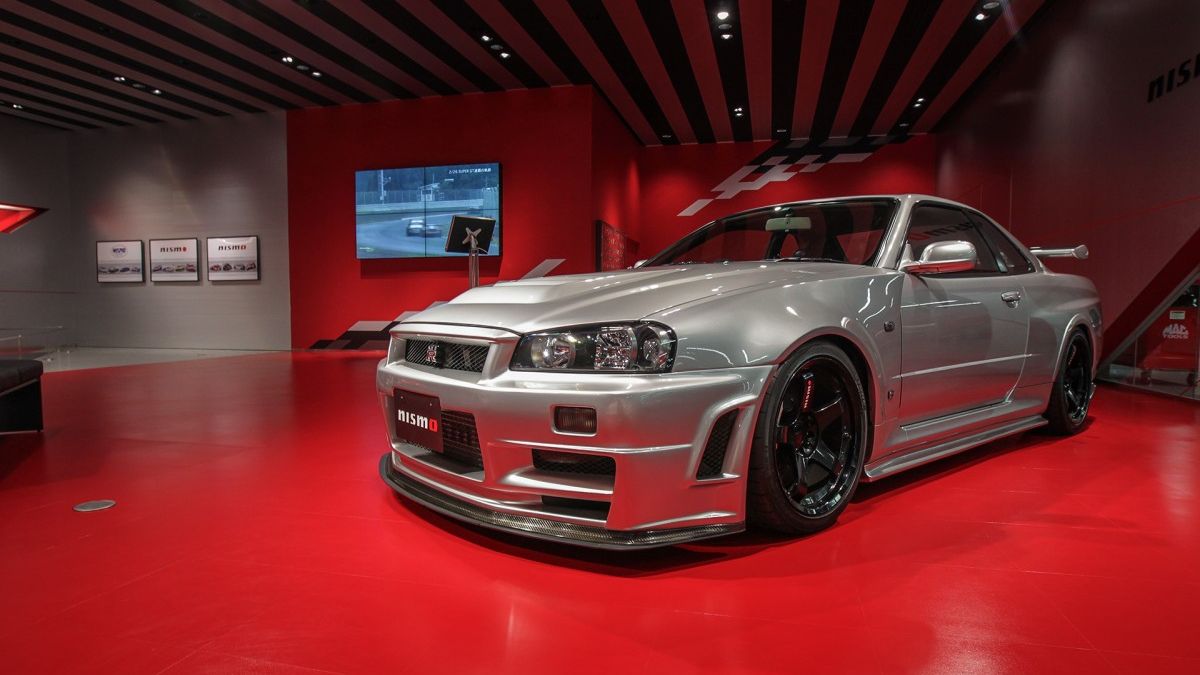
NISMO also created other R34 special editions, such as the NISMO S-Tune and R-Tune models. The S-Tune package included improved aerodynamics, exhaust, suspension, and lightweight parts while keeping the car suitable for everyday use.
The R-Tune was more extreme, offering stronger engine internals, larger turbos, and track-focused upgrades. These packages could be installed by NISMO directly or through their authorized Omori Factory in Japan, where many of the most exclusive builds came to life.
The NISMO R34 GT-R lineup cemented itself as the pinnacle of factory-supported performance. While regular GT-R models were already legends, the NISMO versions turned the R34 into something closer to a supercar.
Collectors today consider these cars some of the rarest and most valuable Skylines ever produced, with the Z-Tune often selling for over one million dollars.
The GT-R Victory Spec Track Upgrades
The V-Spec, short for Victory Specification, launched alongside the base GT-R in 1999. It was built on the standard car with a more aggressive suspension tune and underbody aero designed for downforce.
The highlight was its active rear differential, which gave better grip when cornering at high speeds.
While the power figures remained the same, the V-Spec handled with more precision, making it the choice for track enthusiasts. Externally, subtle differences in trim distinguished it, but the upgrades underneath made it a sharper weapon.
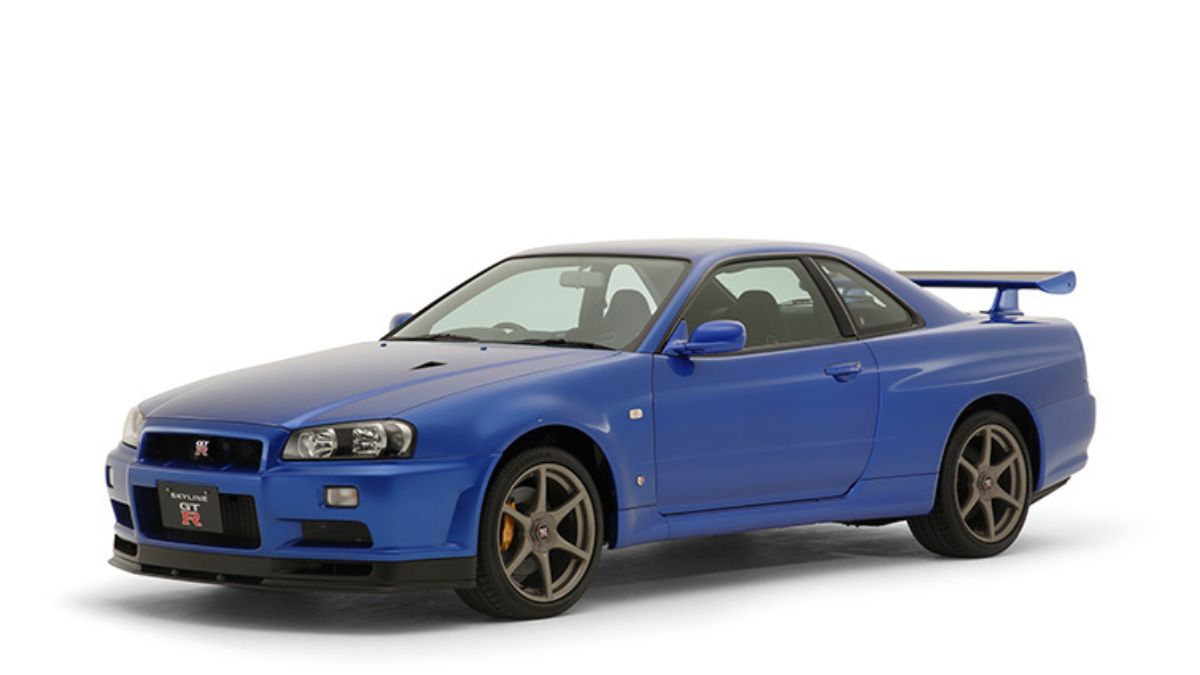
The V-Spec II arrived in 2000 and carried the GT-R further into motorsport territory. It featured an aluminum hood with a functional NACA duct for better cooling. At the rear sat a carbon fiber diffuser, improving aerodynamics and reducing weight.
The suspension was tuned even firmer, making it more track-focused than the original V-Spec. The interior received revised seat materials, keeping the car driver-oriented and performance-ready.
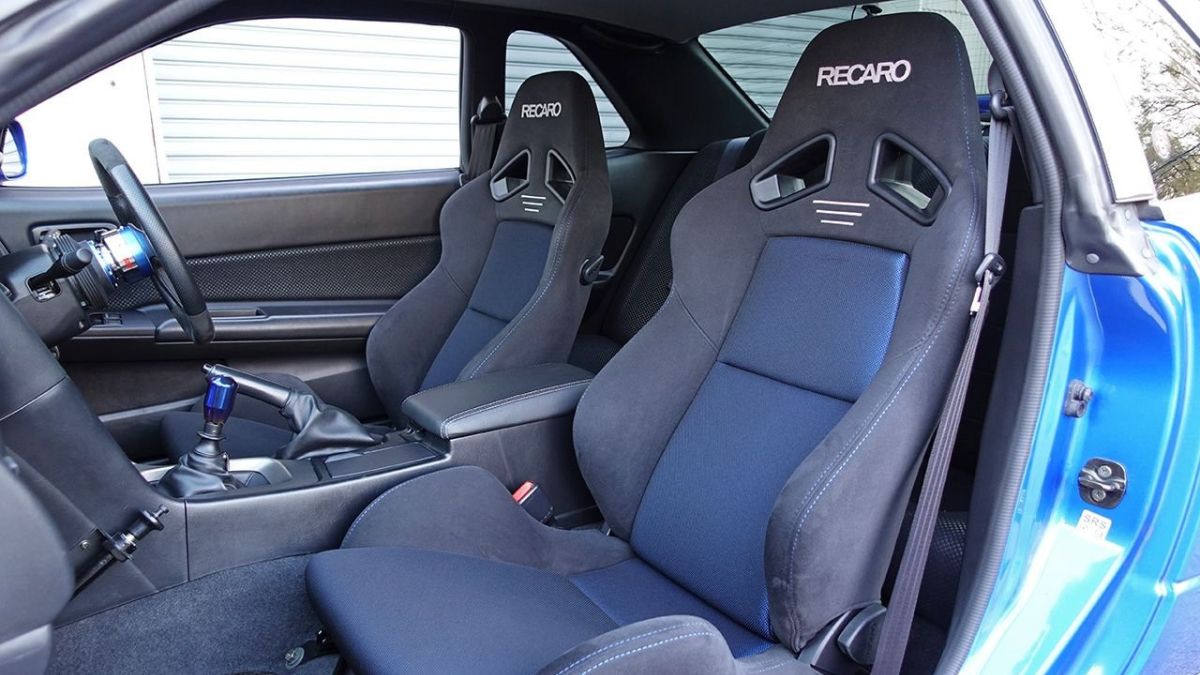
The V-Spec II remained in production until 2002 and is now among the most desirable trims for collectors chasing peak performance without luxury distractions.
Nür Editions Closed the R34 GT-R Era
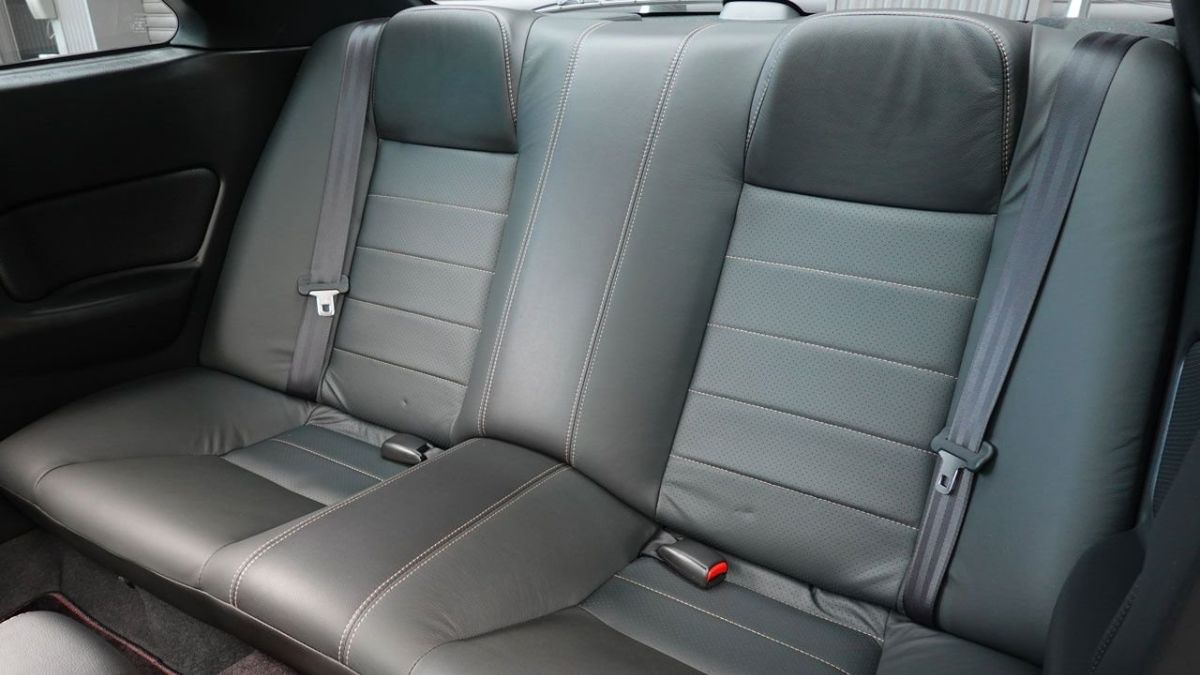
In 2001, Nissan added a new flavor to the GT-R lineup with the M-Spec. Unlike the hardcore V-Spec, the M-Spec was designed for comfort. It featured leather upholstery, heated seats, and a softer suspension tuned for long-distance driving.

The “M” stood for Mizuno, named after Kazutoshi Mizuno, the chief engineer of the GT-R program. Only around 366 units were built, making it one of the rarest trims in the R34 family. It proved the GT-R could deliver both luxury and performance in one package.
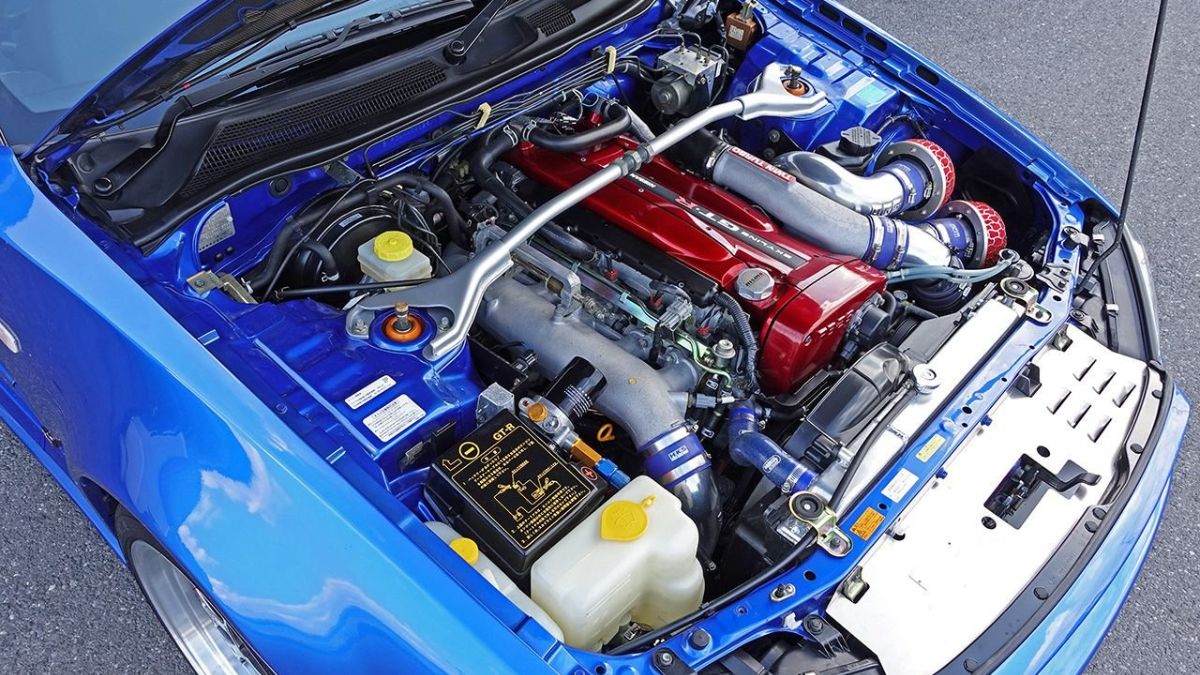
The Nür editions marked the grand finale for the R34 GT-R in 2002. The V-Spec II Nür and M-Spec Nür both featured a specially upgraded version of the RB26DETT, based on the N1 racing block.
This engine included strengthened internals, a reinforced block, and a more durable crankshaft for improved high-RPM reliability.
While power output remained officially unchanged, the Nür engines were built to handle higher stress and longer track sessions. These models represented the peak of R34 GT-R development and remain among the most collectible Skylines ever produced.
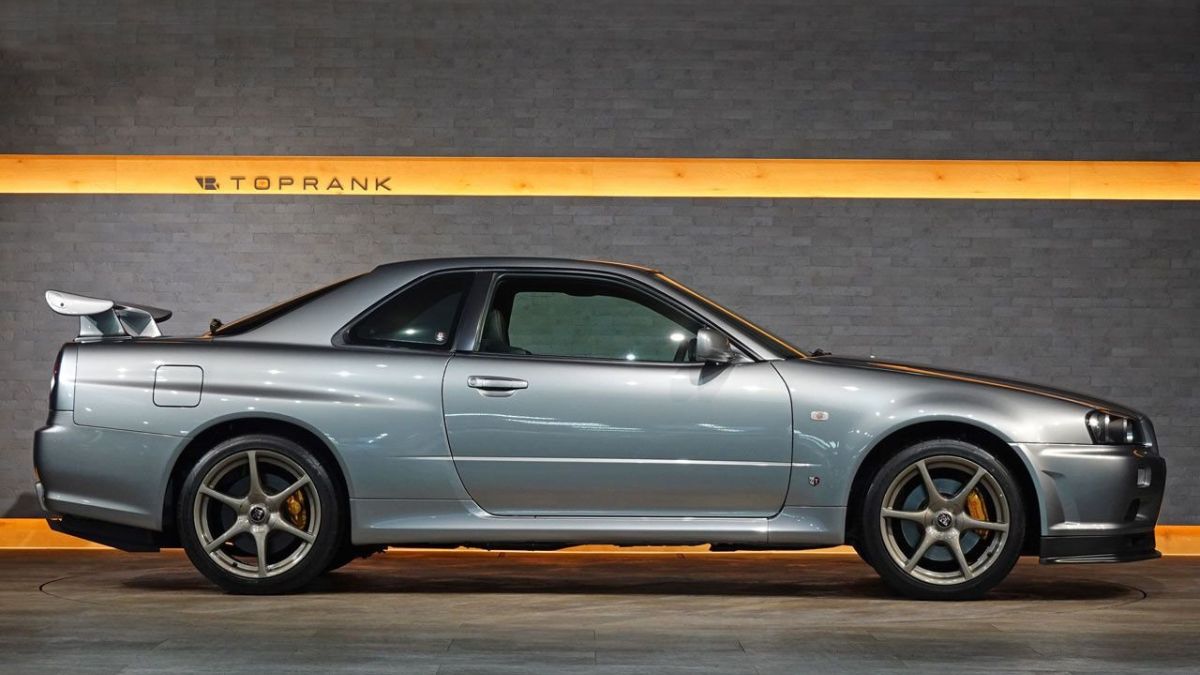
Nissan limited production to about 1000 V-Spec II Nürs and 285 M-Spec Nürs. Special colors like Millennium Jade and Silica Breath made these cars instantly recognizable.
These editions honored the Nürburgring track in Germany, where the GT-R program was extensively tested.
Today, Nür editions are among the most valuable R34s ever built.
The Raw and Rare R34 GT-R N1
The rarest R34 GT-R of all was the N1, built for racing homologation. Only about 45 units left the factory, making it one of the most exclusive Skylines ever made.
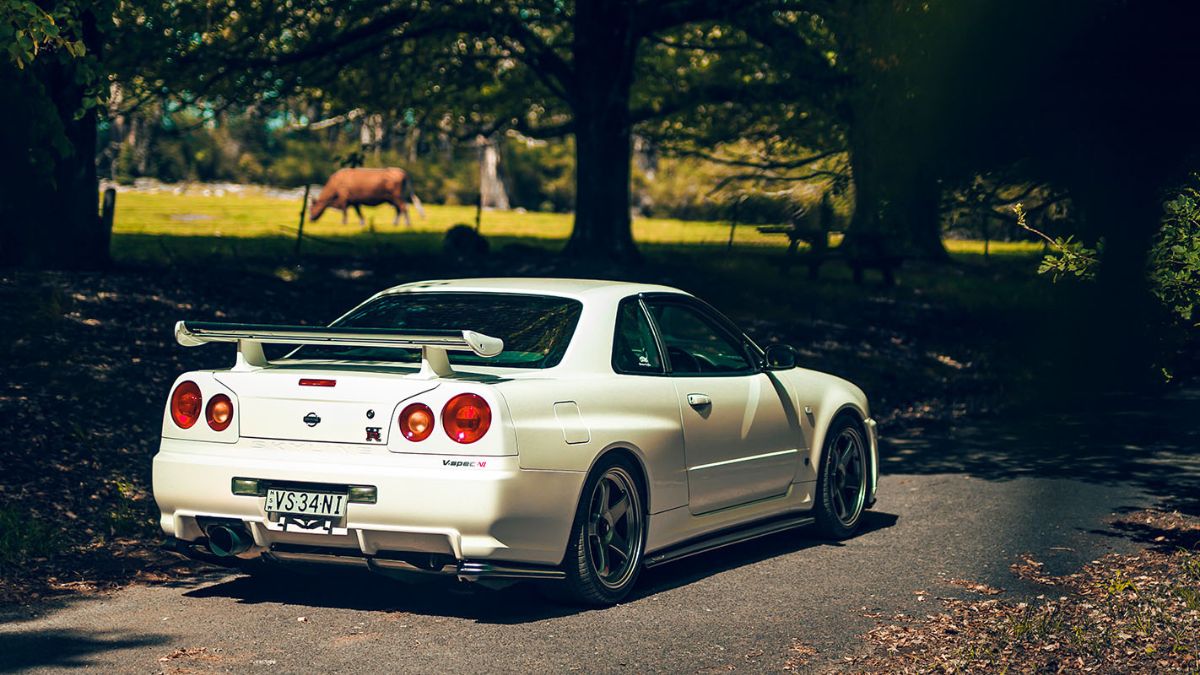
The N1 was stripped of all nonessential equipment—no air conditioning, stereo, or sound insulation—to save weight and focus entirely on performance.

Under the hood sat the RB26DETT N1 engine, a hand-built unit with reinforced internals, balanced components, and improved oil and water pumps designed for endurance racing. Steel turbine wheels replaced the standard ceramic ones for greater reliability under extreme boost and heat.
Visually, the N1 looked similar to a standard GT-R, but beneath the surface, it was lighter, tougher, and engineered for the track.


Most were delivered directly to racing teams or serious privateers, making surviving examples incredibly rare today. Owning one is considered the holy grail of Skyline collecting.
The R34 GT-R Legacy Lives On
The Nissan Skyline R34 family was vast and diverse. From the humble ER34 GT sedan to the raw GT-R N1, every model had its place.
Two decades later, the R34 Skyline remains untouchable in status. It is more than a car; it is a legend carved into automotive history, still chasing hearts and records across the world.

Submit a Tip or Correction
If you spotted an error in one of our stories or want to share additional details, we’d love to hear from you. RōdoHouse also welcomes brands, photographers, and creators interested in partnerships or collaborations.
Contact