

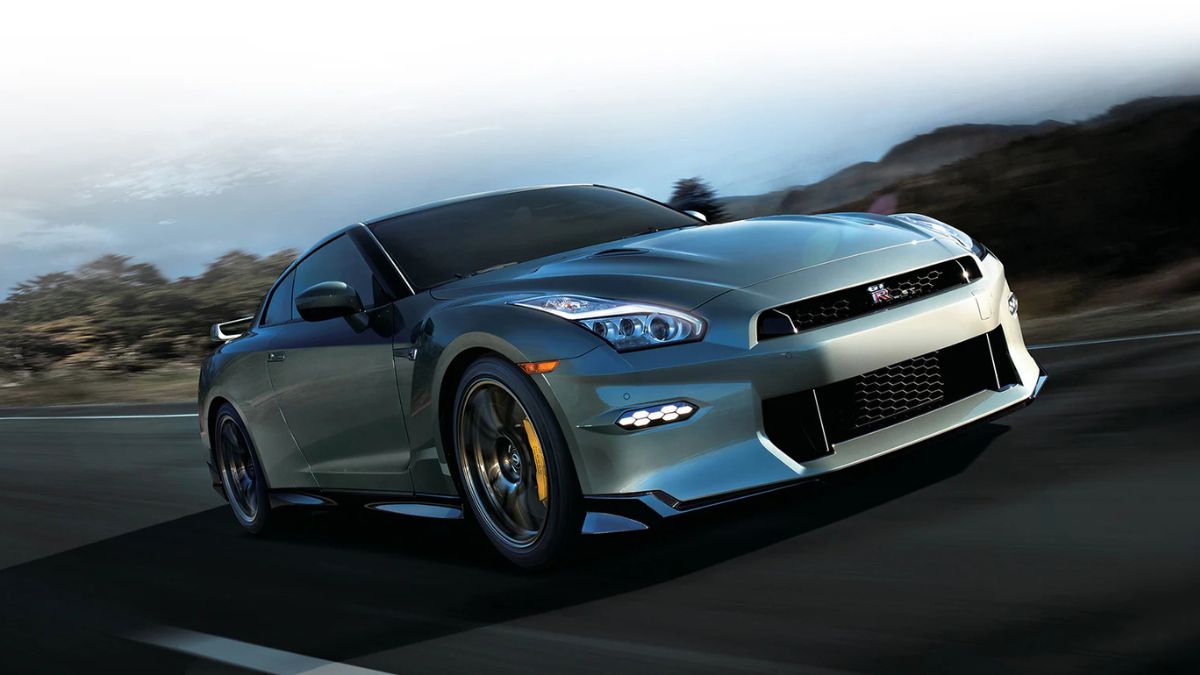
Fans have spent years wondering when the GT-R would return, and Nissan is finally beginning to answer some of those questions. The company recently teased new details about pricing and the future direction of the R36.
As the next generation slowly takes shape, a new rivalry may already be forming in Japan’s performance car scene.
Nissan Quietly Reveals A GT-R Price Point
Nissan executives recently revealed new details about the next GT-R’s price point.
According to Nissan Senior Vice President and Chief Planning Officer for North America, Ponz Pandikuthira, the company wants the R36 GT-R to keep its reputation for offering supercar performance at a more reasonable price.
“A mainstream GT-R can’t be a $200,000 car,” Pandikuthira explained. He also pointed out that the R35 GT-R originally launched at “about $65K or $70K.” With inflation in mind, he added, “If at $120K, $130K, if we can bring out the supercar performance and then have derivatives that go above $200K, that’s a nice offering.”

The comments suggest Nissan wants the next GT-R to stay true to what made previous generations popular. The GT-R became famous for competing with much more expensive supercars while costing far less.
Nissan discontinued the R35 GT-R in August 2025 after nearly 20 years on the market. Since then, the company has slowly started sharing information about its successor.
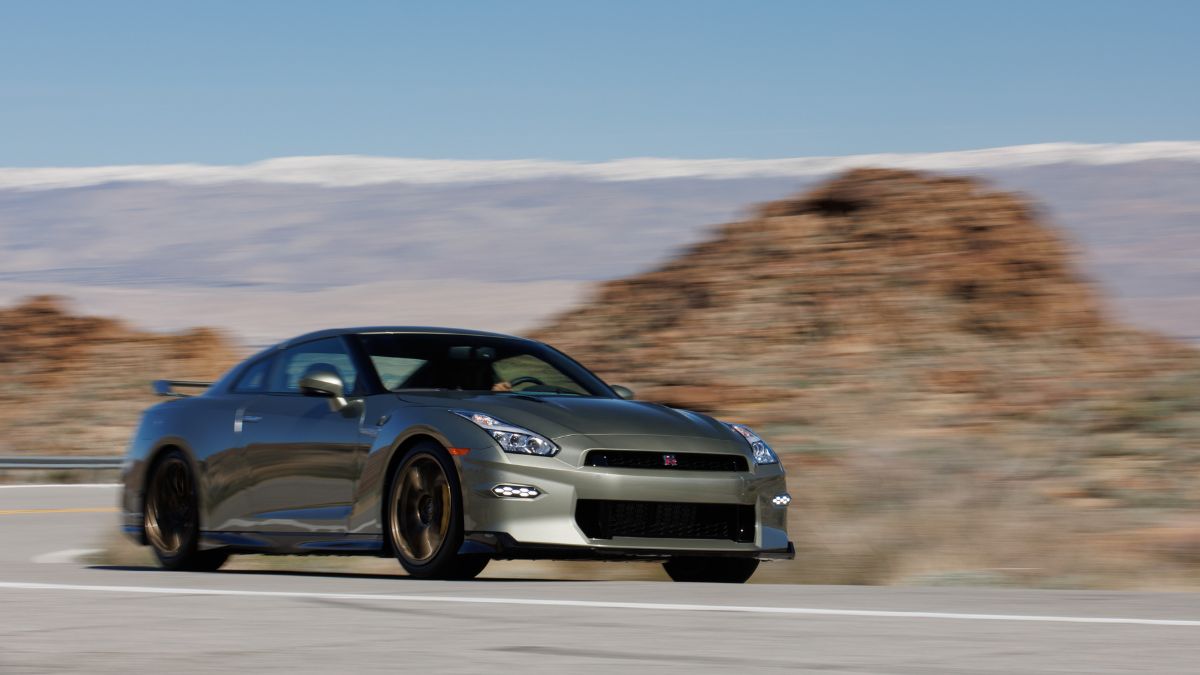
Pandikuthira confirmed that Nissan already has a team developing the next GT-R, but the company is taking its time with the project.
Nissan says development of the R36 will take around three to five years. That means fans likely will not see the car arrive until the end of the decade or possibly the beginning of the next one.
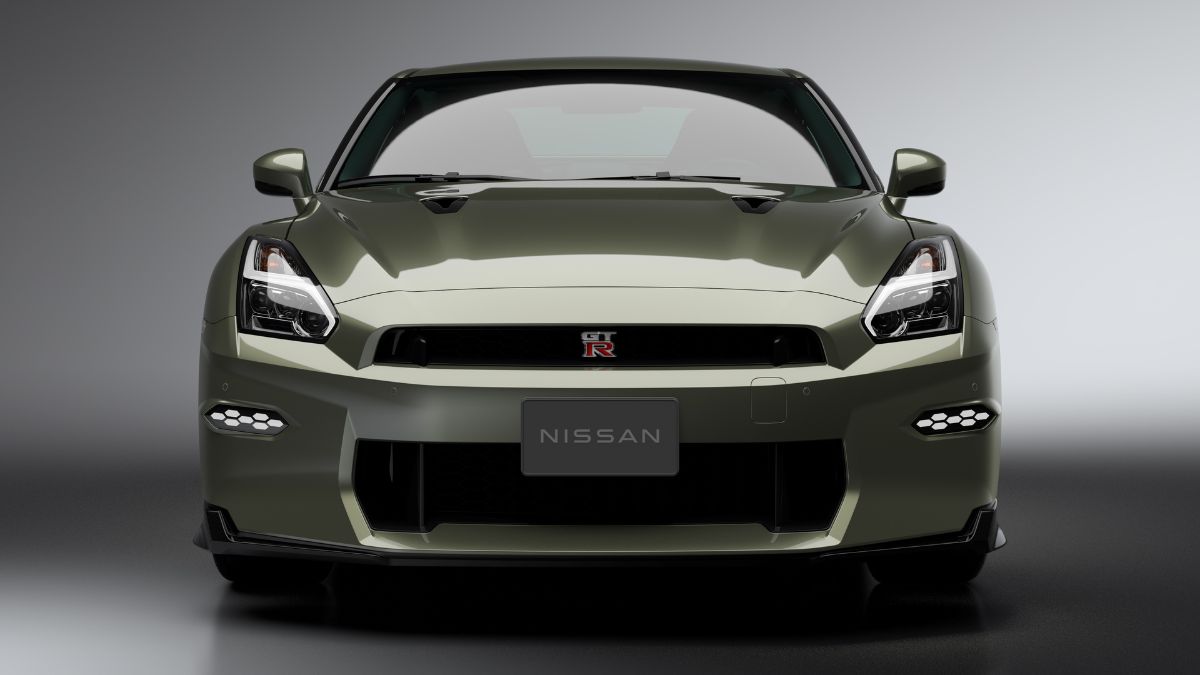
Executives have repeatedly said they do not want to rush the next GT-R.
“It has to be authentic,” Pandikuthira said while discussing the future of the GT-R. He explained that Nürburgring performance, all-wheel drive, and supercar-level speed at a lower price are all key parts of the GT-R identity.
Hybrid Power And Advanced Engineering Shape The R36
Nissan has already confirmed that the next GT-R will use a hybrid powertrain. The company decided not to make the R36 fully electric because executives believe current EV technology still cannot deliver the type of driving experience expected from a GT-R.
“No, electric, I don’t think you’ll deliver with the technology that we have now, or even with solid state, the kind of performance that’s expected out of a GT-R,” Pandikuthira said.
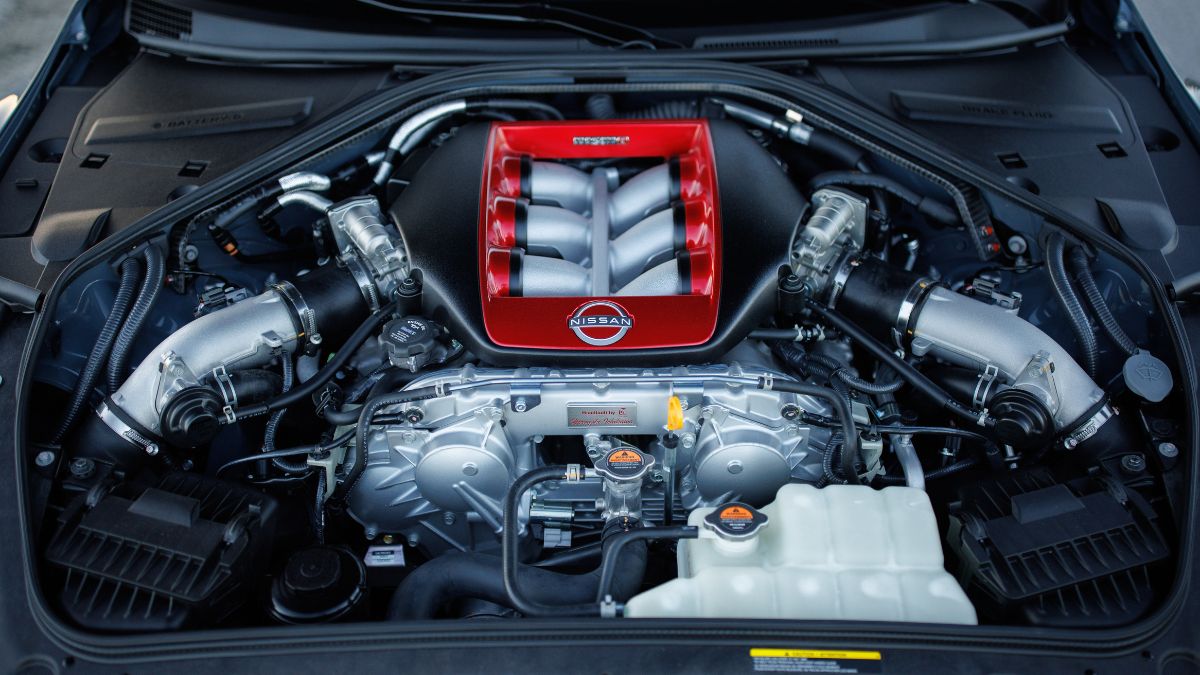
The next GT-R uses Nissan’s 3.5-liter twin-turbocharged V6 engine, which currently powers the Armada. Nissan refined the engine to meet emissions regulations through 2032, making it an important part of the company’s future plans. Pandikuthira also confirmed that the next GT-R will “absolutely” remain turbocharged.
Nissan believes the hybrid system will improve performance while keeping the aggressive character GT-R fans expect.
The company wants the car to handle long track sessions and spirited driving without losing the raw feeling that made previous GT-R models famous.
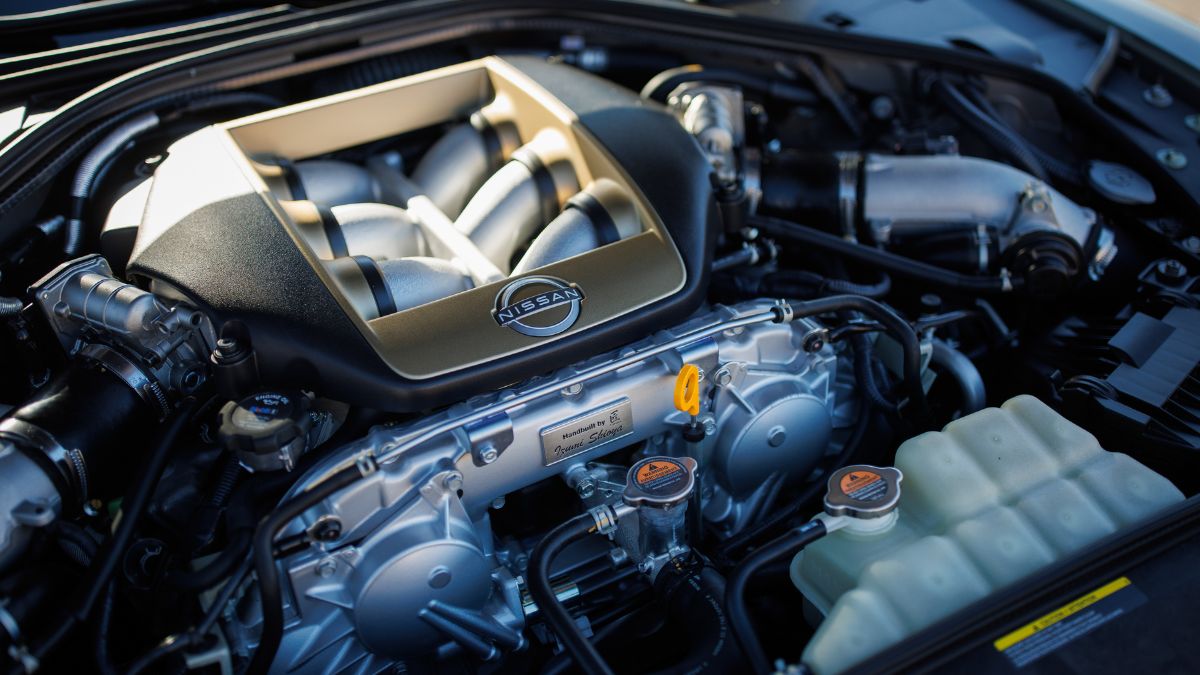
The R36 is also expected to continue Nissan’s Takumi engine-building tradition. During the R35 era, a small group of master technicians hand-built every GT-R engine.
That program continued building replacement engines and parts after production ended, while also training new apprentices.
The Next GT-R Faces Serious Competition From Toyota’s GR GT
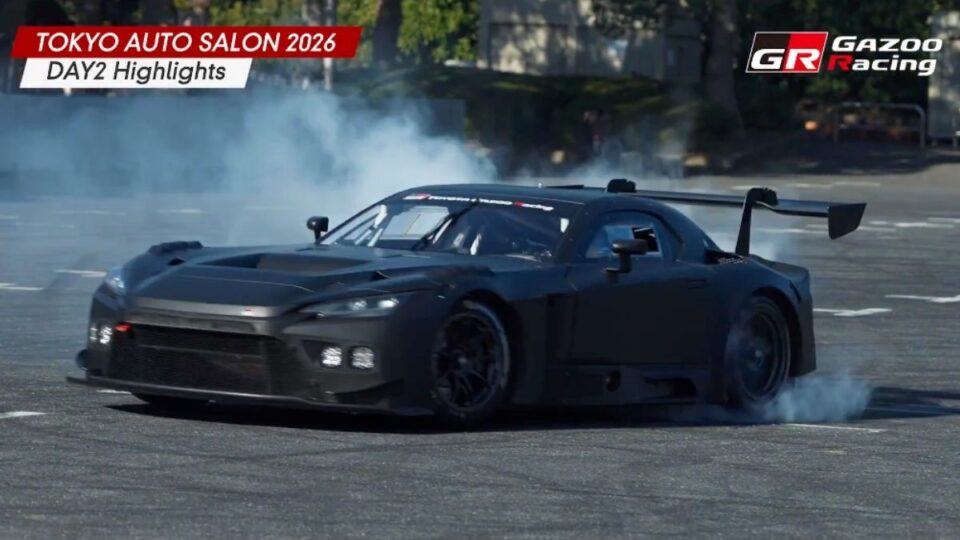
When the next GT-R arrives, it could face strong competition from Toyota’s new GR GT. Toyota recently showcased the GR GT and GR GT3 at Tokyo Auto Salon, where both cars performed live demonstrations that included drifts, burnouts, and high-speed runs.
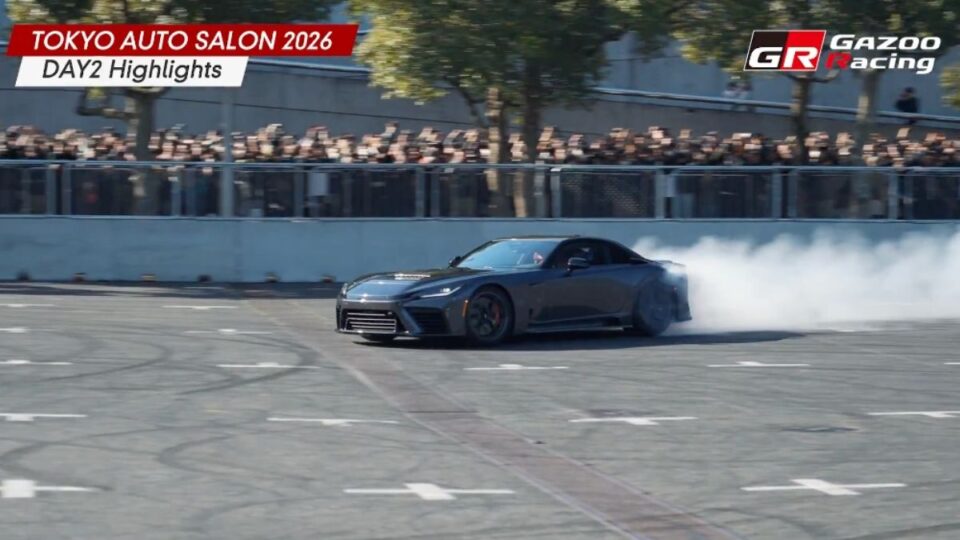
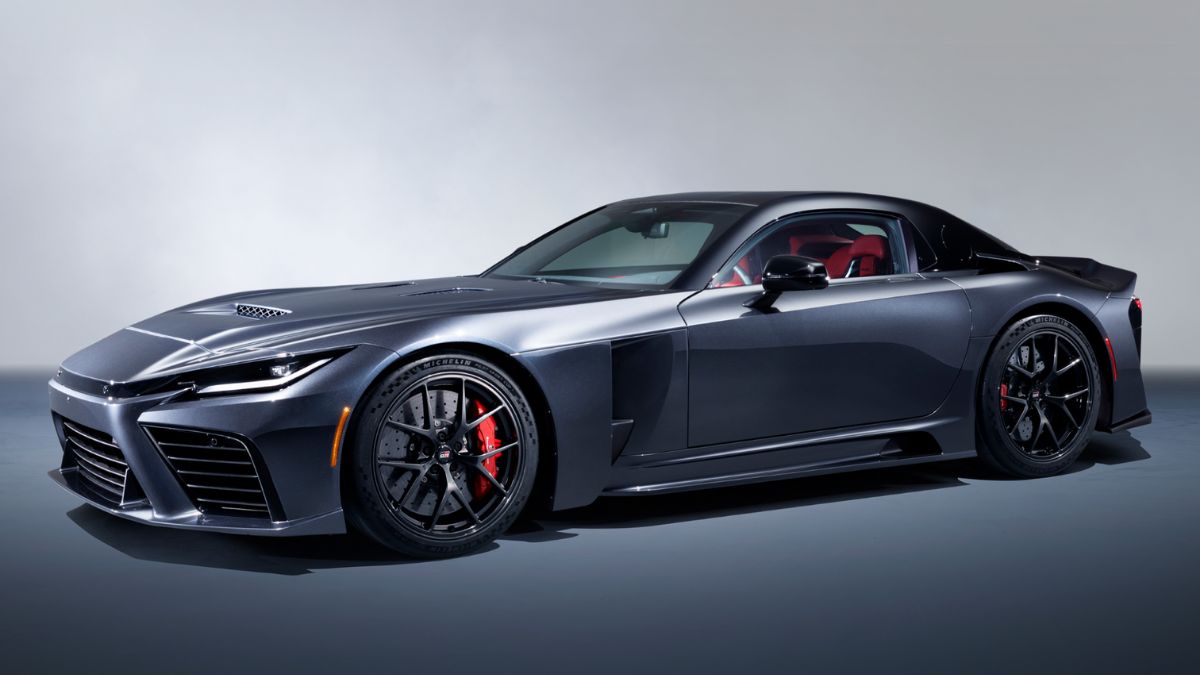
The GR GT is Toyota Gazoo Racing’s new flagship road car and is considered the spiritual successor to the Lexus LFA. Like the upcoming GT-R, it uses a hybrid powertrain.
Toyota confirmed the GR GT features a hybrid twin-turbocharged V8 engine paired with a new eight-speed automatic transmission and a rear transaxle setup designed to improve weight distribution.
The GR GT also uses Toyota’s first all-aluminum chassis along with carbon fiber reinforcement throughout the car. Engineers focused heavily on aerodynamics, cooling, and lowering the center of gravity to improve handling and stability at high speeds.
The car also features Michelin Pilot Sport Cup 2 tires and large performance brakes.
The GR GT3 takes things even further by removing the hybrid system and focusing entirely on racing performance. It features more aggressive aerodynamics, wider bodywork, and FIA GT3 race car specifications.
Although Toyota has not officially announced pricing, many enthusiasts believe the GR GT could compete in a similar range as the next GT-R.
If that happens, the two Japanese performance cars could become direct rivals once they finally reach the market.
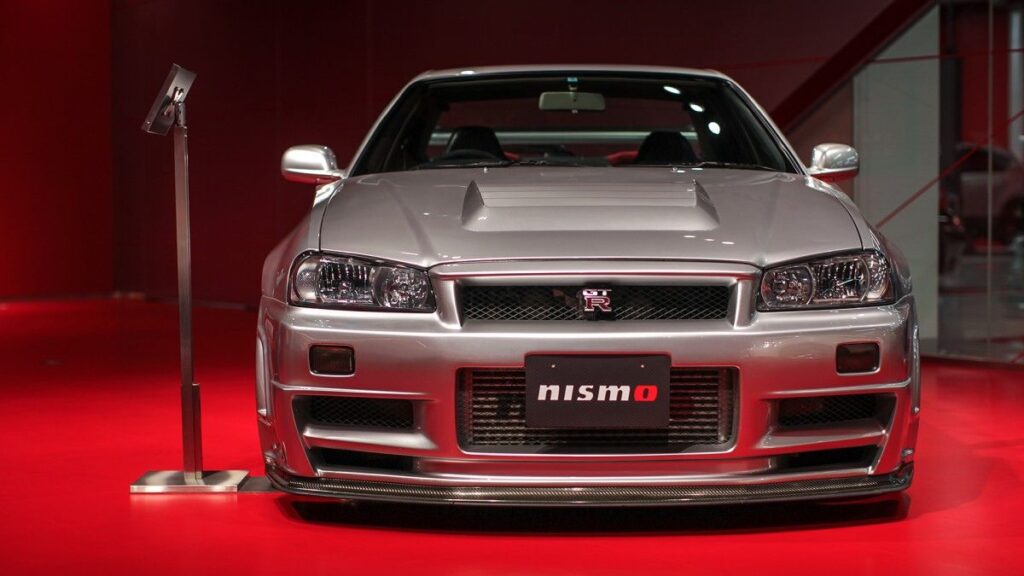
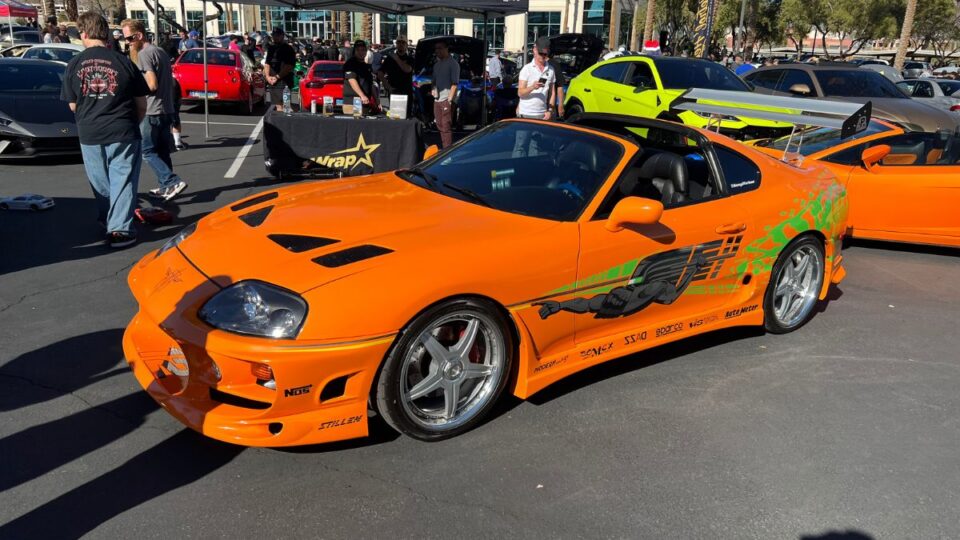
The growing rivalry already reminds many fans of the legendary competition between the Mark IV Supra and the R34 GT-R during the 1990s.
Both upcoming cars aim to combine modern technology, performance, and strong connections to Japanese car culture.
In the end, enthusiasts will decide which car comes out on top. Nissan is betting that the GT-R’s history, performance reputation, and more accessible pricing will help Godzilla remain one of the most respected names in the performance car world.

Submit a Tip or Correction
If you spotted an error in one of our stories or want to share additional details, we’d love to hear from you. RōdoHouse also welcomes brands, photographers, and creators interested in partnerships or collaborations.
Contact