

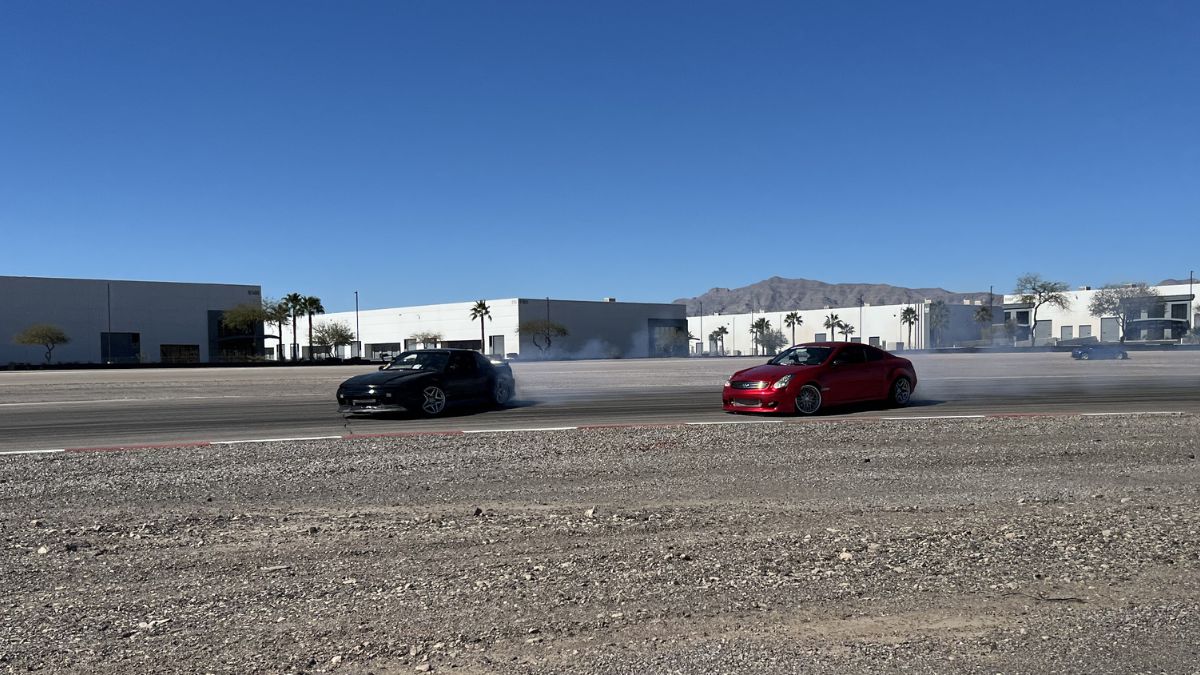
Drifting may look chaotic, but every move on track follows an unspoken drifting rule that everyone follows. When drivers break this universal rule, things can go wrong fast. This one rule separates smart driving decisions from costly mistakes.
Drifting Welcomes Everyone, But One Rule Stands Above The Rest
Drifting as a sport is open to nearly anyone who wants to get behind the wheel and learn. At events like Vegas Drift, drivers of all skill levels bring different platforms to the track, all sharing the same goal of improving and having fun.
Even in such an open and welcoming setting, there is one rule that drivers consistently stress. No tandem drifts with random people.
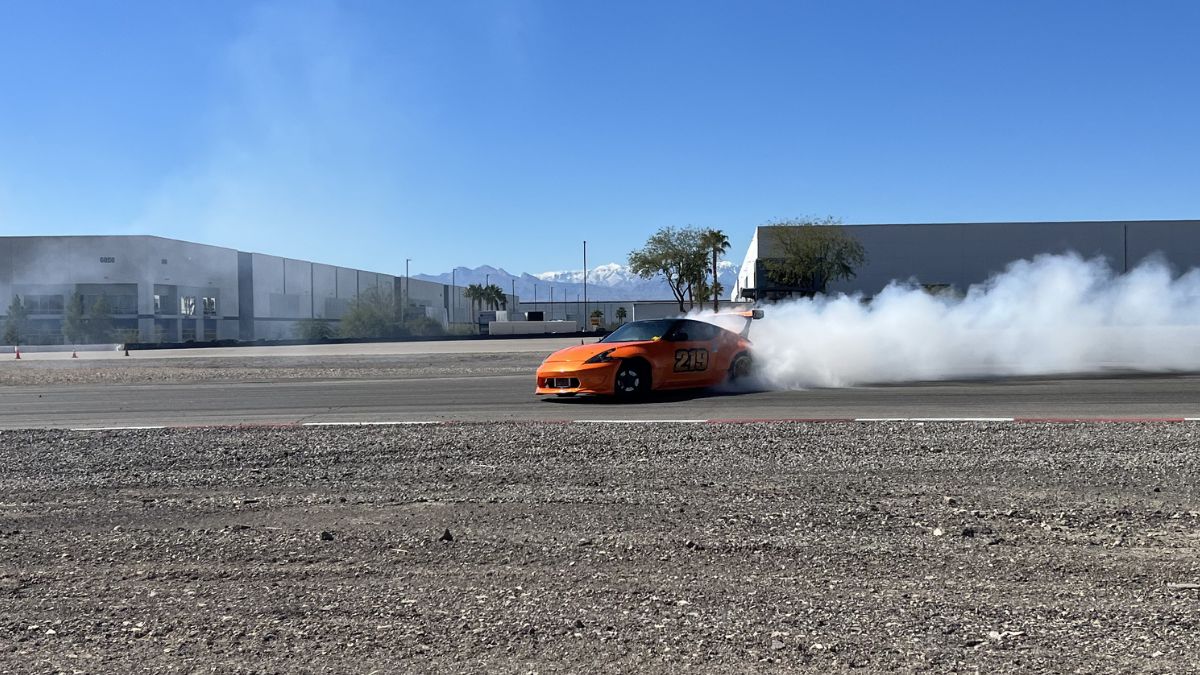
Tandem drifting, often called a “tando,” involves two drivers sliding together in close proximity, with one leading and the other following, trying to close the gap as much as possible. It is one of the most exciting parts of drifting to watch, but it is also one of the most difficult to execute.
For experienced drivers like Mark Ranier Dalisay, also known as Gyroe, this is not something taken lightly. “Ideally, it’s consensual, right? Like, you want to know that you’re in a tandem if you’re tandeming,” he said.
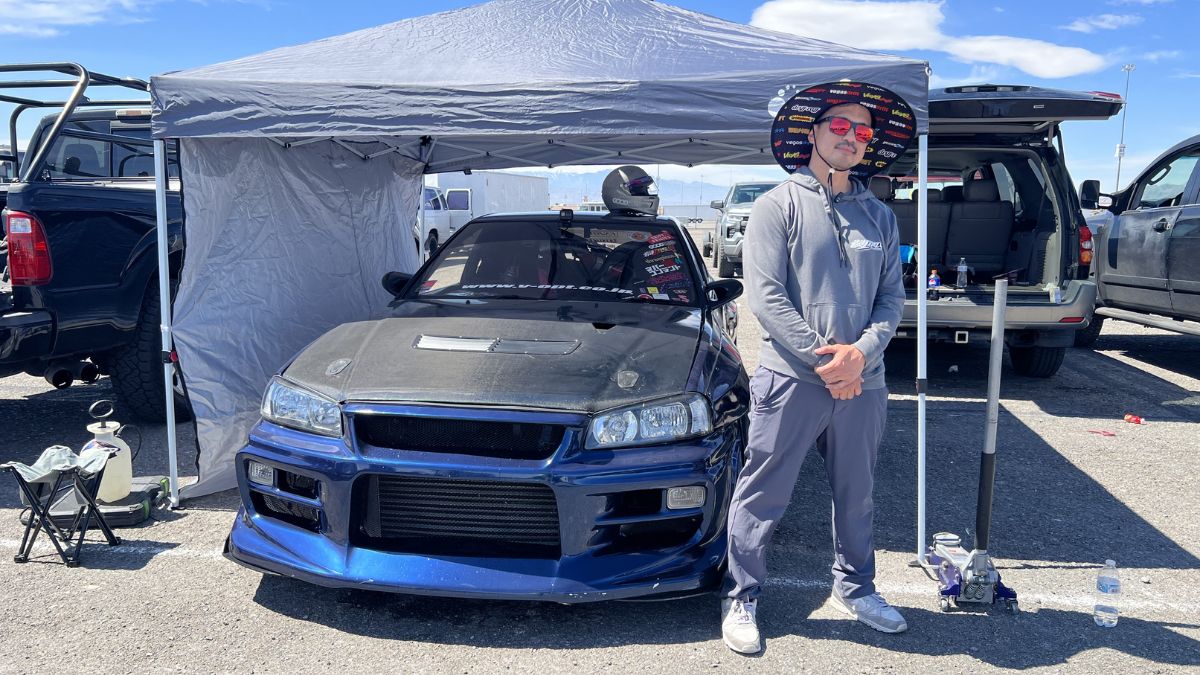
That mindset comes from experience. Tandem drifting requires a high level of trust between drivers. Each person needs to know how the other drives, how they transition, and how they react under pressure. Without that understanding, the risk of contact increases quickly.
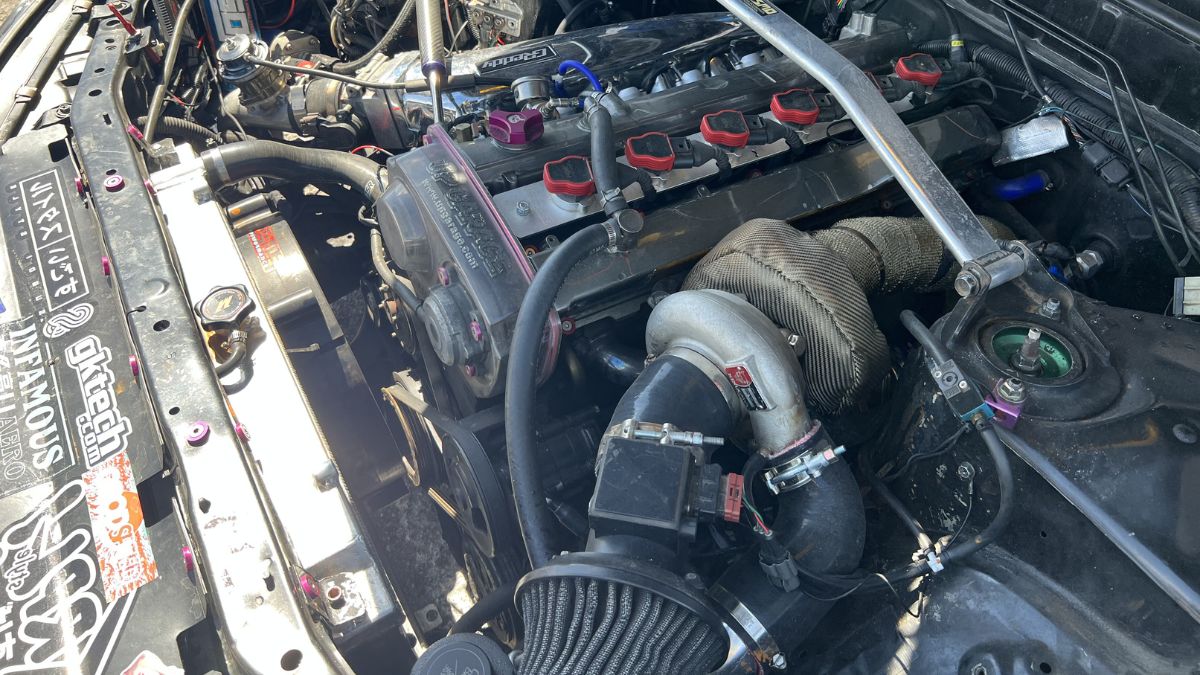
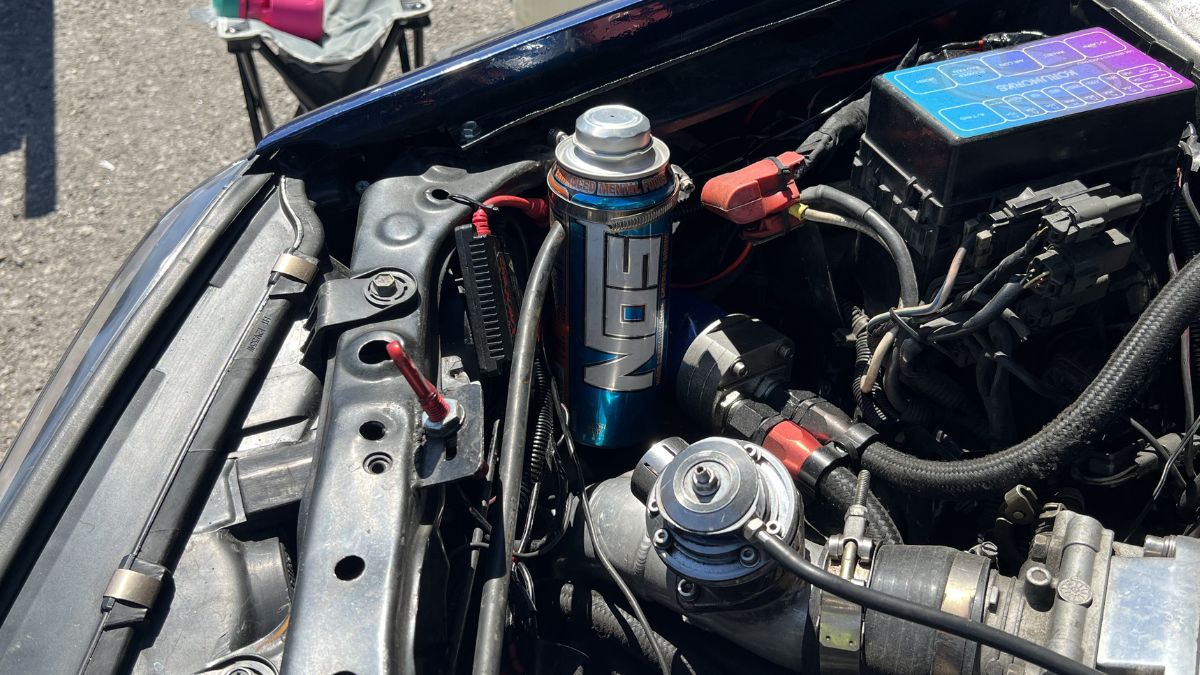
Michael Barbosa, also known as Bosa, shared a similar perspective as an experienced driver. “You jump in with somebody else, and you mess up somebody else’s car because they don’t know you’re there. That’s a bad time,” he said.
Unlike solo drifting, where a mistake might only affect one driver, tandems put two cars at risk at the same time. A small miscalculation in speed or angle can lead to a collision. On a grassroots level, that can mean damaged cars, lost track time, and costly repairs.
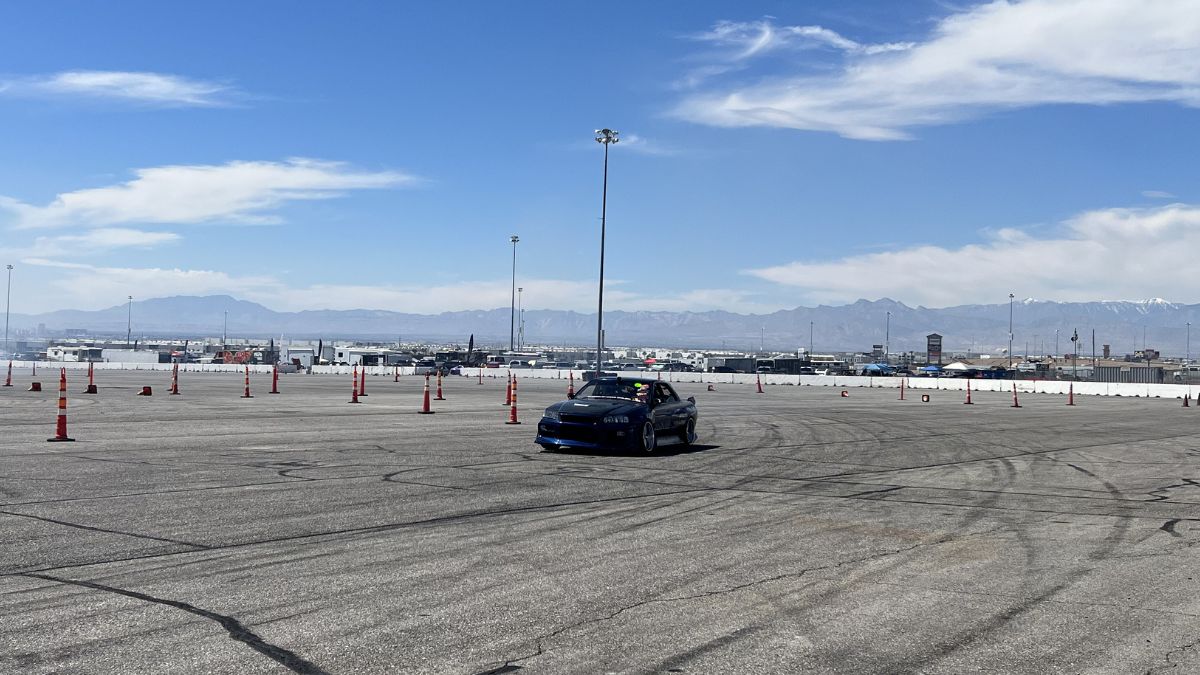
This is why experienced drivers avoid jumping into tandems with people they do not know to minimize any accidents, which is always a guarantee in drifting.
As Gyroe simply puts it, “That’s expected. You go into that mindset that you’re gonna possibly crash. It’s not if, it’s when.” That reality makes communication, familiarity, and trust critical before ever attempting a tandem run.
The Real Planning Before A Tandem Drift Starts
Learning to tandem is done way before cars are even on the track. Drivers communicate, set expectations, and decide who will lead and who will follow.
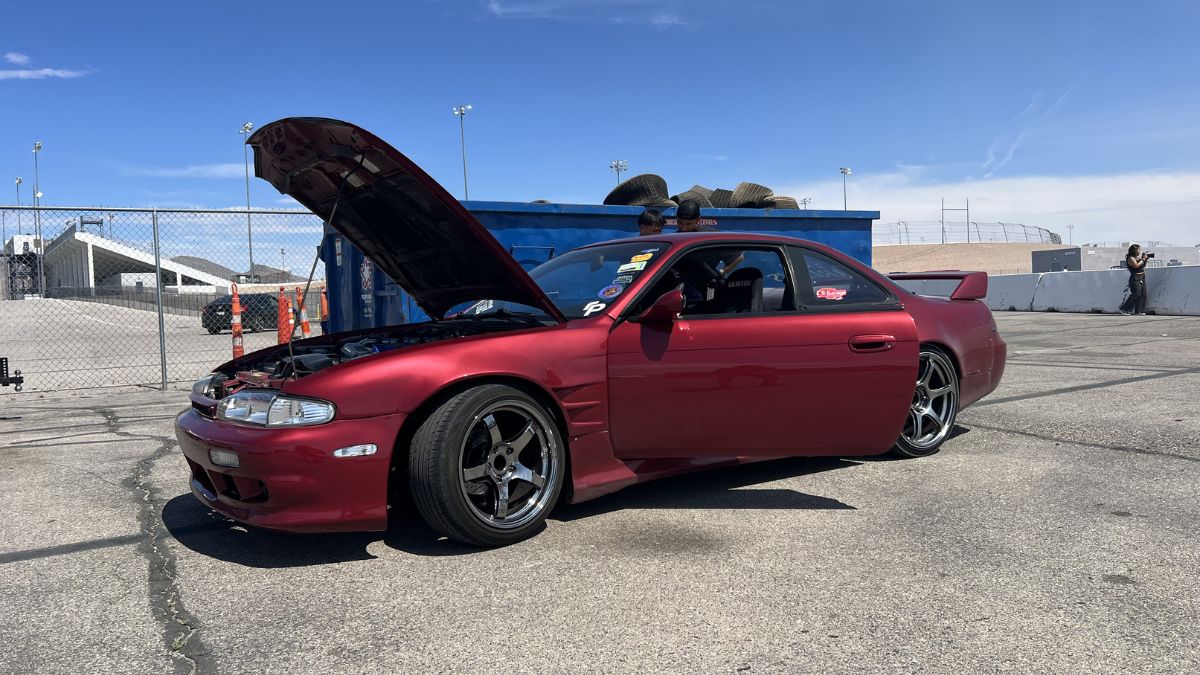
“Strategy-wise, you want to plan out your horsepower. Ideally, you want to be close horsepower and close tire, or same tire,” said Gyroe. Matching performance between cars is a key part of setting up a tandem, helping both drivers stay consistent and maintain control throughout the run.
Gyroe, who drives a Nissan R32 Type M Sedan powered by an RB20DET, brings experience from both his car and time in the local scene. His driving partners, Mykii Liu, pilots a Scion FR-S, while Bosa runs a boosted Mazda RX-8 built specifically for drifting with a wide-angle kit.
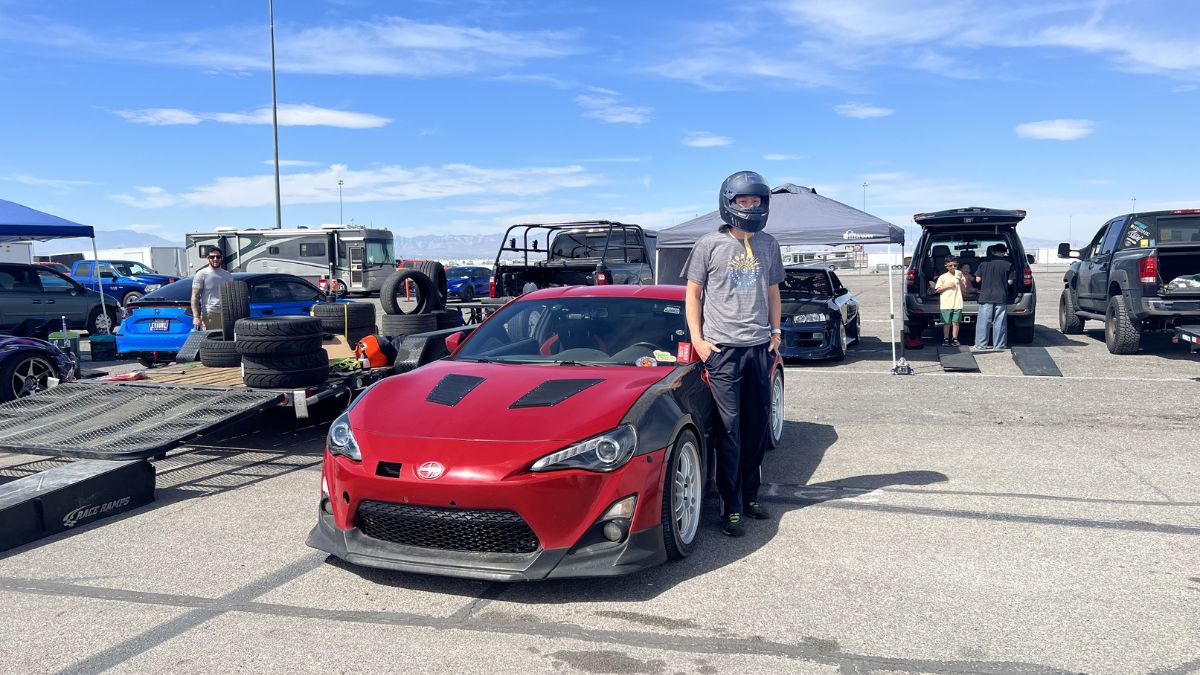
Each driver understands their own setup and how it behaves, which plays a major role in how they approach a tandem.
The conversations between them showed how seriously they take the process. “The lead car runs that nice wide line. The second car uses the lead car as their clipping point. The third car is always running its own line behind them,” said Bosa. This kind of detailed planning reflects what was said in the interviews. Tandems are not random. They are intentional.
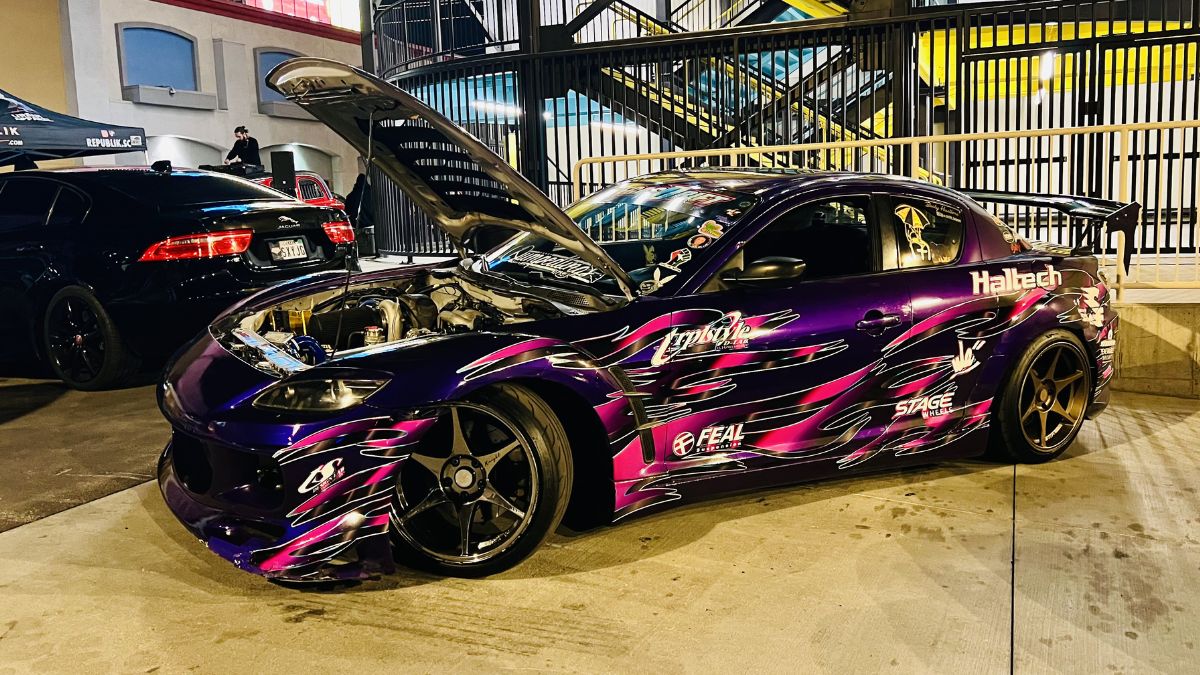
At grassroots events like Vegas Drift, there is also an understanding of accountability. “You would be obliged to talk to the driver, try and help him out, or fix what was wrong,” said Bosa.
If something goes wrong during a tandem and one driver causes damage, it is common for that person to help fix the other car so both can get back on track. This reflects the strong sense of community within the scene.
In professional drifting, the situation is different. Each team is responsible for its own car, and there is no expectation of shared repairs.
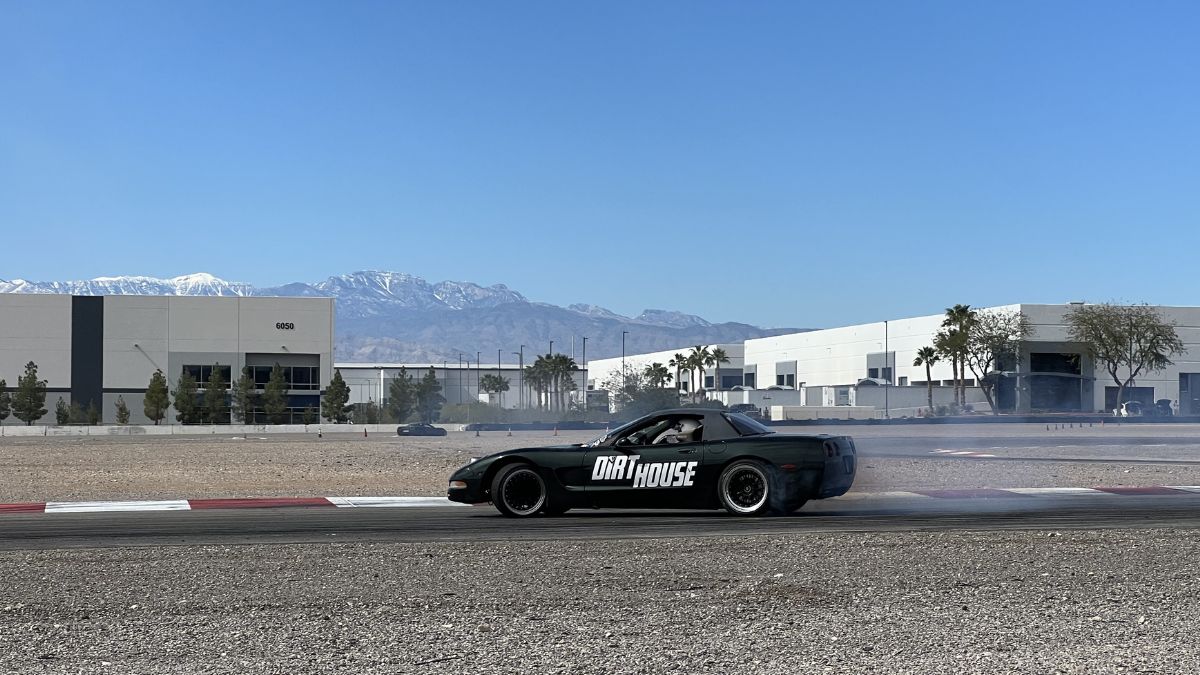
Gyroe also shared a personal experience with an unexpected tandem. “I’ve been there before, where I’ve had a random person chase, and I didn’t know. Eventually, I was forced to push myself, and I looped it, and he crashed into me,” he said. “Yeah, you’re pissed because you were just testing out your car. But you just have to swallow it, accept it, and build your car.”
Moments like this highlight why planning and communication are important before attempting a tandem run.
Vegas Drift Continues To Build A Strong Community
Vegas Drift remains a key part of the local car culture, operating as a grassroots organization focused on giving drivers a place to learn and grow. Held regularly at Las Vegas Motor Speedway, the event has become a consistent outlet for drivers of all levels to get seat time in a controlled environment.
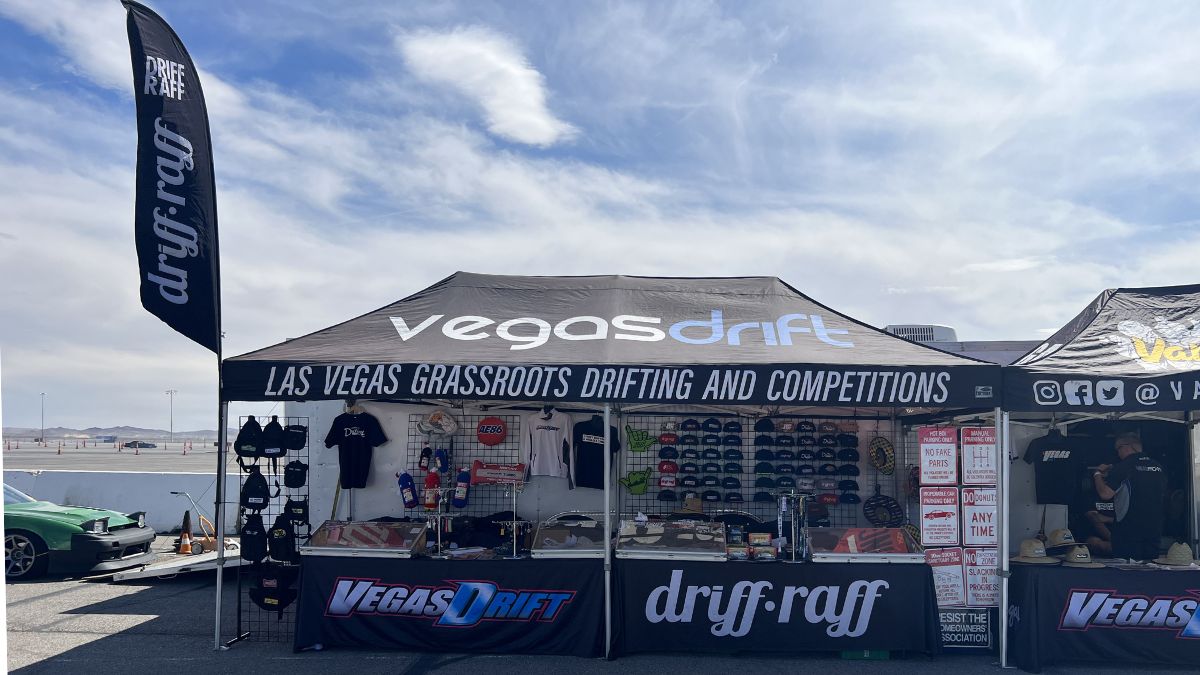
The event structure allows beginners and intermediate drivers to practice safely while still giving experienced drivers room to push harder. Open access has helped the event grow over the years, drawing both participants and spectators.
Beyond the driving, the community aspect stands out. Drivers help each other in the pits, share advice, and keep the focus on learning.
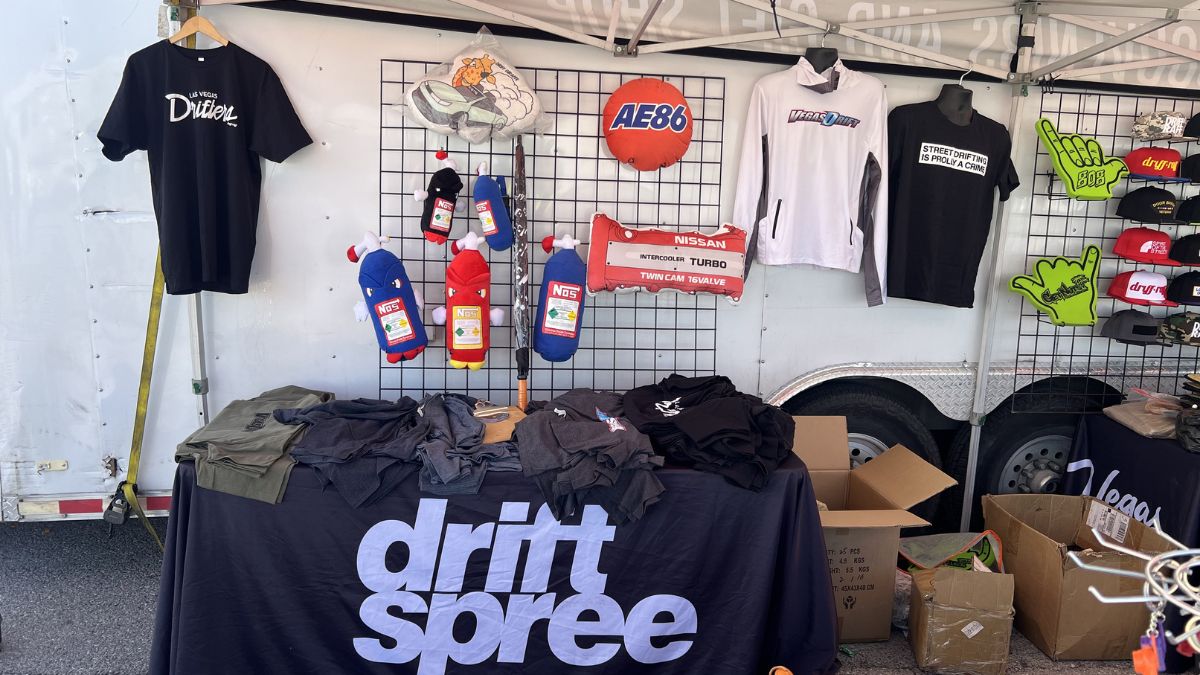
That same mindset carries onto the track, where unwritten rules like “no tandos with randos” help maintain safety and respect among participants.
In the end, drifting is about more than just sliding cars. It is about trust, communication, and understanding the limits of both the machine and the people around it.

Submit a Tip or Correction
If you spotted an error in one of our stories or want to share additional details, we’d love to hear from you. RōdoHouse also welcomes brands, photographers, and creators interested in partnerships or collaborations.
Contact