

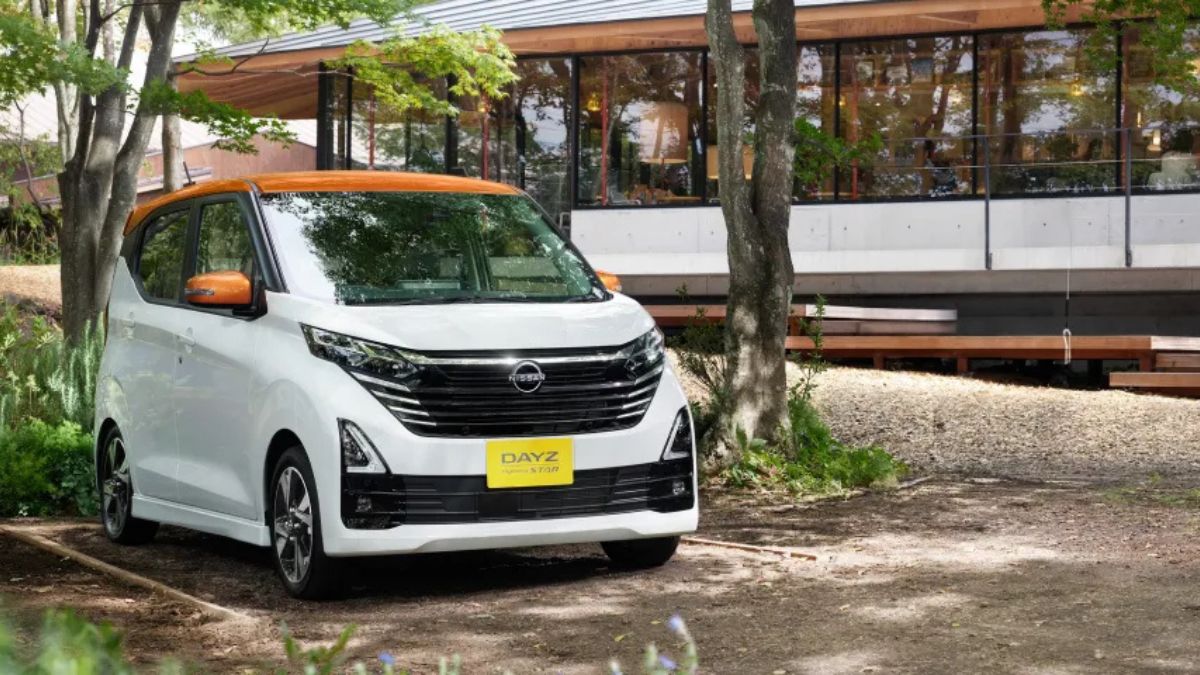
Small Japanese cars are suddenly part of a national conversation after comments from President Trump. The idea has excited enthusiasts while raising serious questions about regulation demand and practicality nationwide.
President Trump Signals Interest in Kei “Small” Cars
During a White House meeting with automotive leaders and lawmakers, President Trump praised Japan’s Kei cars. He spoke plainly about their appeal. “They’re very small. They’re really cute,” said President Trump.
Trump said he ordered U.S. Transportation Secretary Sean Duffy to allow small vehicles like Kei cars to be produced, but with a catch.
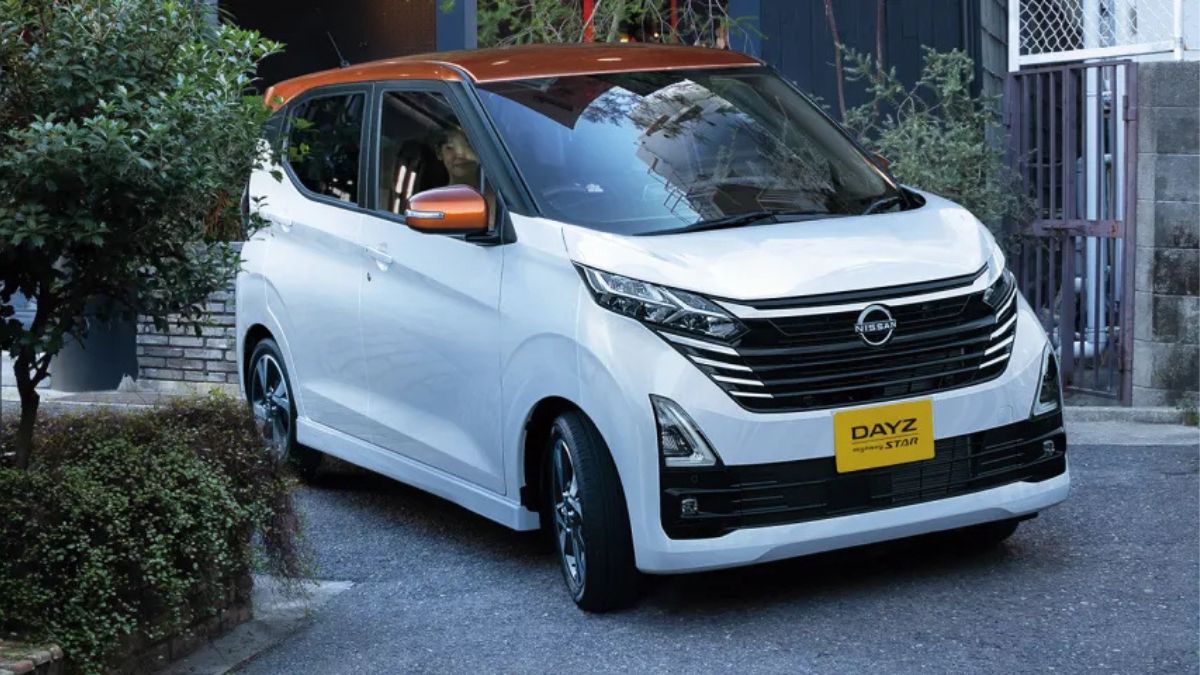
He wants them built and driven in America. His remarks quickly caught the attention of the automotive industry and JDM enthusiasts alike.
Kei cars occupy a unique vehicle class in Japan. Strict rules limit their size, power, and speed. Manufacturers design them for short trips and dense urban areas. That purpose differs sharply from typical American driving needs.
While producing Kei cars in the U.S. is not illegal, manufacturers face major hurdles. Kei cars must meet American safety standards, speed requirements, and other federal regulations before reaching consumers.
Kei Cars Meet the Limits of U.S. Demand
Small cars have struggled in the American market for years. Buyers consistently favor trucks, SUVs, and crossovers. Sales trends show limited demand for compact vehicles.
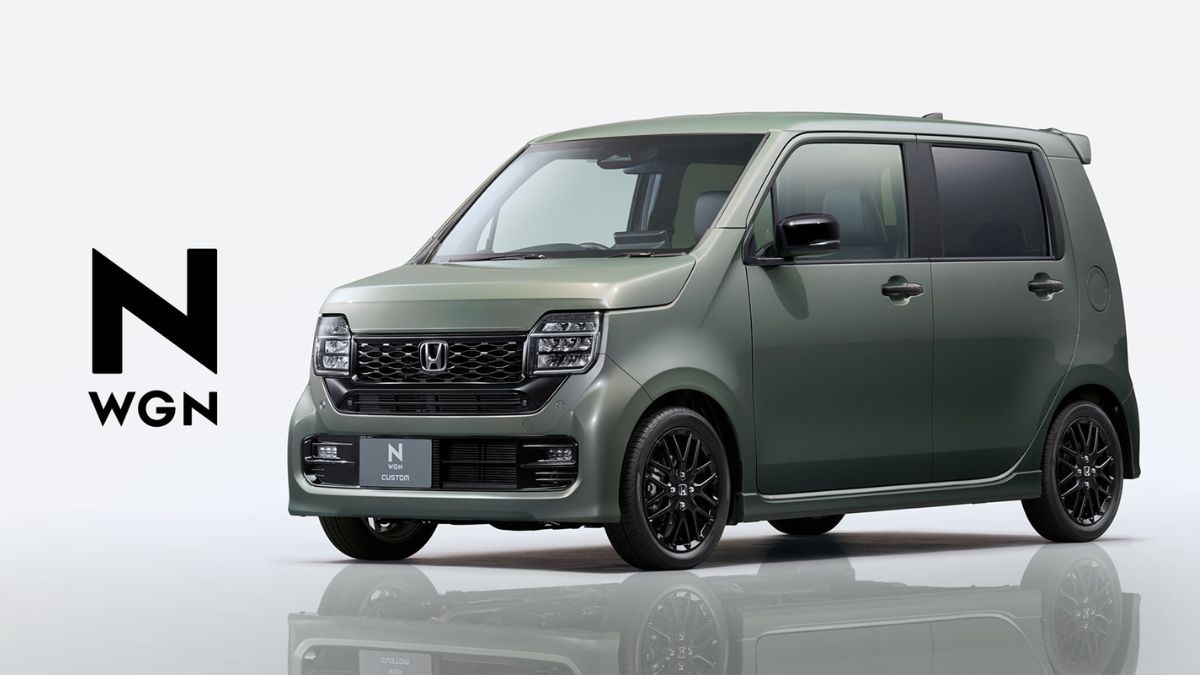
Several small cars have already left the U.S. market due to weak sales, like the Chevrolet Spark and Ford Fiesta, which are much larger than Kei cars. That history casts doubt on any widespread success for Kei models.
Modern Kei cars face added challenges. Many newer versions use electric drivetrains. Automakers would need a heavy investment to meet U.S. rules. Factory upgrades and extensive safety testing would increase costs.
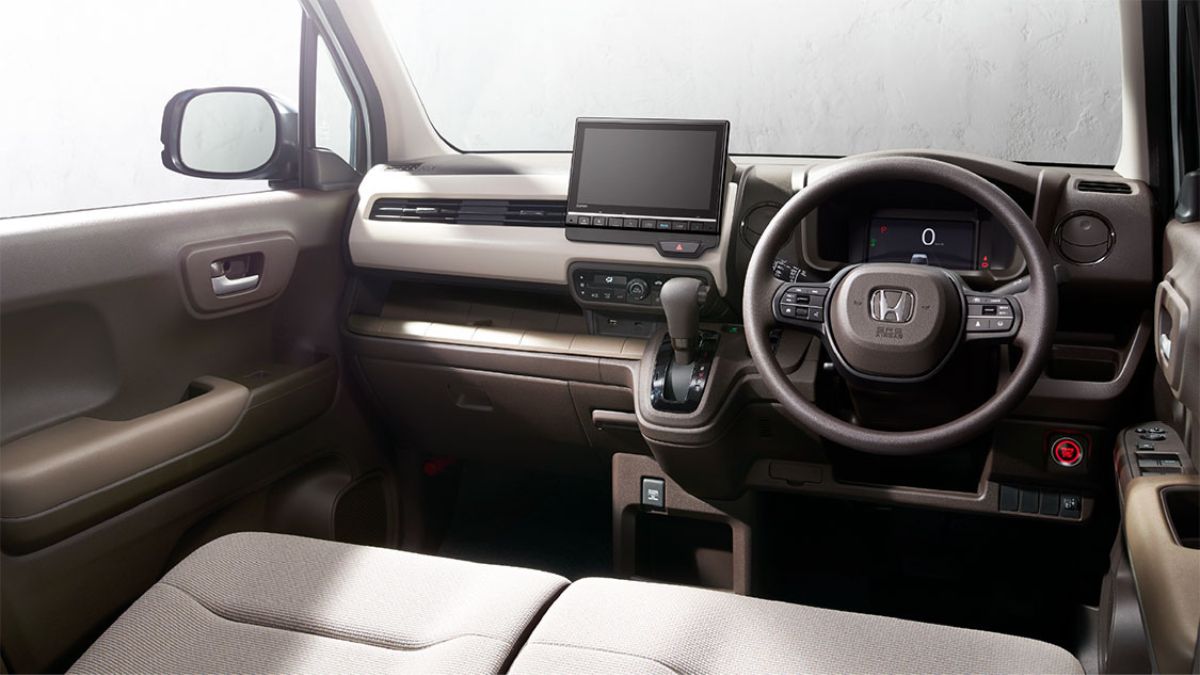
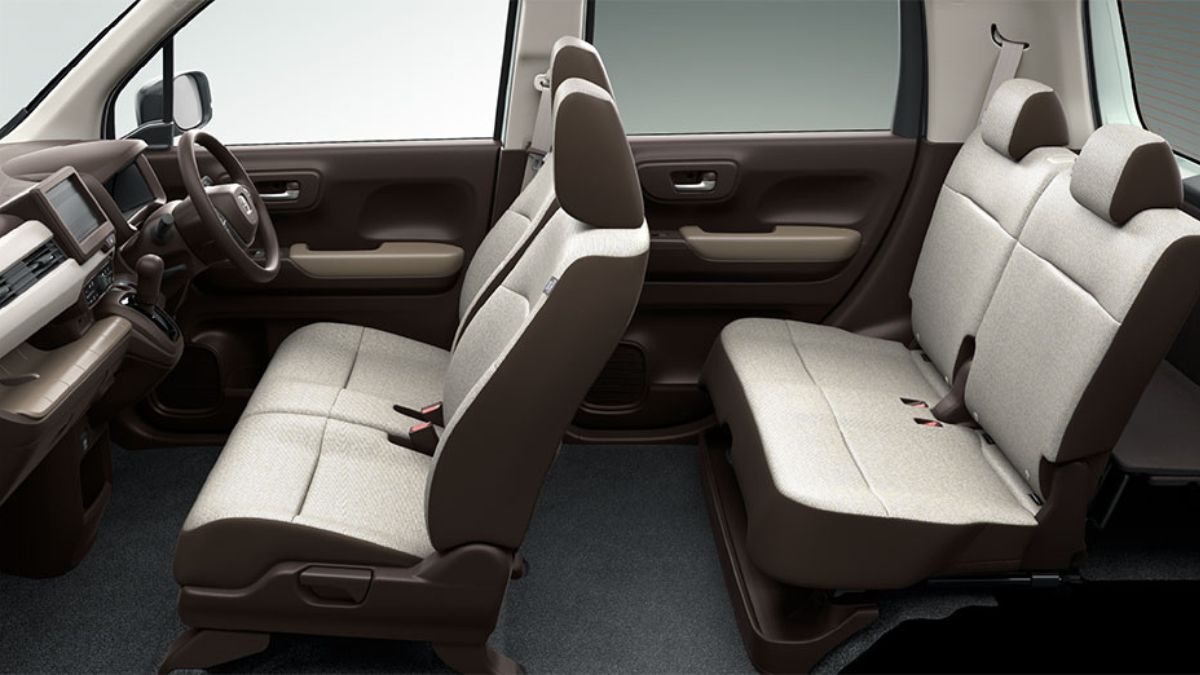
Electric power brings more concerns. Small vehicles restrict battery size. Limited batteries reduce driving range. Range anxiety already discourages many American buyers.
Driving habits also work against Kei cars. Americans often travel longer distances each day.
Highways play a central role in daily commuting. Kei cars target slower speeds and short trips, which limits their practicality in the U.S.
A Niche Future for Kei Cars Awaits
Kei cars attract strong interest from JDM enthusiasts. Their compact size and character give them a unique appeal. Enthusiasm alone cannot support mass production.
Widespread U.S. production remains unlikely. High costs, strict regulations, and low demand create major barriers.
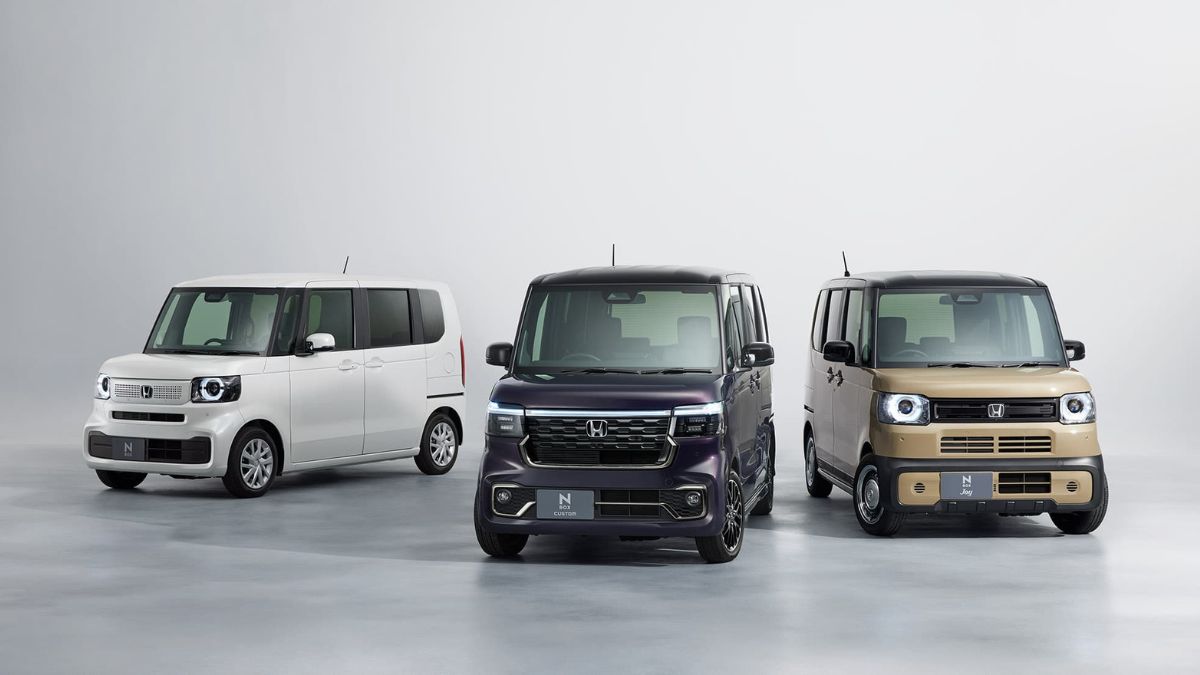
For now, Kei cars will remain rare on American roads. Most will arrive through the 25-year import rule.
Kei fans should stay optimistic. The conversation has started, and interest in these cars continues to grow. While the future in America remains uncertain, possibilities could emerge over time.

Submit a Tip or Correction
If you spotted an error in one of our stories or want to share additional details, we’d love to hear from you. RōdoHouse also welcomes brands, photographers, and creators interested in partnerships or collaborations.
Contact