

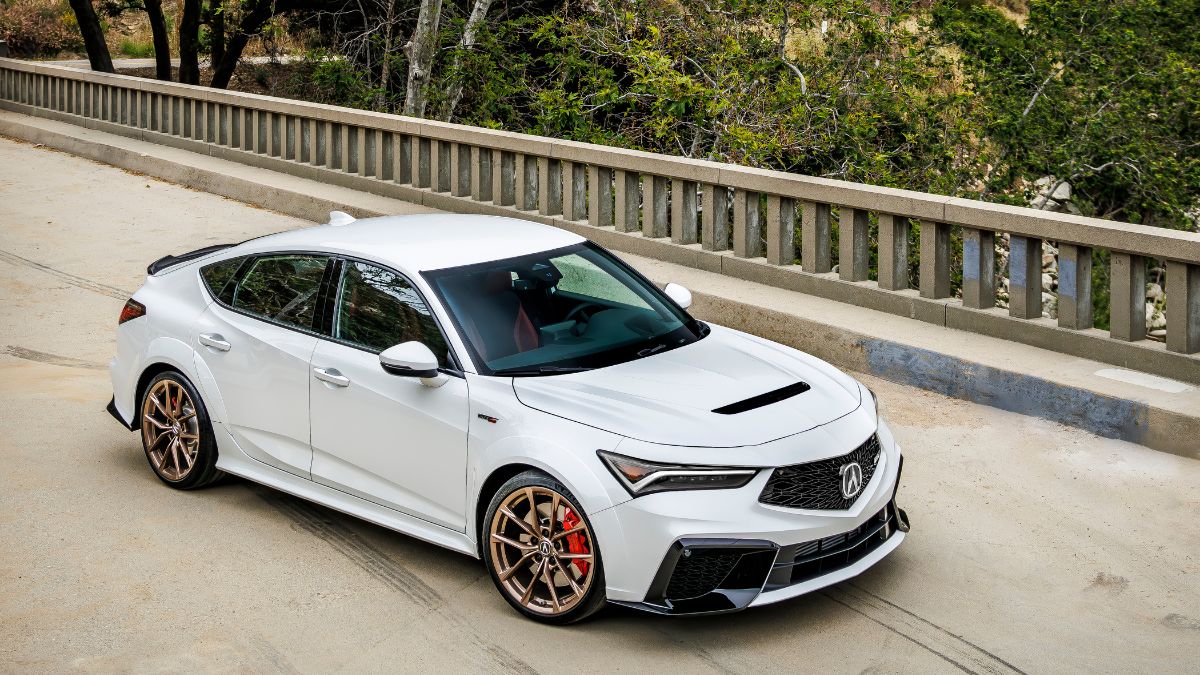
Japanese automakers are making an unexpected move that flips car culture on its head. Instead of sending JDM cars overseas, companies like Toyota, Honda, and Nissan are now bringing American-built vehicles into Japan.
It is a rare shift that hints at changing rules and a different kind of car culture taking shape.
Japan Flips The Script As They Import US-Built Cars
Toyota, Honda, and Nissan are now preparing to import U.S.-built vehicles into Japan, marking a move not seen since the 1990s. This decision comes after each company confirmed plans over the past few months, with Toyota announcing its strategy in December, Honda following earlier this month, and Nissan confirming its plans shortly after.
“With the introduction of this model, Nissan aims to further strengthen its product lineup in Japan and meet the diverse needs of Japanese customers,” Nissan CEO Ivan Espinosa said in a statement.
The move is notable because many of these vehicles are larger than what is typically sold in Japan, where compact cars dominate the market.
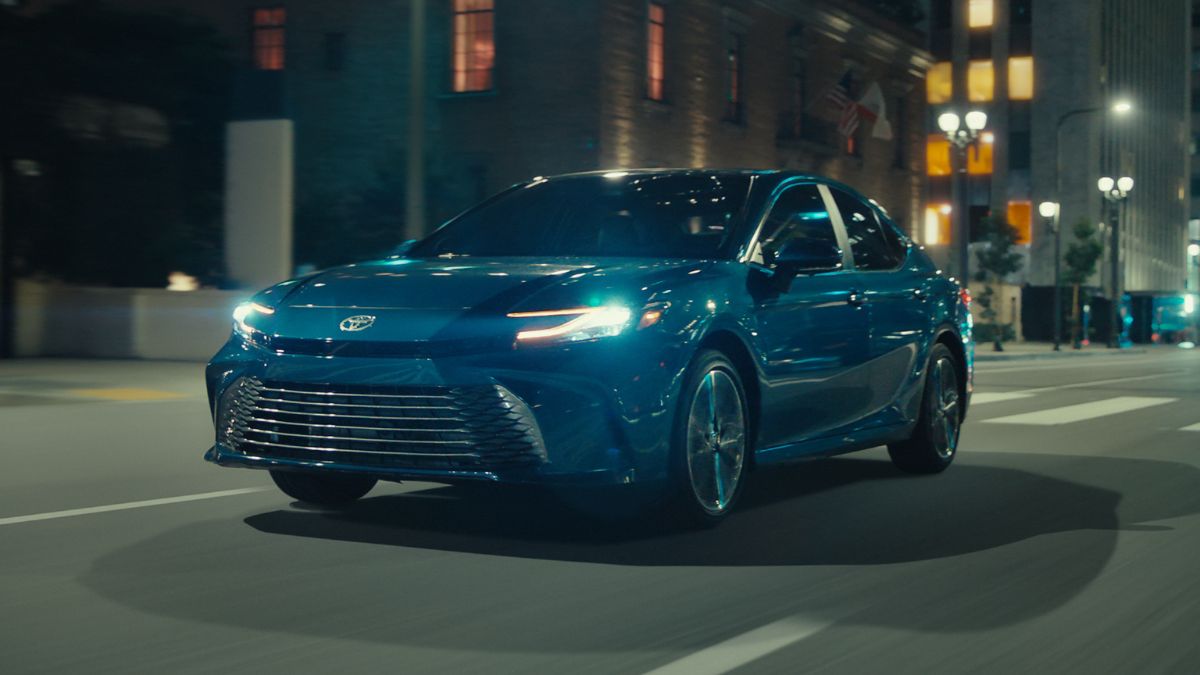
Toyota plans to bring models like the Camry sedan, Highlander SUV, and Tundra pickup to Japan, all built in the United States.
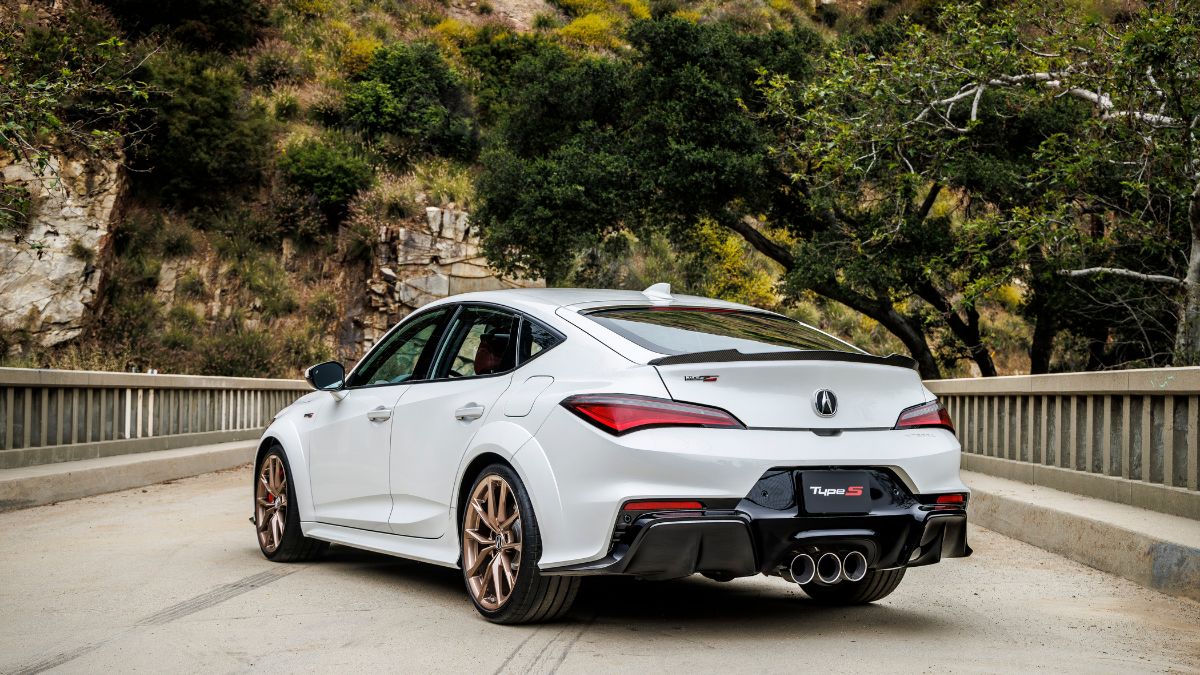
Honda will import the Acura Integra Type S and the Honda Passport TrailSport Elite SUV, both built in the U.S.
Nissan will also bring the midsize Murano from Smyrna, Tennessee, marking the first American-made Nissan sold in Japan in decades, with sales starting early next year.
In a surprising twist, these vehicles will be sold in left-hand drive form. Japan is known for right-hand drive vehicles, so this setup brings a different driving experience to local buyers.
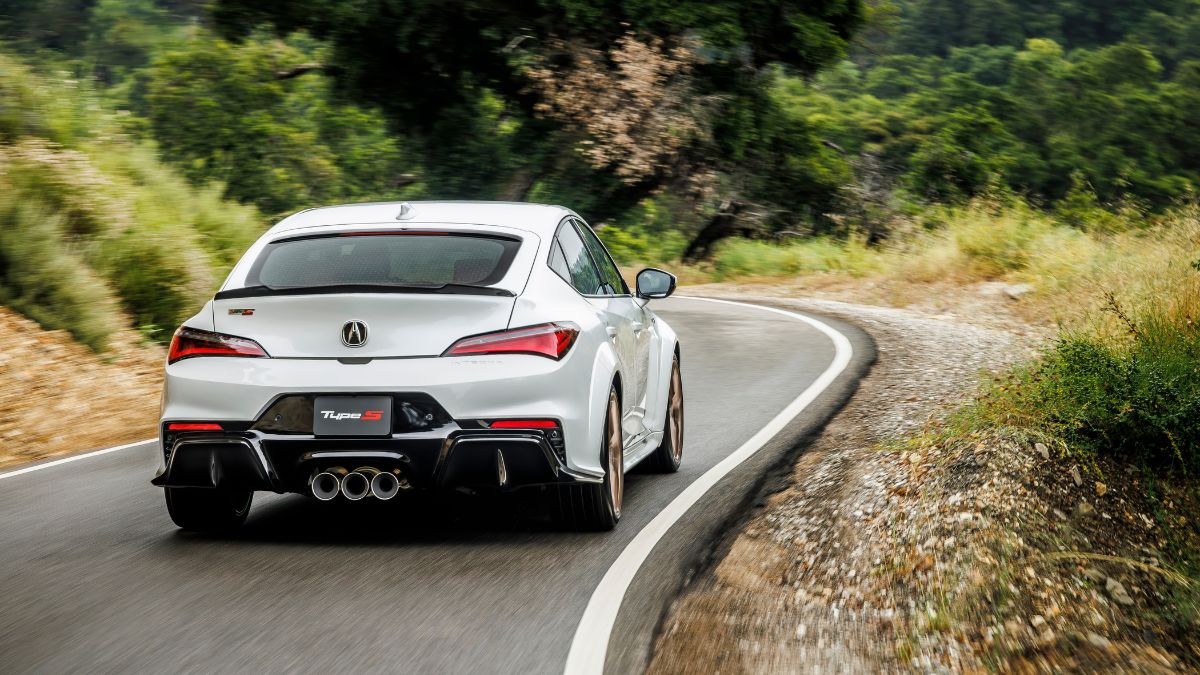
Automakers usually have to make adjustments when selling cars in different countries, including changes to lighting, mirrors, and safety equipment. However, these new imports will keep more of their original U.S. specifications.
New Trade Deal Clears the Path for US Imports
These American-built models stand out in Japan not only because of their origin but also due to their larger size compared to most vehicles on Japanese roads.
In a market that favors smaller, more efficient cars, these vehicles are expected to remain niche products, appealing to buyers looking for something different rather than high-volume sellers.
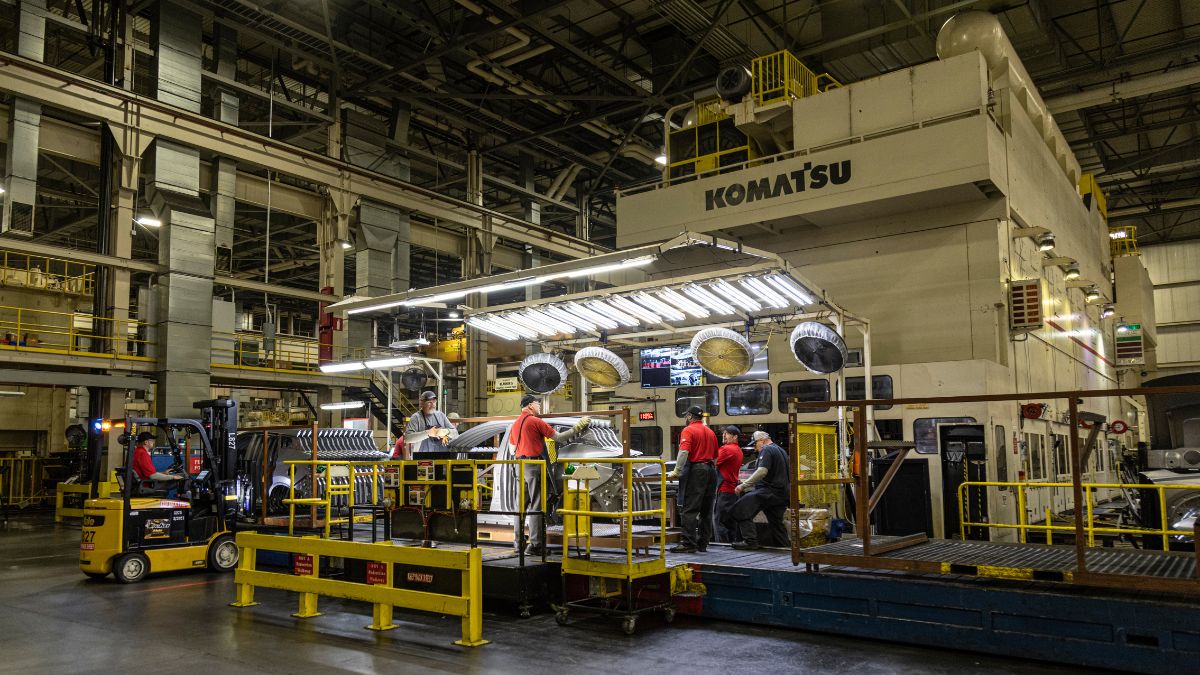
The move to import U.S.-built vehicles has been made easier by recent trade changes between the two countries. Following an executive order signed by President Donald Trump, tariffs on Japanese goods entering the United States were reduced from 27.5% to 15%.
The executive order covers vehicles, parts, and performance products. At the same time, Japan updated its own import rules, allowing U.S.-made vehicles to be sold without meeting Japanese certification standards as long as they comply with American regulations.
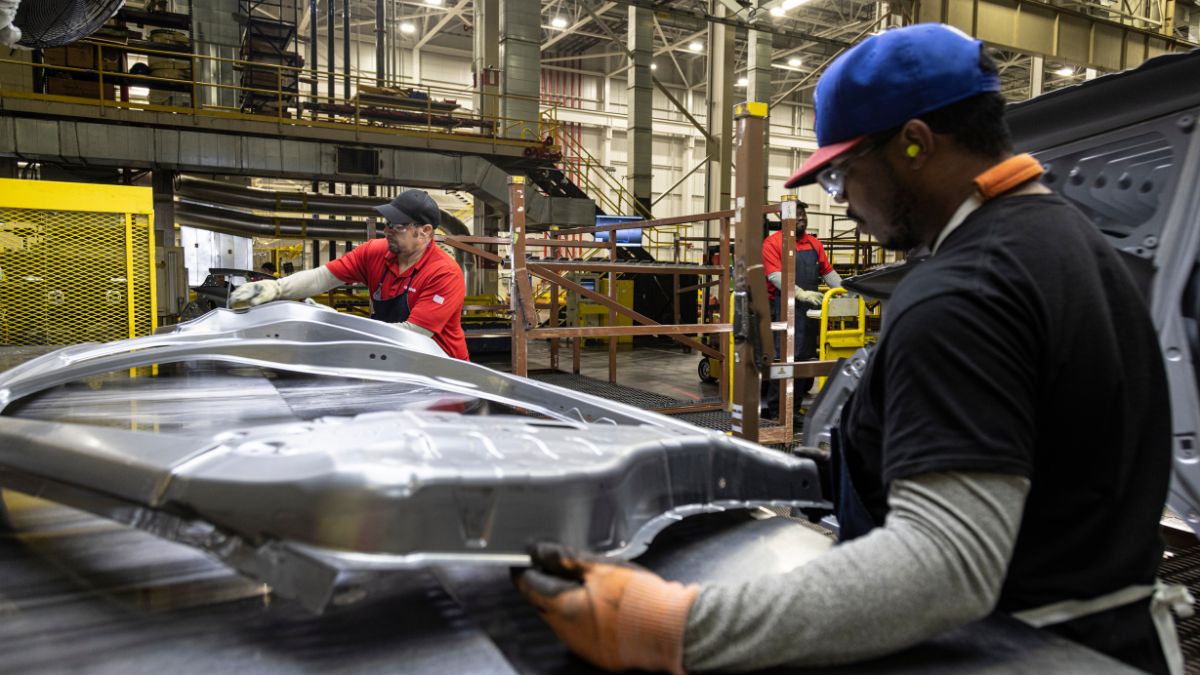
This removes a major barrier that previously required automakers to redesign or heavily modify vehicles for Japan. Together, these changes make it more practical for automakers to move vehicles between the two markets, even though the total number of imports is still expected to remain low.
A New Era for USDM Cars in Japan
This shift could be the beginning of something bigger. For years, car enthusiasts in the United States have admired and imported JDM vehicles. Now, the roles are starting to reverse, with Japan getting a taste of USDM culture in a more direct way.
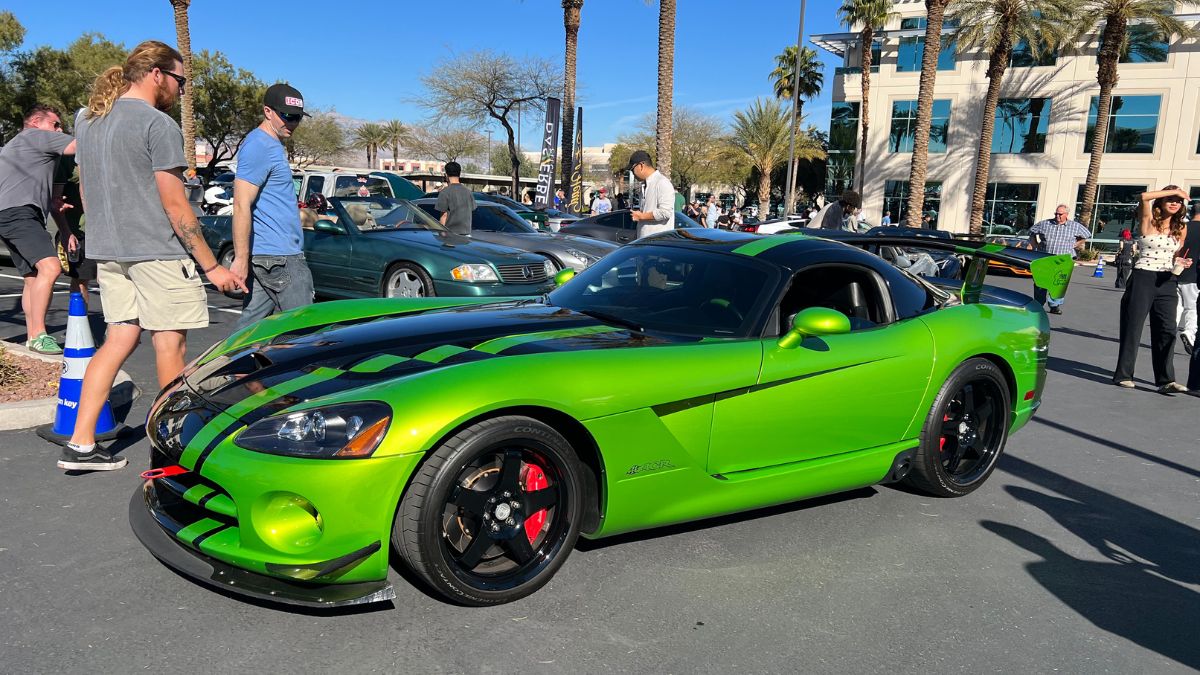
While current plans focus on a small number of models, it is easy to imagine more American icons making their way to Japan in the future. Cars like the C8 Corvette, Shelby Mustang GT500, and other well-known muscle cars could become rare but exciting sights on Japanese streets.
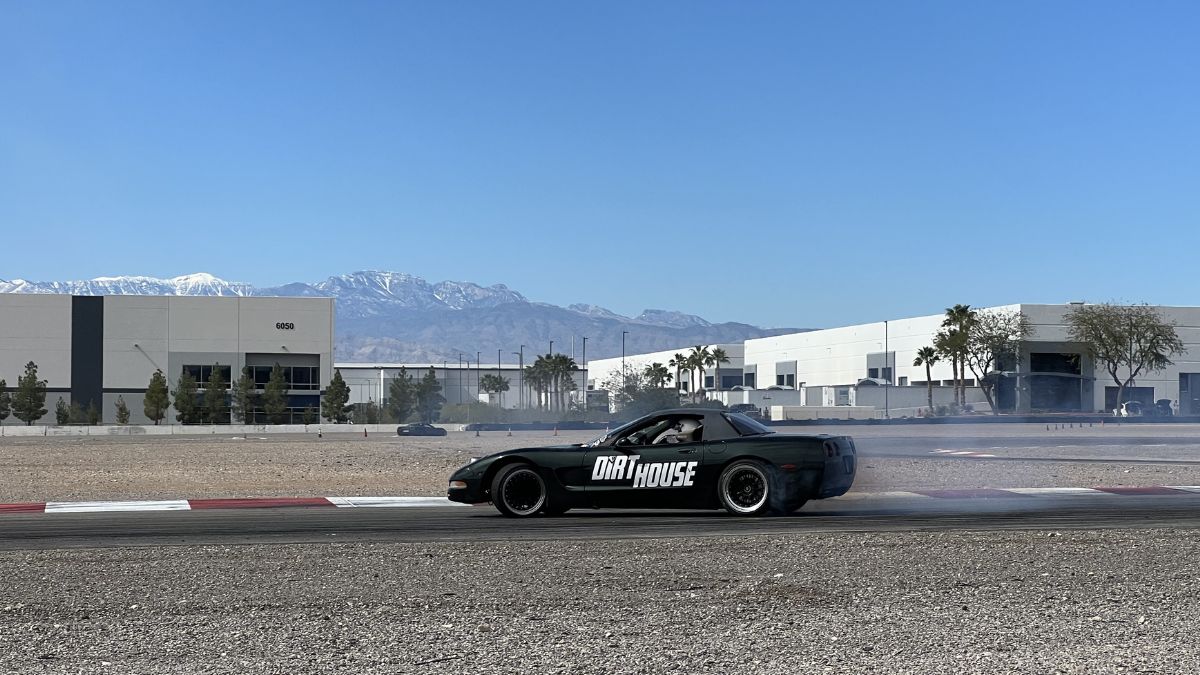
Their larger size and bold design would stand out even more in a market filled with compact cars.
For now, these imports will likely remain niche offerings. Still, they represent a unique moment in the automotive world where global markets are blending in new ways.
If demand grows, this could open the door for even more cross-market models and give enthusiasts on both sides something new to get excited about.

Submit a Tip or Correction
If you spotted an error in one of our stories or want to share additional details, we’d love to hear from you. RōdoHouse also welcomes brands, photographers, and creators interested in partnerships or collaborations.
Contact