

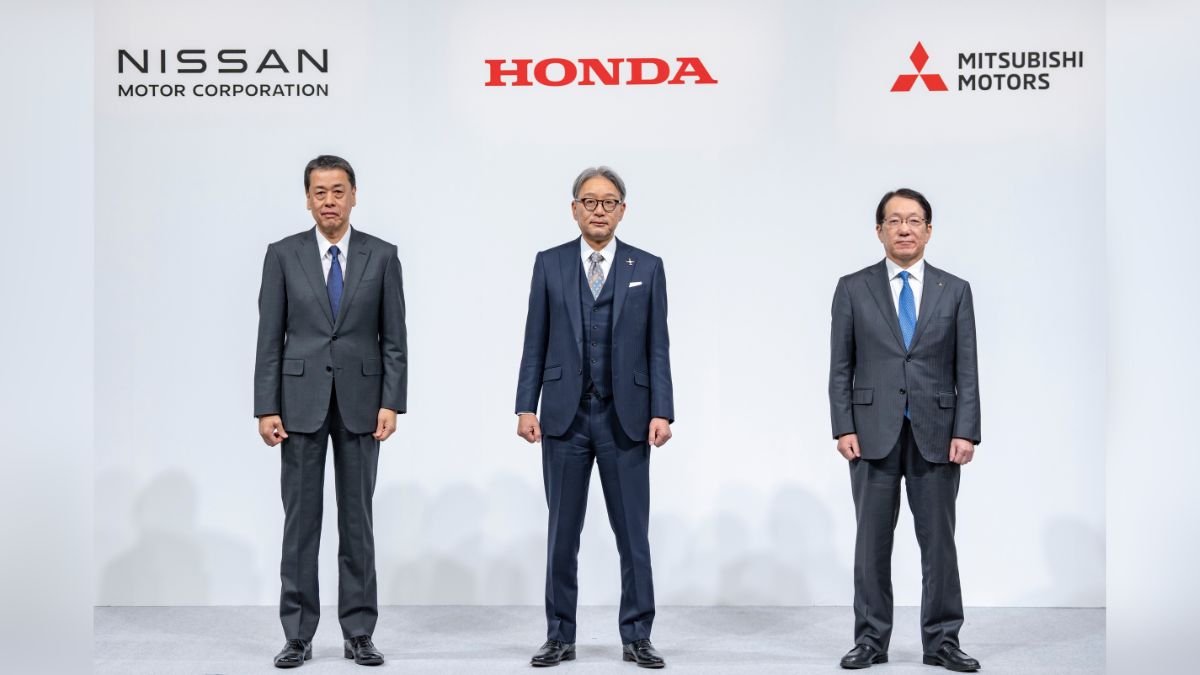
The Nissan, Honda, and Mitsubishi merger once captured the automotive world’s attention, but just as quickly as it stormed, it vanished. Yet behind the scenes, the companies are still talking and silently signaling a historic plan for Japan’s auto industry.
Instead of combining under one roof, the companies are exploring ways to work together while keeping their independence.
The Merger Isn’t Dead, It Just Changed Shape
At the end of 2024, Nissan, Honda, and Mitsubishi surprised the auto world by announcing plans for a possible three-way merger. The proposed deal would have created one of the largest automotive groups in the world.
By early 2025, merger talks officially ended after Nissan and Honda agreed to terminate the move, with Mitsubishi’s role ending as part of the same agreement.
Even though the formal merger is no longer happening, the companies continue to communicate. Their focus has shifted to joint projects rather than creating a single corporation.

Nissan’s CEO Ivan Espinosa confirmed that discussions with Honda continue, centered on practical collaboration. One example is developing vehicles and powertrains together in North America.
Both brands have significant sales there but face slow growth due to high investment costs. Sharing development work could help reduce expenses while keeping them competitive.
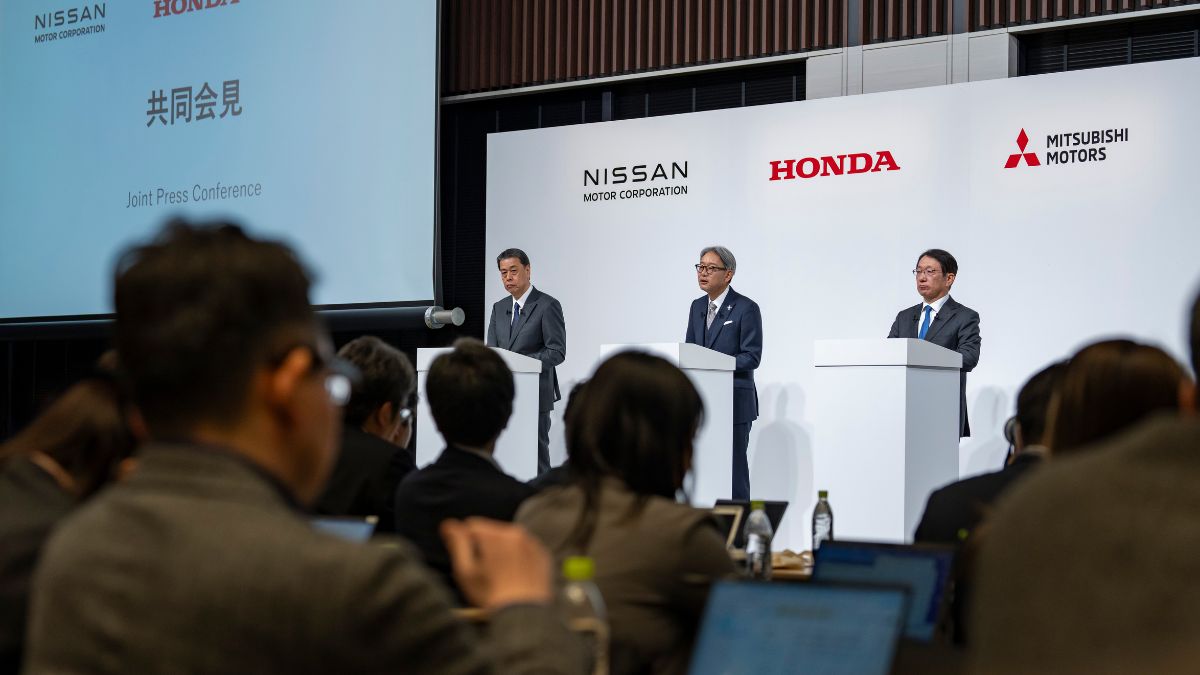
This kind of cooperation allows automakers to gain many of the benefits of a merger without the risks. Companies can share research costs, speed up development, and maintain their own brand identities.
The flexible approach can be adjusted as market conditions change, which is essential as the industry rapidly shifts toward electric vehicles and advanced software systems.
Inside Japan’s Quiet Culture Of Auto Alliances
Partnerships like this are not new in Japan. Toyota, Mazda, and Subaru already work together under the Multipathway Workshop agreement.
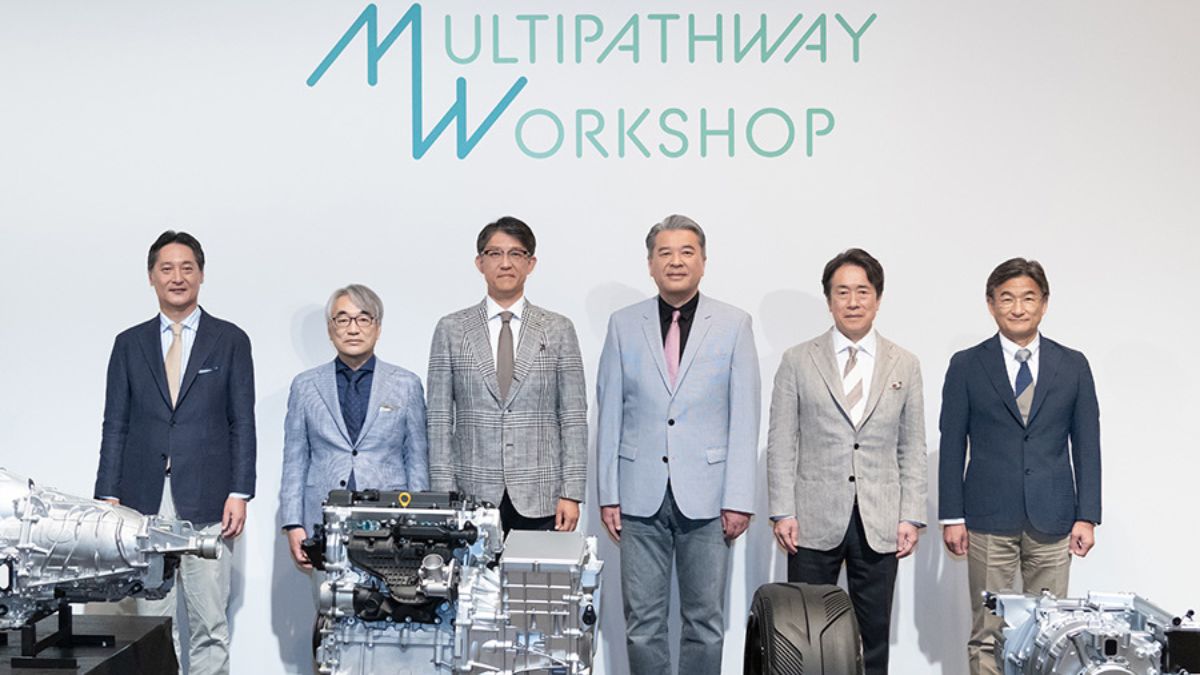
This program allows the companies to share technology and research so each can produce better vehicles without bearing the full cost alone.
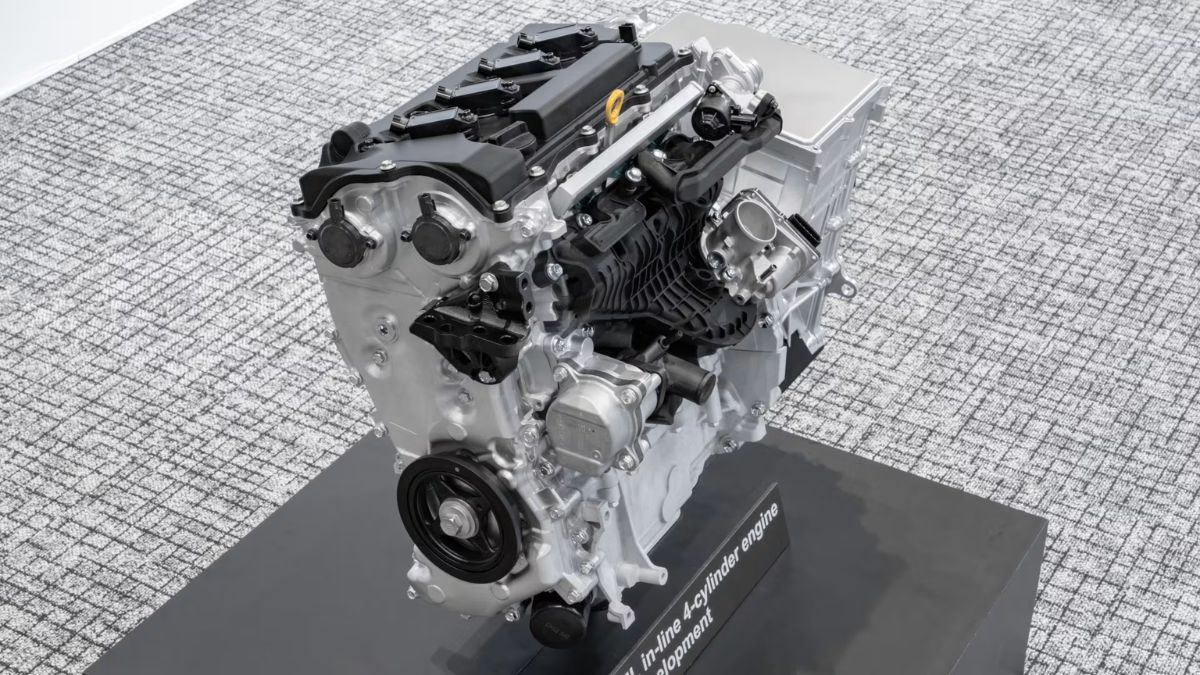
Through this collaboration, Toyota developed the G20E engine, a compact but powerful 2.0 turbo engine that produces around 400 horsepower and shows how joint engineering can speed up innovation.
Industry rumors suggest that Nissan and Acura may also work together on their next-generation flagship cars. The potential collaboration could include a hybrid GTR from Nissan and a new NSX from Acura.
While nothing has been confirmed, these discussions reflect how automakers are increasingly exploring partnerships to manage rising costs and technological complexity.
The Rumored Reason Why The Mega Merger Fell Apart
The original merger failed mainly due to disagreements about leadership and control. Honda allegedly proposed a structure that would have made Nissan a subsidiary, but Nissan’s leadership felt this would compromise its independence and long-term value.
That concern led the company to reject the plan, ending the merger talks despite the potential benefits of combining resources.
Mitsubishi’s position adds another layer to the story. Nissan is a major shareholder in Mitsubishi, which is also part of the Renault-Nissan-Mitsubishi Alliance. The alliance focuses on electric vehicles, shared platforms, and joint technology projects.
As of late 2025, it has been restructuring to become more agile, with cross-shareholdings set at fifteen percent. This arrangement allows the companies to cooperate while maintaining operational independence.
Although the formal merger is over, Nissan, Honda, and Mitsubishi continue to explore ways to collaborate. Flexible partnerships can provide shared investment and scale without the political complications of a full merger.
One year after the deal collapsed, the companies remain in contact, showing that cooperation is becoming essential in a fast-changing global auto industry.

Submit a Tip or Correction
If you spotted an error in one of our stories or want to share additional details, we’d love to hear from you. RōdoHouse also welcomes brands, photographers, and creators interested in partnerships or collaborations.
Contact