

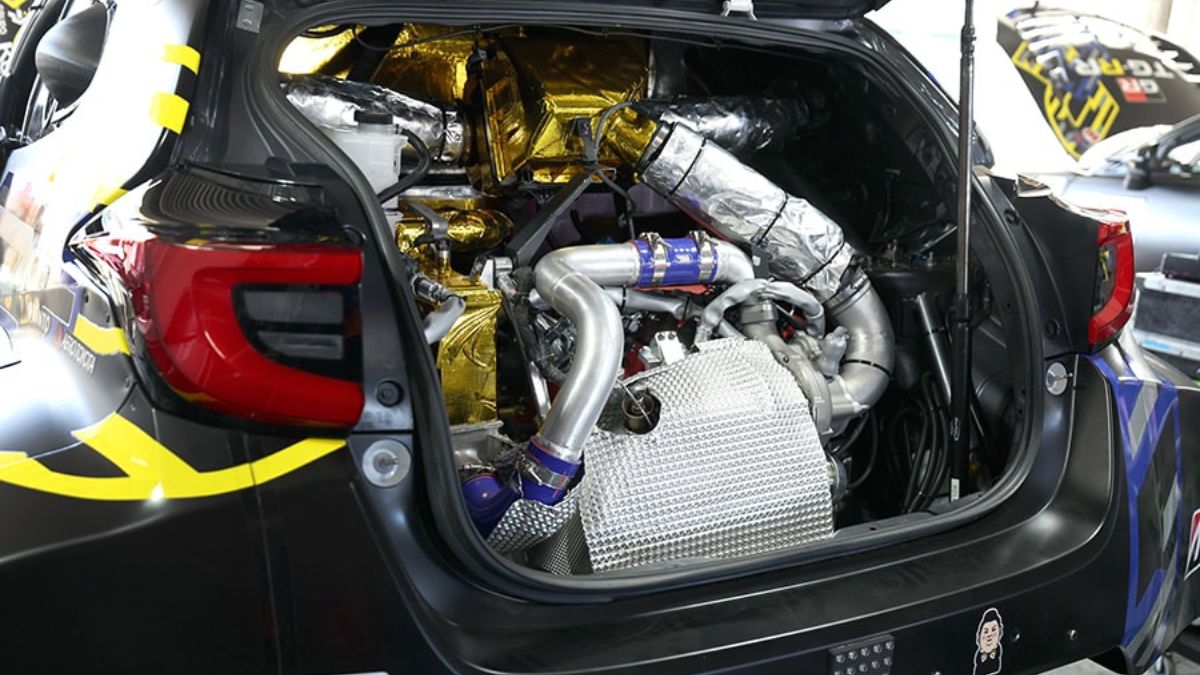
Toyota is quietly preparing its next big performance move, and it starts with a compact but powerful new engine. Known as the G20E, this engine is already proving that internal combustion still has plenty of life left.
The G20E Engine Is Toyota’s Future Flagship 2.0 Turbo
Toyota’s new G20E engine is shaping up to be the company’s most important performance motor in years. The 2.0-liter turbocharged inline-four was first showcased in the GR Yaris M Concept, which debuted at Tokyo Auto Salon 2025 and later competed in Japan’s Super Taikyu endurance series.
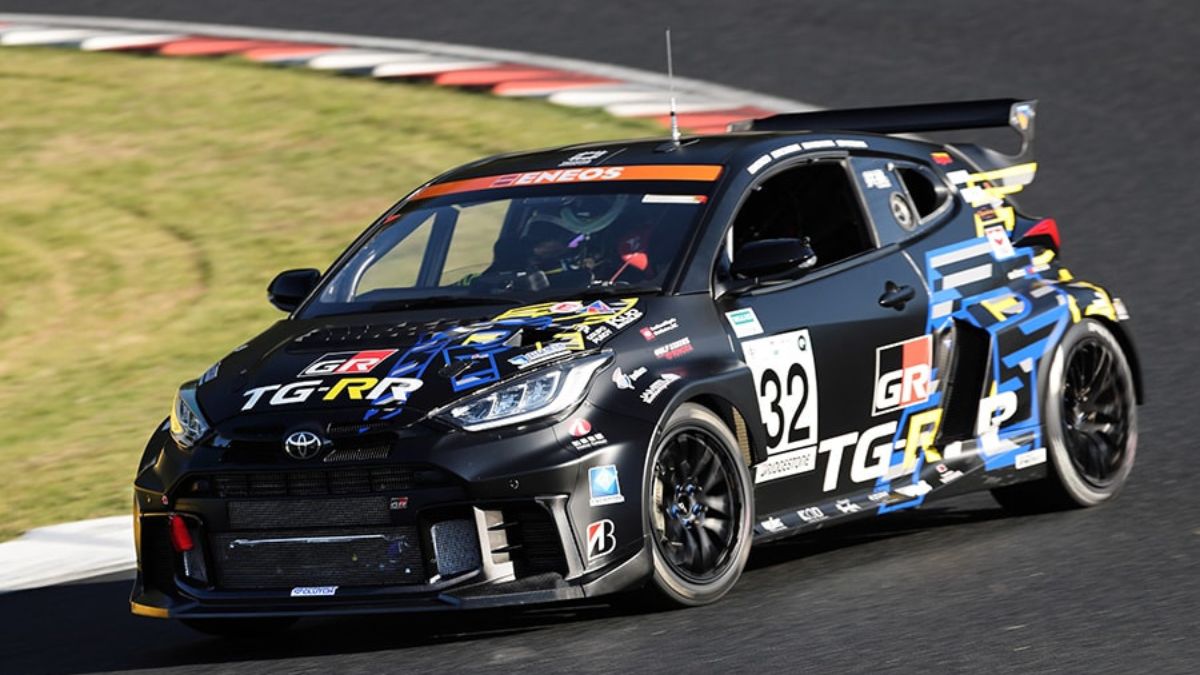
This race program allowed Toyota engineers to test the engine under extreme conditions while gathering real-world data.
The G20E is a compact, high-output turbocharged engine designed to be extremely flexible.
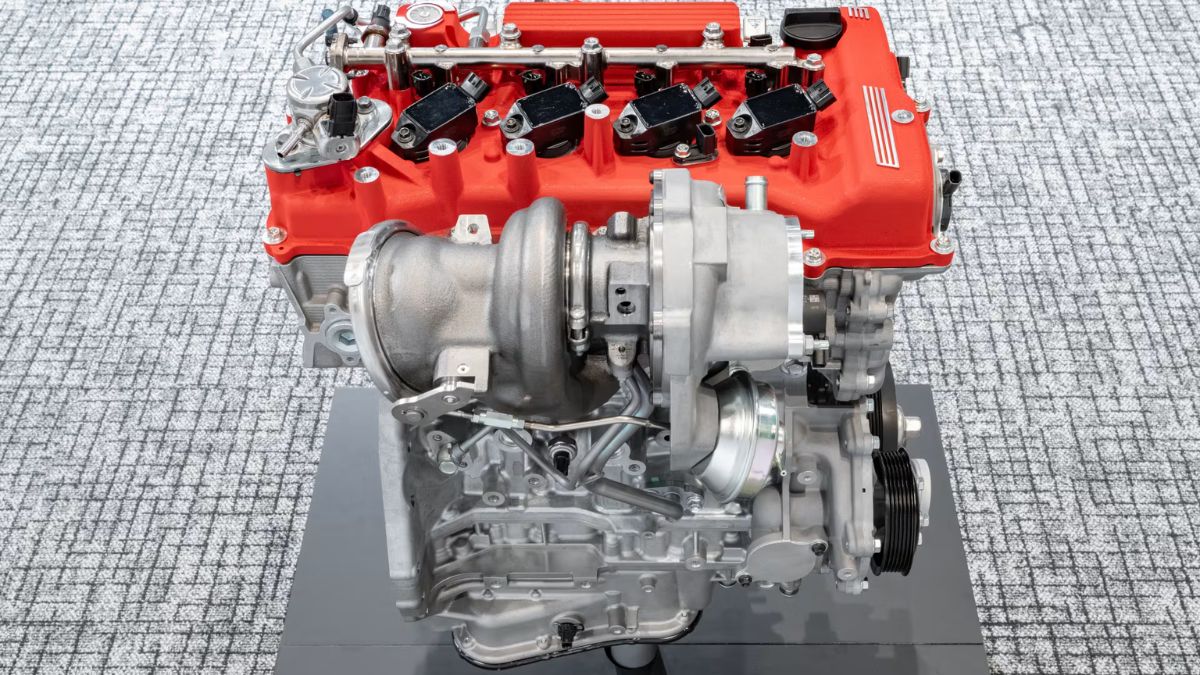
In race trim, the engine has been reported to produce around 400 horsepower and 550 Nm of torque. Toyota engineers have also shown that the platform can handle much higher output.
With further tuning and development, the G20E is capable of pushing beyond 500 horsepower. This has led many enthusiasts to compare it to a modern “baby 2JZ” due to its strength and tuning potential.
The engine can also be mounted in the front, middle, or rear of a vehicle. It can also be installed both longitudinally and transversely.
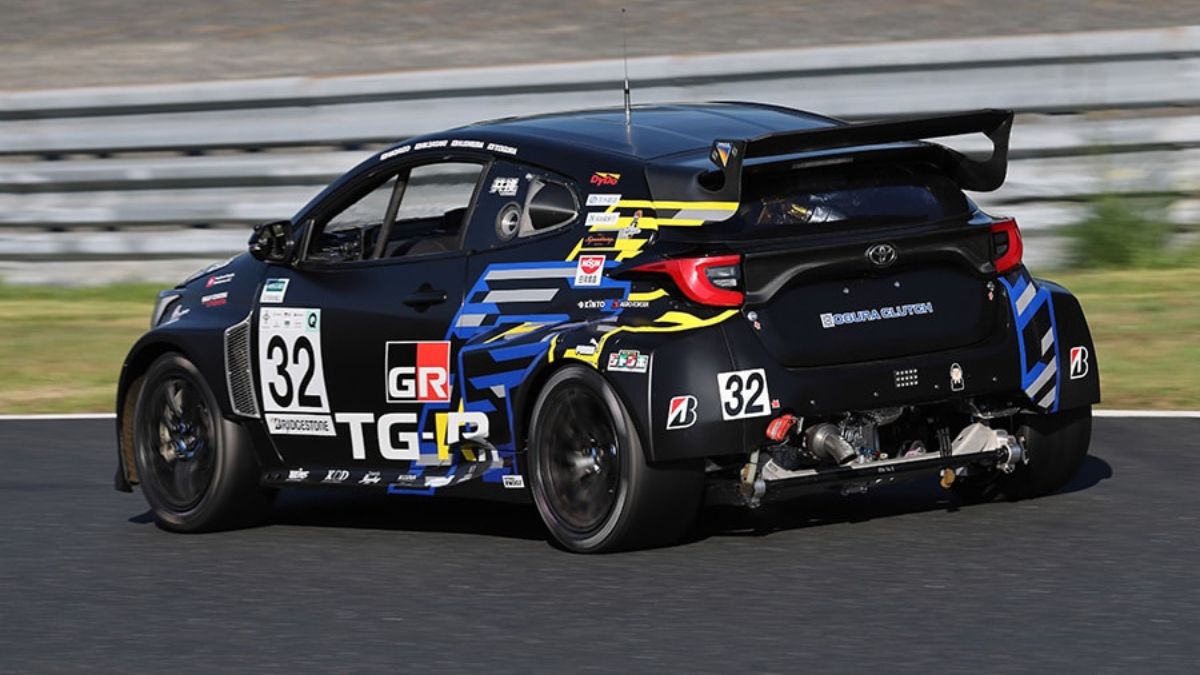
This makes it suitable for a wide range of platforms, from sports coupes to performance sedans and even SUVs.
Its small size, strong internals, and advanced turbocharging system make it one of Toyota’s most advanced four-cylinder engines to date.
Meeting Emissions Standards While Not Limiting Fun Driving
While the G20E delivers strong performance, Toyota is also focused on making sure it meets modern emissions regulations.
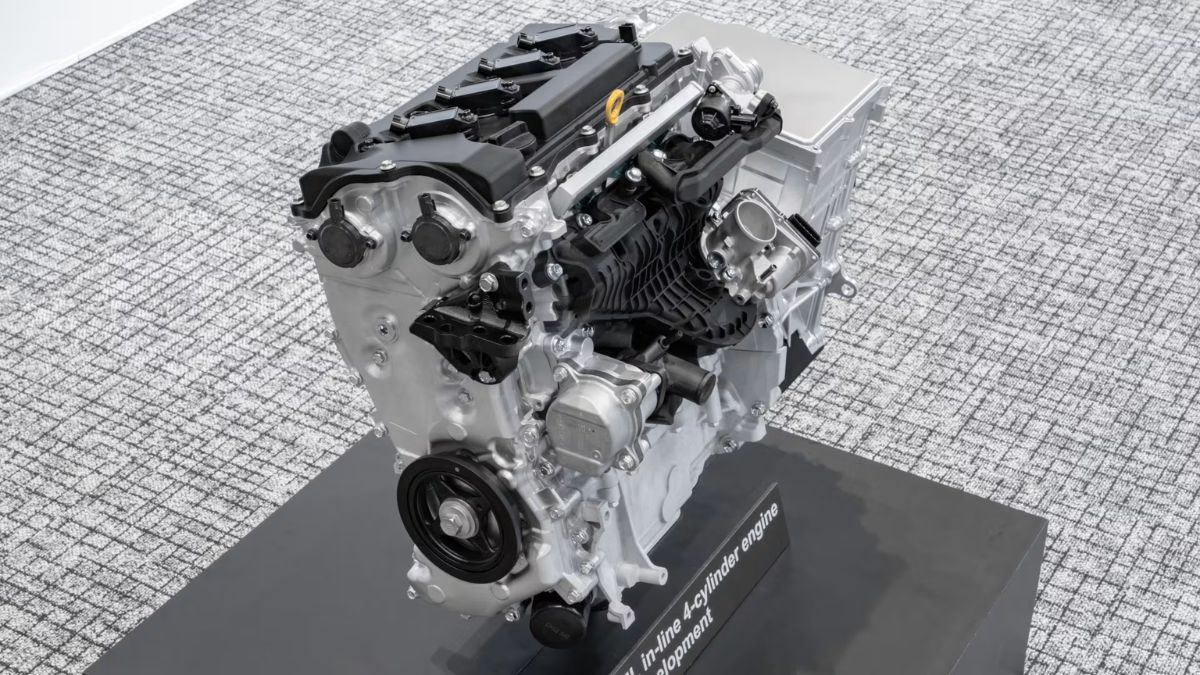
The engine is currently going through multiple development stages to comply with strict standards in North America and Europe, including upcoming Euro 7 rules. Engineers are working to balance power, efficiency, and reliability without sacrificing driving enjoyment.
Gazoo Racing president Tomoya Takahashi has confirmed that the G20E is being designed with future electrification in mind.
He has stated that hybrid support is likely for many applications. This would allow Toyota to meet emissions targets while keeping gasoline-powered performance cars alive.
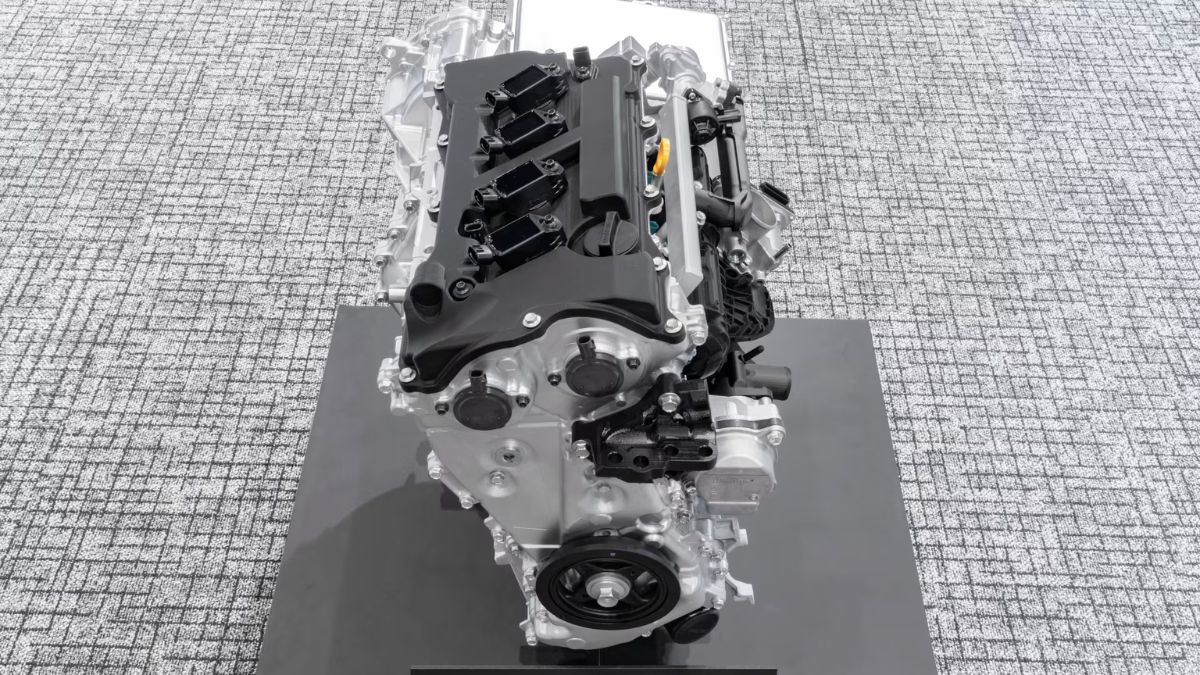
Despite this hybrid possibility, Toyota continues to emphasize internal combustion. The company has made it clear that it does not plan to abandon gas-powered sports cars in favor of full electric models. Instead, it is refining engines like the G20E to work alongside hybrid systems when needed.
The G20E is expected to play a major role in Toyota’s upcoming performance lineup. It is widely linked to the long-awaited return of the Celica and the confirmed revival of the MR2.
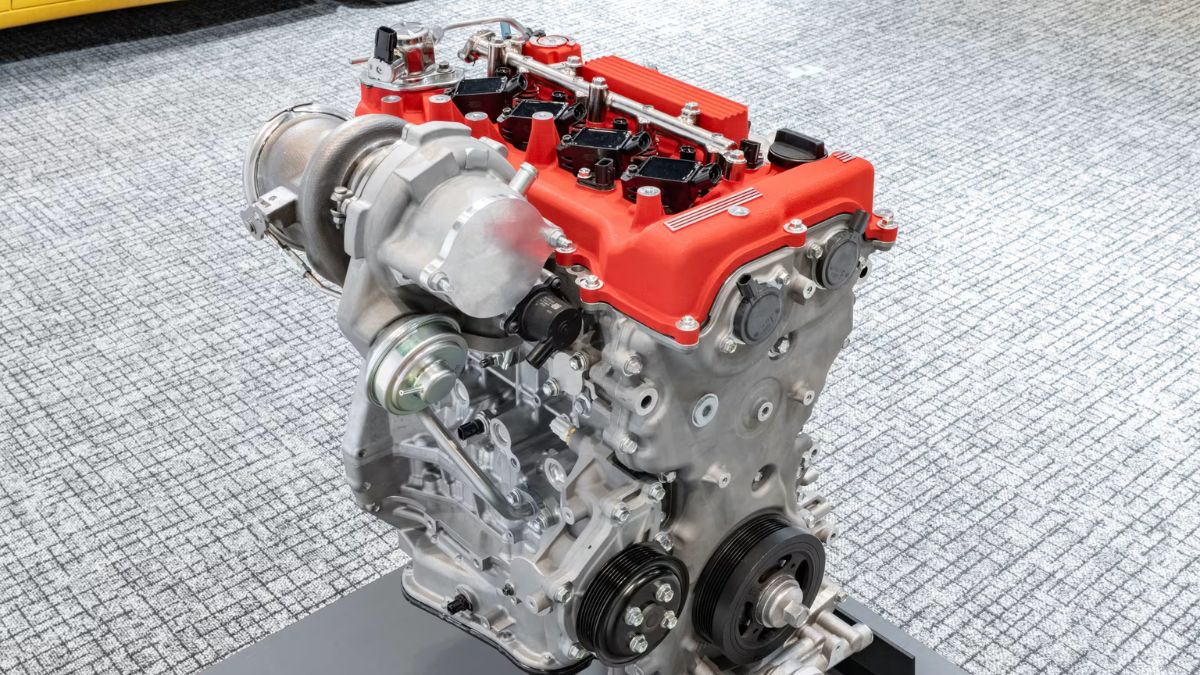
Both models are expected to use technology developed through the GR Yaris M Concept program, including mid-engine packaging and advanced drivetrain layouts.
Over time, the G20E is also expected to replace Toyota’s current 2.4-liter turbo engine. That engine is currently used in vehicles such as the Tacoma and Lexus NX 350.
The new 2.0-liter unit offers more power potential, better packaging, and improved efficiency, making it a logical successor across multiple platforms within Toyota.
How Mazda And Subaru Fit Into Toyota’s Engine Plan
The G20E engine is also part of a larger strategy involving Mazda and Subaru. The three companies have agreed to collaborate on next-generation internal combustion engines through their Multipathway partnership.
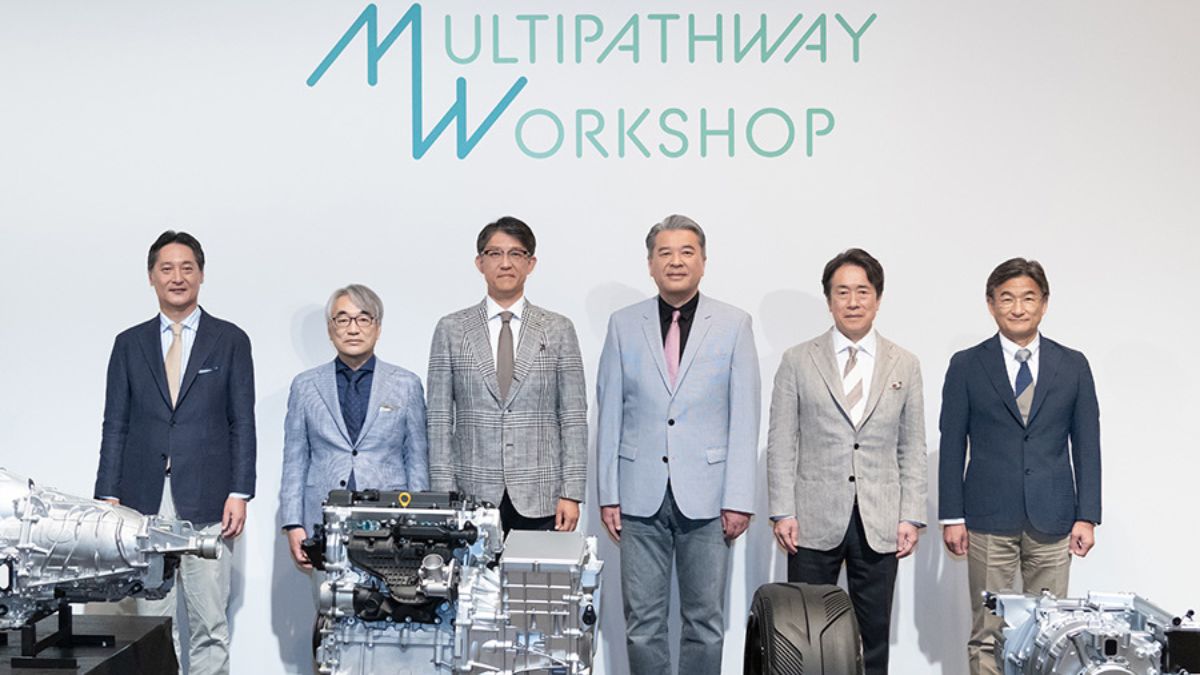
Their shared goal is to reduce carbon emissions while keeping performance and driving enjoyment alive.
Under this partnership, Toyota is developing new four-cylinder engines, including the 1.5-liter and 2.0-liter platforms.
Mazda is focusing on rotary-based electrified systems. Subaru is continuing work on its next-generation boxer engine with hybrid support.
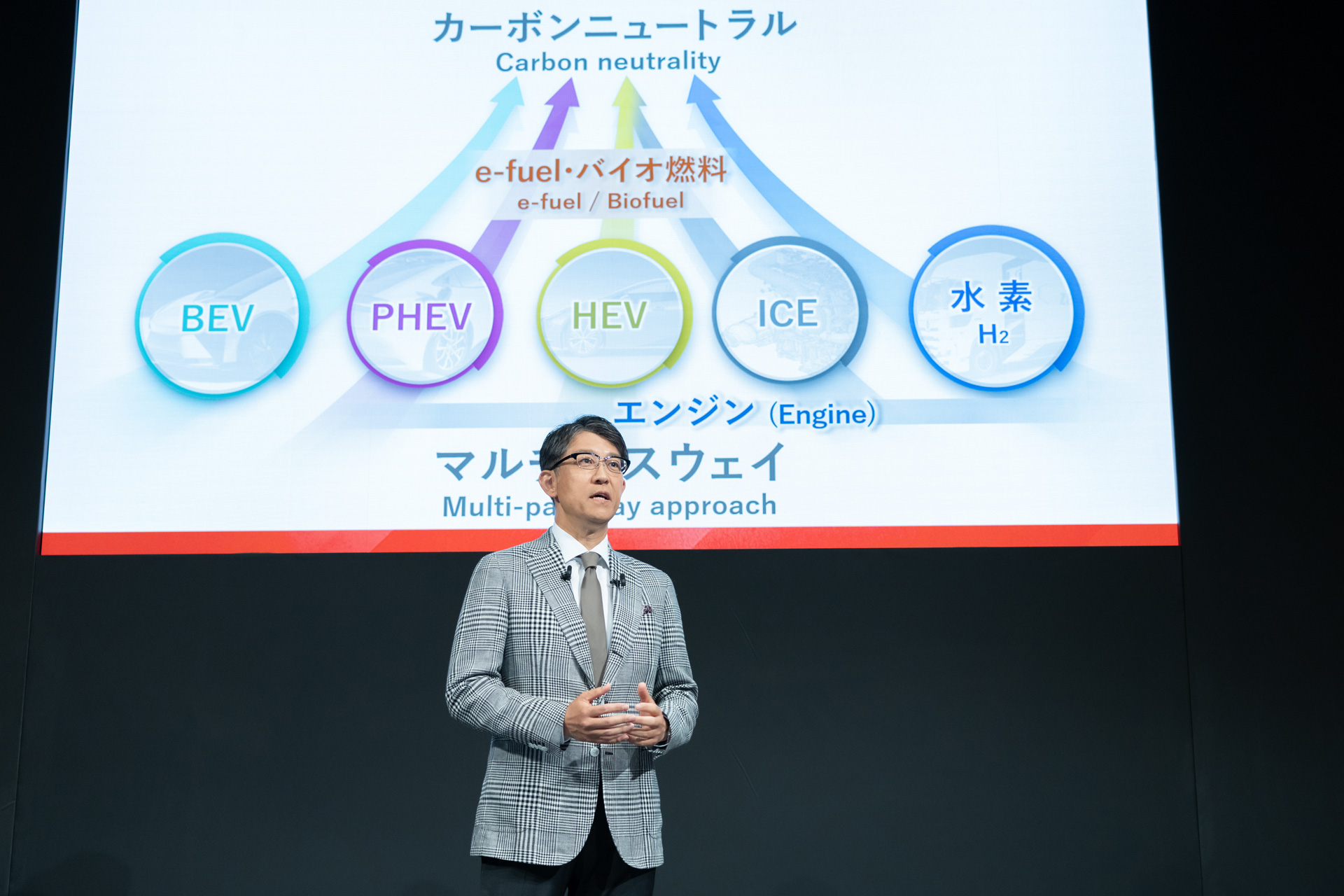
Each brand maintains its own identity while sharing research and technical knowledge. This collaboration also includes support for carbon-neutral fuels such as biofuels, synthetic fuels, and liquid hydrogen.
The companies are working to design engines that can operate efficiently with these alternatives in the future.
For Toyota, the G20E represents one of the most exciting results of this partnership so far. It shows that high-performance gasoline engines can still evolve in a world focused on electrification.

Submit a Tip or Correction
If you spotted an error in one of our stories or want to share additional details, we’d love to hear from you. RōdoHouse also welcomes brands, photographers, and creators interested in partnerships or collaborations.
Contact